
Sell Your Land in
Virginia for Cash

Thinking about selling your Virginia land? Tell us where it is and what you know about it. We’ll review the details, and you can decide whether an offer fits your plans.

Direct Land Review
Start With What You Know
Your Decision

Get Your Cash Offer

Start with the details you have. You don’t need every answer to reach out.

Tell Us About Your Land

Enter your name and either your email or phone number.

If you received a letter from us, enter the code printed on it

✓ Offer Request Received!

Thanks, we’ve received your land details. We’ll use the contact information you provided to follow up.

No obligation to sell

Start here: Find your county below, gather the land ID or tax bill you have, and tell us about your plans. You can reach out with the details you know.

How a Direct Land Review Works

You can ask questions before deciding what to do.

1

Tell Us About Your Land

Share the location, acres and when you’d like to sell. Mention any loan, unpaid taxes or shared owners.

2

Review the Details

We look at the information you send. If we need more to review the land, we’ll ask. You can ask how any proposed offer works.

3

Decide What Fits

Read the written price, costs, dates and conditions. If you choose to move ahead, confirm the next steps with the people handling the closing.

Find Your Local Virginia Land Guide

Choose the area where the land sits, even if you live somewhere else.

Use the Virginia Locality Where Your Land Sits

Virginia's real-estate taxes are handled locally by cities, counties and towns. Virginia Tax's property-tax page links to a map of city and county websites for rates, payment details and local contacts. Start with the land's location, even if you receive mail somewhere else.

Don't Use the Nearest City as a Guess

A nearby city name may help describe the area, but use the city or county shown on your land papers when choosing a local office. Ask the local tax office how to find the real-estate record for the property.

  1. Find the locality and land ID on your bill or deed.
  2. Use the state's map to reach the appropriate local website.
  3. Check the owner name, acres and location against your papers.
  4. For a payment or balance question, use the local tax contact listed there.

Keep land taxes separate from other tax bills. If the same owner has several properties, list each land ID rather than grouping everything under one address. Say which pieces you want to sell and which ones you want to keep.

Tell us if a record is old, the acreage is uncertain or you haven't found access papers. A clear note about what you know is more useful than a guess. Our document checklist helps you gather the basics for a land review.

Official sources reviewed October 2, 2026.
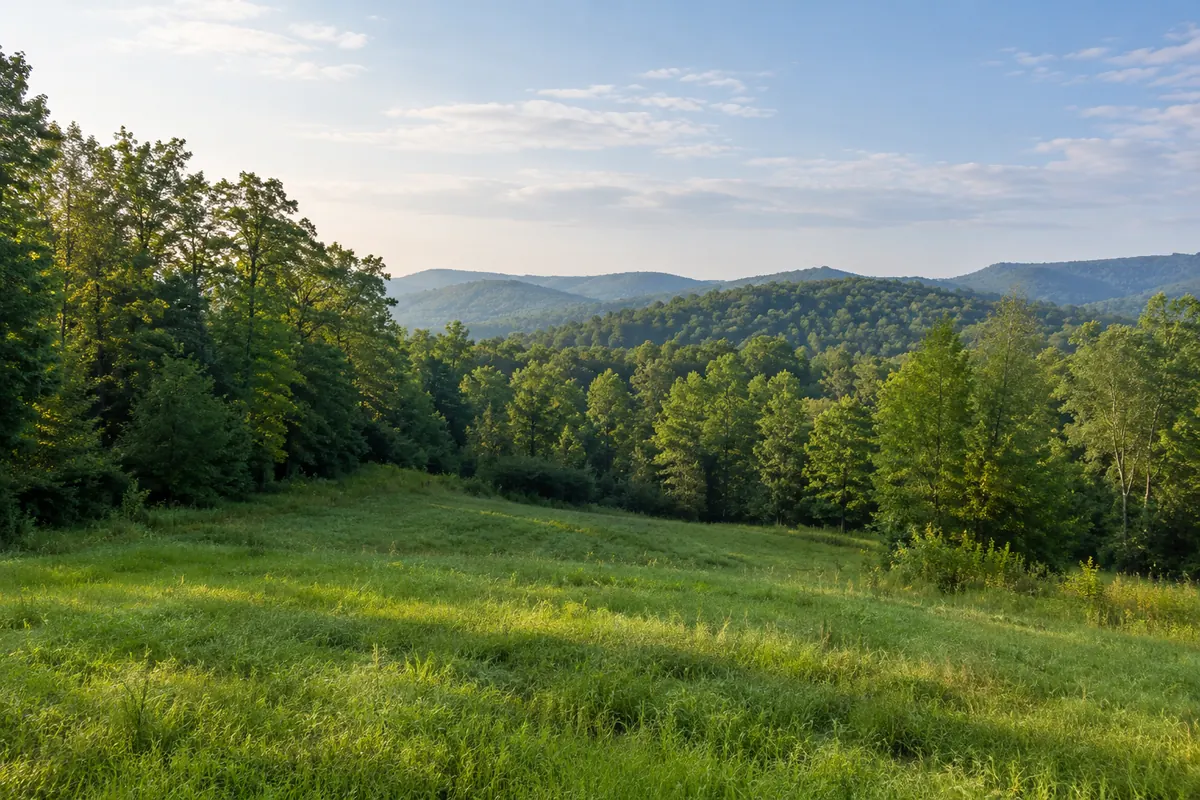
An open field beside leafy woods and rolling hills

Gather a Few Useful Details

You don’t need a perfect file to start. A clear note is more useful than a guess that sounds certain.

For example: “I own about five acres in this county. I have the tax bill, but I haven’t found a survey. I’d like to compare offers before deciding.”

Need help finding the land? Use our guide for land without a street address. For more on your options, read our Virginia seller guide.

Questions Before You Sell

Clear answers help you compare your choices.

Start with the county, land ID if you know it, and about how many acres you own. Add your contact details and tell us when you hope to sell. If a detail is missing, say so. You can send more information after the first conversation.
A street address isn’t always needed to begin. Share the county and the land ID from your tax bill. A map link or nearby road can help too. Tell us which details are confirmed and which are your best guess.
Read the price, costs, dates and conditions together. Ask what you would pay, what the buyer still needs to check and when either side could cancel. Compare the money you keep after costs, not just the headline price.
Tell us about the bill or loan when you reach out. Gather the latest tax notice and lender details. Ask the closing professional to check the amounts and explain how they would be handled. Don’t assume the sale will erase a debt or that an online balance is the final amount due.
Tell us who owns the land and what papers you have. If you’re handling inherited land or helping settle a loved one’s estate, share the papers you have. It’s okay if you’re unsure who needs to sign. The closing professional can explain what needs to be checked before a sale can go ahead.
The dates depend on the land, the records, any buyer checks and the agreed terms. If you have a deadline, tell us at the start. Ask for a proposed schedule and what could change it before you make plans around a closing date.
Yes, tell us which part you hope to sell and what you want to keep. A partial sale may need local review, a survey or lender approval. Bring up road access to the land you would keep before agreeing on a boundary.

Use our land offer calculator to compare known costs. Our sale agreement checklist helps you keep track of questions about the written terms.

Your Next Step

Start with the records you have. Tell us what you know about your Virginia land and what you hope to do. You can compare a proposed direct offer with your other choices before deciding.

Ready to Tell Us About Your Virginia Land?

Share the details you have. We’ll let you know what else is needed for a review.

Tell Us About Your Land →