
Start with your deed or tax statement, a few photos and a short note about your land. Then look at similar sales and decide how you want to find a buyer. You can sell with an agent, on your own or to a direct buyer. Here’s how to get ready and compare your options.
Tell us about your land. There’s no obligation to accept an offer.
Start with what you know. These steps will help you get ready and choose the way to sell that fits you.
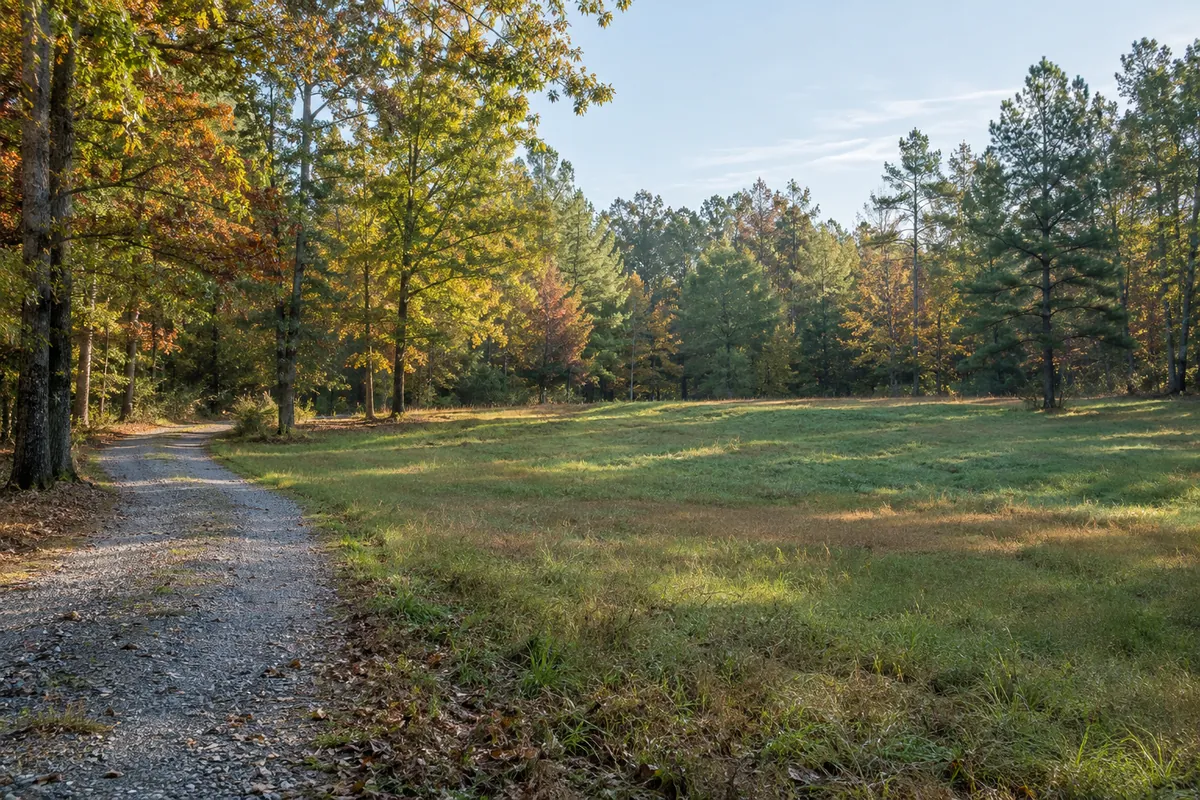
If your land has no street address, start with the tax map or parcel number on your tax statement. A parcel number is the county’s number for a piece of land. Write down the acres and the closest road, too.
The county’s property map guide explains how to search by address, street name, tax map or parcel number. Use the map to help show a buyer where the land is. Match it to your papers before saving a map pin. A mailing address is not a substitute for the land description.
Your deed is the paper that describes the land and names its owners. If you need a copy, call the county records room at 540-507-7609. Give the owner’s name and any old deed book, page or recording number you have. Online deed access requires a paid subscription. Ask about getting the copy you need before paying for ongoing access.
Keep a survey or written road agreement if you have one. A county map is useful for finding land, but it does not settle a boundary or road-right question. If something is unclear, flag it for the closing company rather than guessing.
Buyers need clear facts more than a fancy sales pitch. Put these details on one page:
Take recent photos from the road and inside the land if you can safely visit. Show the entrance and different parts of the property. Get permission before crossing a neighbor’s land. If you live far away, ask an agent or someone you trust to help with photos and visits.
If a likely buyer wants a home site, gather the papers that help answer that question. You don’t need to design their house before selling.
Look for an old survey, soil report, septic permit, well record or written zoning answer. Zoning means the local rules for how land can be used. The county map shows zoning and areas with added rules. The county says to call its Zoning Office at 540-507-7222 for an official answer before making a land-use decision. Have the parcel number ready. Ask what a buyer should check for the use they have in mind.
The map also has layers for flood areas, wetlands, streams and other features. Use them to spot questions to ask, not to promise that a building will be approved. Land that looks dry on one visit may still have wet areas or other limits.
For well and septic papers, the Rappahannock Area Health District has a records-request link. Its Spotsylvania environmental health number is 540-507-7386. Ask what records it has for your land and what an old approval covers. A septic system treats household wastewater on the land. The office can also help you find a soil evaluator if a buyer needs a new site review.
Keep the actual report or permit, not just a note that the land “passed a perc test.” A perc test checks how water moves through soil, but a buyer needs to know what the full report says. If you have no test or permit, say that plainly. You can discuss a sale while those questions are still open.
Ask a local agent who sells land for a few recent completed sales. Match the likely use, size, location, road access and services. A wooded tract with no checked home site may attract different buyers from a lot with clear building and septic records.
Ask why each sale is a good match. Was it one piece of land or several? Did the price include a house? Is the road access similar? An online asking price tells you what else is offered, but it does not prove what a buyer paid.
The county assessment search can help you check the property record. It also explains how to request a property record card and where to find tax balances. A tax value is useful background, not a promise of your selling price.
A simple comparison: Two five-acre properties may differ if one has easy road access and useful home-site papers, while the other has an uncertain entrance and no septic records. Don’t assume they deserve the same price. List the differences and ask how buyers would weigh them.
If good matches are scarce, keep that uncertainty in mind. A land appraiser can help when you need a more detailed value opinion. One county-wide price per acre cannot describe every lot or tract.
Check the current property tax balance and any loan on the land. Ask the lender for the amount needed to pay off the loan at closing; an old statement may not show the final amount.
If your land is in a land-use tax program, ask the county tax office and closing company whether the sale or planned change in use needs a closer look. The county’s forms page has a roll-back tax estimate request. Roll-back taxes are possible extra taxes tied to losing a land-use tax benefit. Don’t assume they apply to every sale. Get an answer for your land and the planned use.
Ask who pays the closing fees, recording costs, taxes and any other agreed charges. Put the answer in the written agreement. If you have a lease, share it and ask how a sale affects the tenant and any payments.
You don’t have to clear the land, install a driveway or order every possible report before talking to buyers. First ask which work would help and whether its cost makes sense. Good papers and honest photos can be a better first step than spending money on changes.
Think about the time and work you want to put into the sale. A higher asking price may take longer or may not lead to a buyer. A direct offer may be lower, but its terms could fit your needs. Compare the full deal.
If you’d like an offer from Reelvest to compare, tell us about your land. Start with what you know. You choose whether our offer or another selling path works better for you. Our Virginia land seller guide has more preparation help.
Write down the price, costs you pay, loan or tax payoff, and expected money left for you. Then compare the deposit, closing date and buyer’s conditions. A condition is something that must happen before the buyer has to finish the purchase, such as a satisfactory land review.
Made-up example: A $60,000 offer with $4,000 of seller costs leaves $56,000 before any debt or tax payoff. A $58,000 offer with $1,000 of seller costs leaves $57,000 before those payoffs. These numbers show why price alone can mislead; they are not a value estimate for local land. Use your real offer terms.
Ask when the buyer’s review period ends and what happens to the deposit if they cancel. Our offer comparison worksheet can help you put the terms side by side.
Once you agree, ask the closing company for a clear list of what it needs. Share the deed, survey and any lease or land reports you have. For shared ownership, ask who needs to sign. If you’re helping settle a loved one’s estate, bring the papers you have so it can help work out the next step.
Review the final payment amount and costs before signing. Check the land description and keep copies of your agreement and closing papers. Ask how and when you’ll receive payment.
You don’t need every answer to start. A clear land description and written terms will help you move forward with less guesswork.
Start with the location, parcel number or tax statement, acres if known and photos. Add any deed, survey, lease or septic papers you have. You can ask for help before the folder is complete.
Call the county records room at 540-507-7609 with the owner’s name and any recording details you have. Ask about getting a copy before paying for an online subscription.
Use your tax map or parcel number to find it on the county map. Match the record to your papers, save a map pin and describe the entrance. A map does not settle an uncertain boundary or road right.
The county GIS guide lists the Zoning Office at 540-507-7222 for an official answer. Have the parcel number ready and explain the use a buyer is considering.
Use the Rappahannock Area Health District’s records-request link or call Spotsylvania environmental health at 540-507-7386. Ask what the office has for your land and what an old approval covers.
Not automatically. Ask what your likely buyers need and compare the cost with the possible benefit. Begin with useful papers, recent photos and a clear description.
Don’t assume that. If your land has a land-use tax benefit, ask the county tax office and closing company about your land and the planned use. The county has a request form for an estimate.
Yes. Compare the money you expect to keep, costs, buyer conditions, timing and work involved. You choose the option that fits your needs.
Local source links reviewed October 5, 2026.