
You can start selling with the location, the papers you have and a few photos. Then research a price, choose how to find a buyer and compare written offers. You don’t need every answer on day one. Use these steps to get ready and avoid surprises before signing.
Tell us about your land. There’s no obligation to accept an offer.
Start with what you know. These steps will help you get ready and choose the way to sell that fits you.
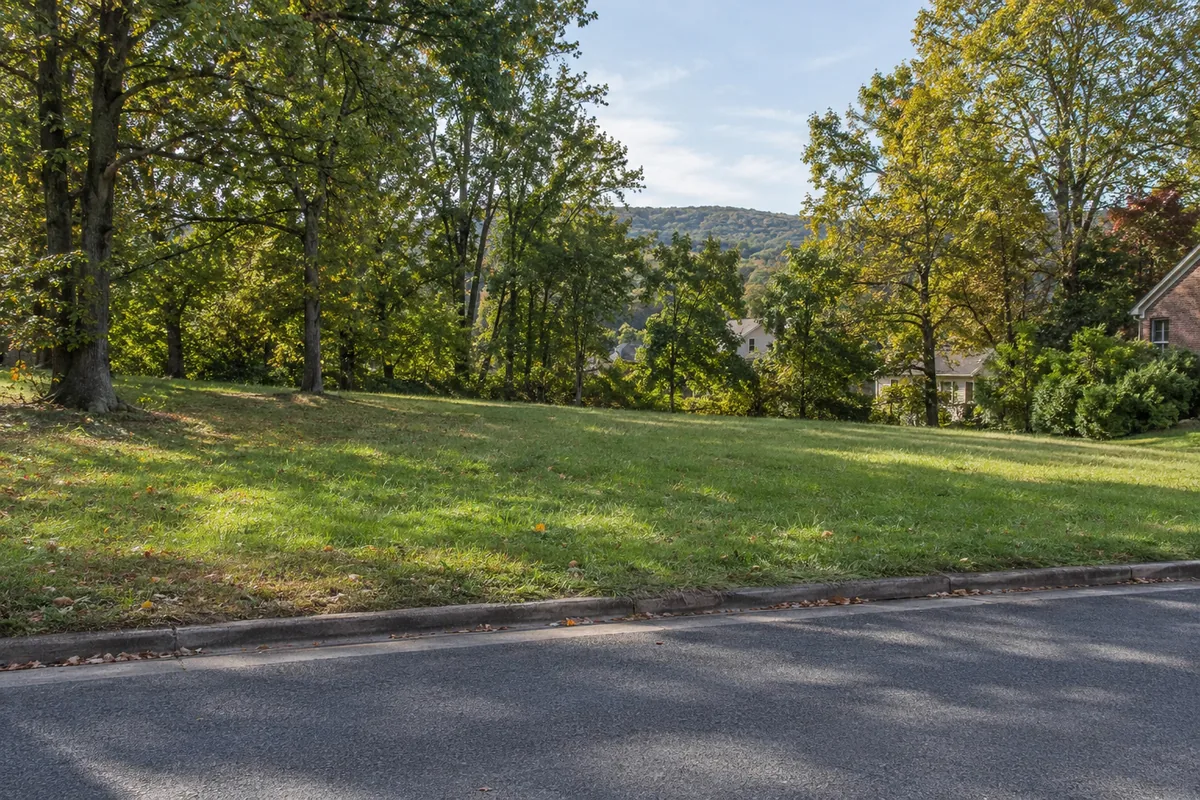
List the land and any buildings you plan to include. Add separate lots, shared owners and any lease or loan you know about. Write down the closest road and how you reach the land. If a detail is uncertain, say so.
Gather a recent tax bill, deed, survey and photos if you have them. A deed is the paper used to transfer ownership. A survey shows land lines. You can talk with an agent or buyer before you find every paper.
Think about your own needs too. Do you want time to compare buyers? Is there a date you hope to finish by? Share the goal, then ask what could affect it.
For city property, start with the City of Fairfax assessment office. Its database guide lists property IDs, land size and sale history. Match the location to your papers. Call 703-385-7840 if the city record needs help.
For a deed copy, use the Fairfax Circuit Court copy instructions. The Land Records Division handles property transactions for both Fairfax County and the City of Fairfax.
The copy instructions ask for a document number or deed book and page reference. If you don’t have it, ask how to find the reference. Check the current copy instructions and fee before ordering. A missing copy is something you can work on; it does not stop the first conversation about selling.
Ask a local land agent for similar properties that have sold. Check the lot size, setting, road entrance, known services and buildings included. A nearby house sale may not be a good match for empty land.
Ask why each example fits and what makes yours different. A tax assessment and a seller’s asking price are useful background, but neither is a buyer’s offer. For more help, read our Fairfax City land-value guide.
If a buyer asks about building or another use, share what you know and any papers you have. You do not have to plan their project before selling. Keep unknowns clear rather than making promises.
Reelvest is one direct buyer you can contact. If you’d like an offer to compare, tell us about your land. You choose whether it fits you.
Ask for the price and your costs in writing. In a made-up example, a $95,000 offer minus $7,000 in seller costs leaves $88,000. A $92,000 offer minus $2,000 leaves $90,000. Both are before loans, taxes and other debts. Use actual written figures for your property.
Also check the deposit, buyer’s checks, any right to cancel and the target closing date. Ask what happens if a deadline is missed. If you don’t understand a term, get help before signing.
Our offer comparison worksheet helps put the money and terms side by side. The biggest offer amount isn’t always the best result for your needs.
Ask who will handle closing and which steps remain unfinished. The closing team checks ownership records and helps prepare the sale papers. A title search checks ownership and recorded claims. Ask about any loan, unpaid taxes or papers they still need.
If you’re helping settle a loved one’s estate, gather what you have and ask the closing team or attorney who needs to sign. Shared ownership can raise the same question. You don’t have to work it out alone.
Before closing, review a written statement of the price, costs and payments. Make sure it covers the right land. Ask how payment will reach you and keep copies of the signed papers.
See our document checklist and Virginia land seller guide for more help.
Yes. Start with the location, tax bill or other papers you have. List what is missing and ask an agent or buyer which details they need next.
The Fairfax Circuit Court Land Records Division handles records for the city as well as the county. Its copy page explains the document reference needed and how to request a copy.
It does not have to be. Research similar completed land sales and ask an agent to explain a suitable price range. Check what each sale included.
You can ask about your choices while gathering estate papers. Ask the closing team or attorney who needs to sign and what documents are required.
No. You can compare listing with an agent, selling yourself and a direct offer. You decide whether an offer works for you.
It depends on the agreement, buyer’s checks and unfinished ownership or record questions. Ask for a target date and a list of steps that remain.
Local source links reviewed October 6, 2026.