
For land in the City of Fairfax, start with the city’s property record and completed sales of similar land. Check whether each price includes a house, other buildings or more than one parcel. A nearby house price or a tax assessment does not by itself tell you what a buyer will pay for empty ground.
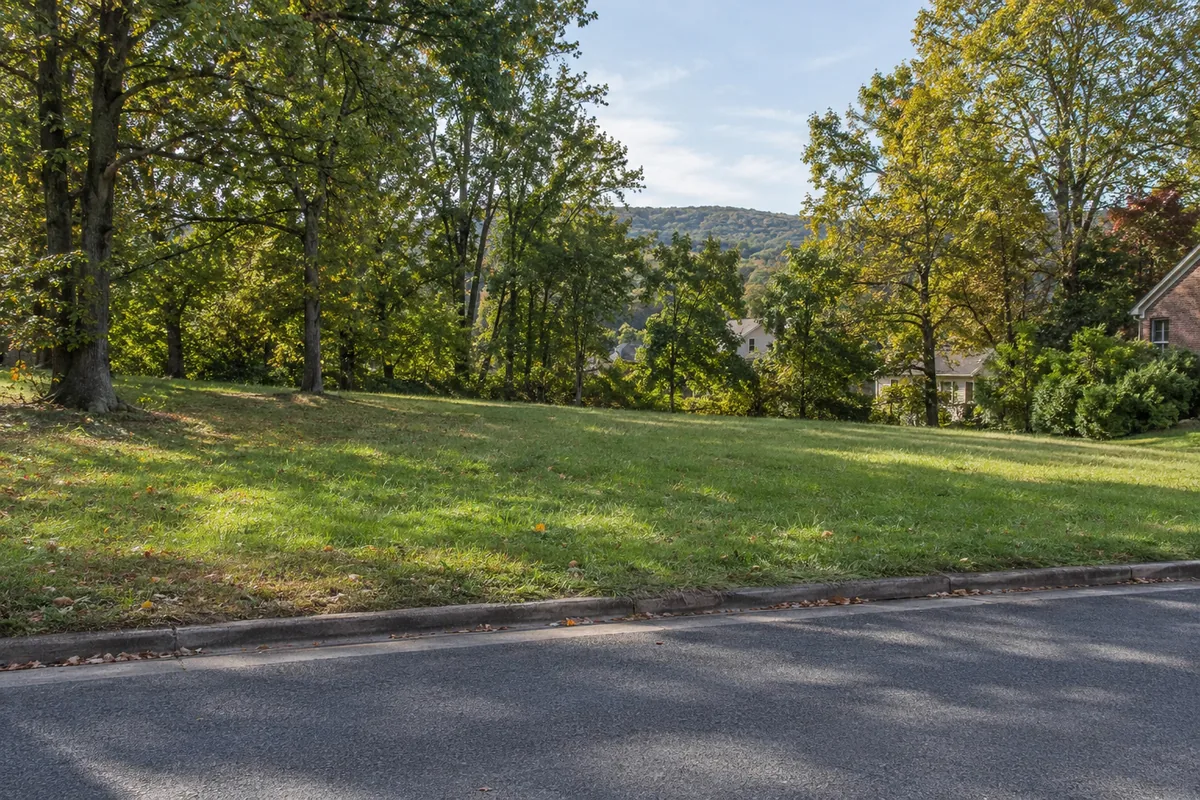
Start with the City of Fairfax property record
The city’s assessment database guide says its records include tax map and account numbers, land size, sale history and current and past assessments. Save the record for the land you own. Match its location and ID number to your tax bill or deed.
A deed is the paper used to transfer ownership. If your papers point to a different record, ask for help before comparing prices. Start through the City Real Estate Assessments Office for city property. Its phone number is 703-385-7840.
Keep the record date with each number you save. The city values property for taxes each year. That is useful background, but it is not a current offer from a buyer. Check whether the record includes buildings as well as the land you plan to sell.
Separate a land sale from a house sale
Ask a local land agent for completed sales that help price your land. A price in a listing is what someone hoped to get. A recorded ownership change may also need an explanation before it belongs in your comparison.
For each sale, write down:
- The location and sale date.
- The parcel or parcels included. A parcel is one piece of land identified in local records.
- The full price and total acres.
- Any house, shop or other items included.
- The source that confirms the sale.
If a house was part of the deal, do not divide its full price by the acres and call the result a land price. Ask the agent whether it is a useful comparison at all. The same applies when several lots sold together or the records show only a share of ownership changing hands.
For a deed copy, the Fairfax Circuit Court Land Records Division handles transactions for both the county and the city. Its copy instructions explain which document reference you need. Save that reference with your sale notes rather than relying on an address alone.
Ask why a buyer would compare the two properties
A good sale match should help explain your likely buyers. Compare the lot size, road entrance, setting, shape and known services. A narrow lot tucked behind other land may not compete with a wide lot on a street. Empty land and a property with a ready-to-use house answer different needs.
If someone says your land is worth more because of what could be built, ask what supports that idea. Share the papers you have. Ask which questions still need checking. A nearby home or service line does not prove the same use is available on your land.
You don’t have to turn the property into a building project before asking about selling. Describe what you know and keep unknowns clear. A buyer can explain what they need to check and how that affects their offer.
Ask the agent for a few strong examples and the reason each fits. If good vacant-land sales are scarce, ask why an older sale or a wider search area is helpful. A price range with clear reasons is more useful than one confident number without support.
Use all the land included in the price
Here’s made-up math: two lots of 0.4 and 0.6 acres sell together for $150,000. That is one acre in all, or $150,000 per acre. Dividing the full price by just the 0.4-acre lot would give a misleading result.
Those are example numbers, not Fairfax City sales. Price per acre can organize suitable comparisons, but it cannot make two very different lots equal. Keep the full price beside the calculation, and note everything that was included.
Compare the price, costs and buyer’s terms
You can list with an agent, find a buyer yourself or compare a direct offer. Ask an agent about the suggested price and selling costs. If you sell yourself, decide who will handle ads, buyer questions and closing papers. Ask a direct buyer what their written price includes.
Use the money you keep to compare offers. In a made-up example, $140,000 with $10,000 in seller costs leaves $130,000. An offer of $135,000 with $3,000 in costs leaves $132,000. Both are before loans, taxes and other debts. Enter your own figures in our offer comparison worksheet.
Also compare the deposit, buyer’s checks, any right to cancel and the target closing date. If you’re helping settle a loved one’s estate, ask the closing team or attorney who needs to sign. The sale price doesn’t settle ownership questions.
Bring a short list to your next conversation
Have the city property record, the parcels you want to include and a few photos ready. Add the completed sales you can explain. Ask an agent or buyer which differences matter and what remains unknown.
For preparation and closing steps, use our Fairfax City seller guide. If you want a direct offer to compare, tell Reelvest about your land. Start with what you know and choose the selling route that fits you.
Questions About Fairfax City Land Value
Where should I start researching Fairfax City land value?
Start with the City of Fairfax assessment database and match its property ID and location to your papers. Then ask a local land agent for similar completed land sales and the reasons they fit.
Can I use a nearby house sale to price empty land?
Not without checking what its price included. A house and other buildings can make it a poor match. Ask an agent to explain whether the sale helps research your vacant land’s price.
Does the city tax assessment guarantee a sale price?
No. It is a value for tax purposes, not an offer from a buyer. Compare suitable completed sales and the features of your own land.
What if a sale covers more than one lot?
List every included parcel and add the acres. Use the full acres when calculating price per acre. Check whether buildings or other items were included too.
Do I have to sell directly to Reelvest?
No. Compare an agent listing, selling yourself and a direct offer. Ask about the money you keep, buyer’s checks and closing terms before deciding.
Local source links reviewed October 6, 2026.