
To sell your Northumberland County land, start with the parcel details and papers you already have. Check the questions a buyer is likely to ask, choose how to find a buyer, and compare the price and terms. You can begin before every missing detail is sorted out.
Tell us about your land. There’s no obligation to accept an offer.
Start with what you know. These steps will help you get ready and choose the way to sell that fits you.
A recent tax bill is a useful starting point. Look for the owner name, land ID number and acres. The land ID number helps you find the right piece of land when an address is missing or unclear.
Gather these items if you have them:
You don’t need to order a new survey or collect every permit before asking for help. Use our land seller document checklist to see what you have. Ask the buyer, agent or closing office what is missing for this sale.
Northumberland’s Commissioner of Revenue maintains real estate ownership information. The county lists 804-580-7612 for real estate questions. Call if you need help matching your tax record to the land you want to sell.
The county’s Tax Maps page links to a map viewer and individual map sheets. Use it to help locate the parcel. Compare the land ID, acres and owner with your papers. A tax map helps you get oriented; it doesn’t replace a measured survey or settle a boundary question.
If the land has no street address, use the closest road and land ID instead of inventing a house number. Keep a note if a map or tax record differs from your deed. Ask about the difference before putting the acres in a listing.
A deed is the paper that records a transfer of land. A plat is a drawing of the land, often showing lot lines. The Northumberland Circuit Court Clerk’s copy-request page explains how to get these records.
For land records, it asks for the deed book and page or the document number. For a plat, it asks for the plat book or cabinet and slide number. If those labels are new to you, don’t worry. They are simply ways the office finds a saved document.
Call 804-580-3700 if you need help finding the right record. The clerk says staff may be able to help by phone. Copies can also be made at the office at 220 Judicial Place, Heathsville. Ask which copy you need and the current cost before ordering.
A deed copy is useful, but it doesn’t answer every ownership or debt question. The closing attorney or title company checks what needs to be resolved for the sale.
If someone hopes to build a home, give them the information you have. Don’t call the land ready to build just because a neighbor has a house or an old map shows a lot.
Contact Northumberland Building and Zoning at 804-580-8910. The office answers zoning questions and has building and site records. Zoning means the local rules for how land can be used.
Have your land ID ready and ask:
You don’t have to design a house for a buyer. The aim is to share good answers and make clear which questions still need checking.
A septic system treats wastewater on the property when a home isn’t connected to public sewer. If a buyer needs one, an old approval or soil report can be useful. It’s worth checking exactly what that paper is.
Three Rivers Health District explains that a septic construction permit and a certification letter are different. A construction permit allows work in a stated location. A certification letter identifies an area for a system but doesn’t allow construction.
Don’t describe every old paper as a current permit. Ask the health office whether it still applies and what a new owner would need. The district recommends applying for a construction permit when you’re ready to build, so ask before paying for one just to market the land.
The Northumberland Environmental Health office lists 804-580-8827 and 6373 Northumberland Highway, Suite B, Heathsville. Have the parcel details and any septic or well papers ready when you call.
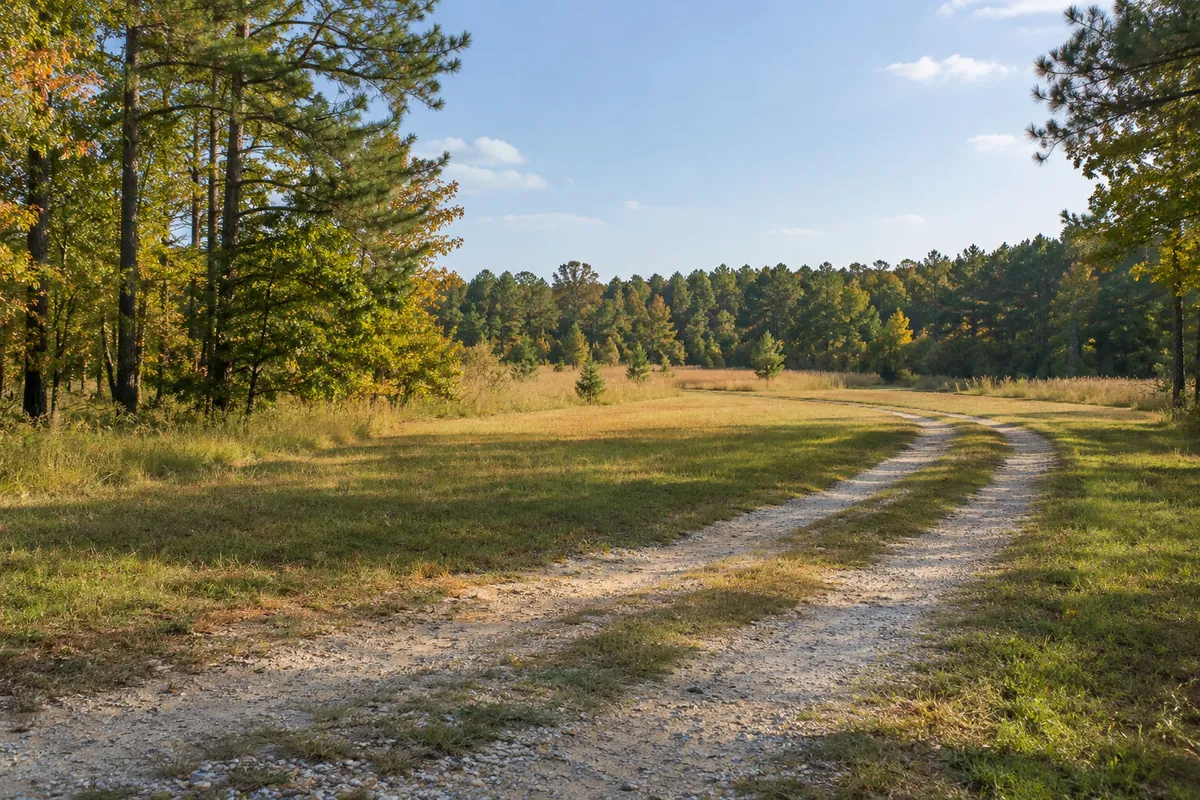
Take clear photos of the entrance, open ground, woods and any structures. Show how you reach the land safely. If you’re using older photos, say when they were taken.
A short description works well: “Wooded land with a small clearing. Access is by a shared gravel lane. I have an older survey and a septic letter.” That tells a buyer more than a promise of unlimited uses.
Share any written right to cross another owner’s land. A visible track doesn’t prove permission to use it. If a community has dues, a shared boat ramp or other rules, gather those papers too.
For land near water, separate a view from a right to reach the shore or use a dock. Tell buyers what you know and provide the papers you have. Don’t promise rights just because the water is nearby.
Look for recent completed sales of similar land. Compare size, access, allowed use and any work already done. A lot with a home-site answer and utilities may be a poor match for land where those details are unknown.
An asking price tells you what someone hopes to get. A tax value is used for taxes. Neither replaces good sales comparisons. A local land agent can help check what actually sold and what the price included.
Reelvest is one direct-buyer option. If you’d like an offer to compare, tell us about your land. You decide whether an offer works for you.
Ask for the offer in writing. Check the parcel, price and target closing date. Who pays closing costs? Will a loan, unpaid taxes or an agent’s fee come out of your payment?
Also check how long the buyer has to review the land, what could let them cancel and who holds any deposit. Our land sale agreement guide explains the main parts.
Here’s a made-up example: a $50,000 price with $4,000 in seller costs leaves $46,000 before debts. A $48,000 price with $1,000 in seller costs leaves $47,000. The bigger headline price does not always leave you with more money.
Use our offer comparison worksheet. Ask for an explanation of anything that could change your payment or the sale date.
The closing attorney or title company checks the ownership papers and recorded claims. Ask for a list of what they need and what is still open. Missing papers or signatures can affect the timing.
If you’re helping settle a loved one’s estate, bring the papers you already have. The closing office can explain who needs to sign and what else is needed. If you share ownership, involve the other owners early. Keep private family and account details out of a public listing.
Before signing the final papers, check the land description, price, costs and money you’ll receive. Confirm how payment will reach you through a trusted contact. Ask when the funds will be available.
The closing office arranges the transfer papers, recording and payment under the agreement. Keep your signed agreement and closing papers afterward.
Yes. Start with the land ID, location and papers you have. Ask what is needed for this sale before ordering new documents or work.
The Circuit Court Clerk’s copy-request page explains the process. Call 804-580-3700 with the deed book and page or document number if known. Staff may be able to help find the record.
Not by itself. Three Rivers Health District distinguishes certification letters from construction permits. Ask Northumberland Environmental Health at 804-580-8827 what your paper allows and what a new owner would need.
Not always. Buyers may want the woods, and clearing can cost more than it adds to the price. Get advice or offers first. Clear photos and useful records are a good starting point.
Bring the deed and any estate papers you have to the closing office. Ask who needs to sign and what is missing. You can begin asking about a sale while those details are being sorted out.
No. You can list with an agent, sell yourself or compare direct buyers. Any Reelvest offer is an option you can consider before deciding.
Local source links reviewed October 6, 2026.