
Begin with the land’s location, the papers you already have and your reason for selling. Check which parcels you’ll include, research a price and choose how to find a buyer. Then compare written offers and work through closing. Missing papers can be found along the way.
Tell us about your land. There’s no obligation to accept an offer.
Start with what you know. These steps will help you get ready and choose the way to sell that fits you.
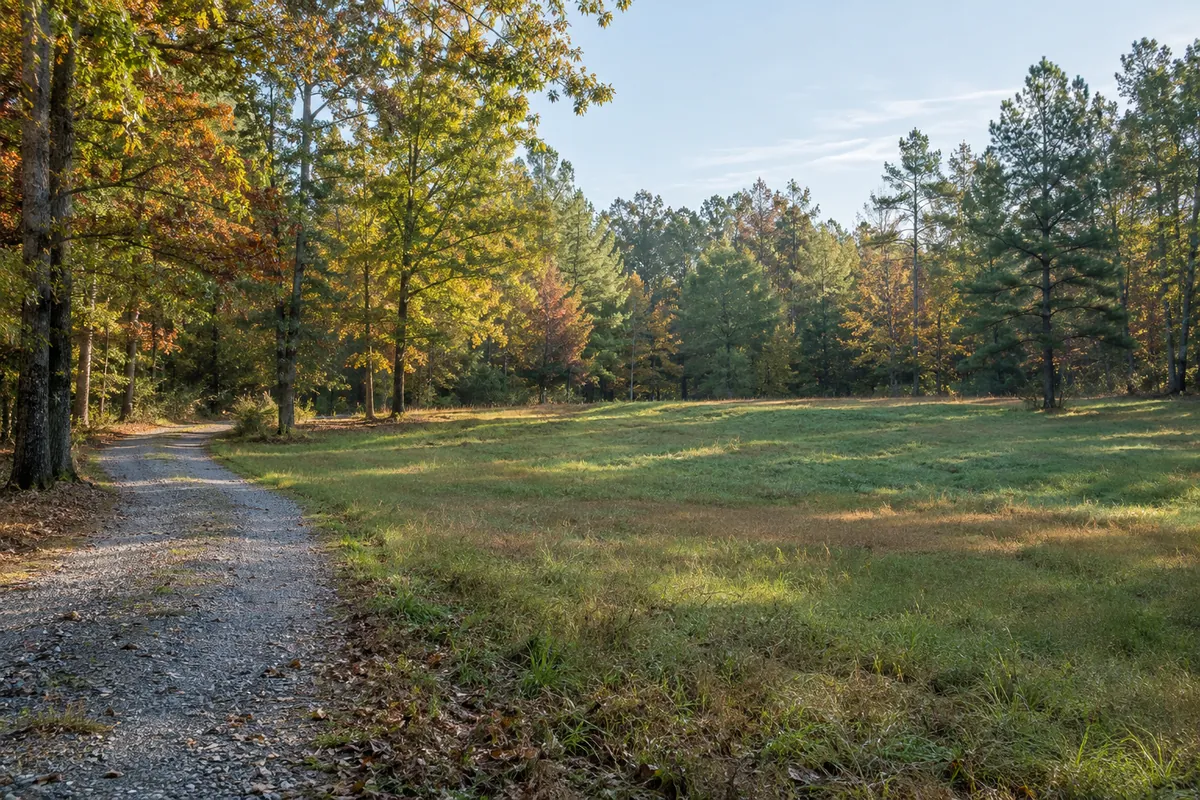
Write down each parcel you want to sell. A parcel is one piece of land identified in county records. List the acres if known, any buildings included and how you reach it from a road. Add other owners, loans, leases or access papers you know about.
Gather your latest tax bill, deed, survey and photos. A deed is the paper used to transfer ownership. A survey shows land lines. If you don’t have every item, note what’s missing. You can ask about selling with the information you have.
Take a few clear photos of the entrance and land if you can do so safely. Share what is there without promising a future building use or service connection you haven’t checked.
The county uses a property ID called a GPIN. The county map FAQ explains that a boundary change creates a new number. If your old paper shows a different ID, ask for help connecting it to the current land.
Start with the GPIN/Account Search. The Real Estate Assessments Office lists 703-792-6780 for assessment questions. Keep the number, location and acres together when talking with an agent or buyer.
For a missing deed or other recorded land paper, start with the Circuit Court Clerk’s records page. It links to records and copy help. Ask what reference and type of copy you need. Check current instructions and costs before ordering.
Ask a local land agent for a few similar properties that have sold. Compare size, setting, road entrance, open ground, woods and known services. Separate land-only sales from prices that include a house or shop.
If a sale covered several parcels, check the full acres included. A parcel split after the sale can make old price-per-acre math misleading. Our Prince William County land-value guide explains how to check those comparisons.
Ask for a price range and the reasons behind it. Tell the agent which details are uncertain. A county assessment or listing price is not the same as a current offer from a buyer.
With a land agent, ask how the property will be advertised, what the fees are and who handles buyer questions. Ask why the agent’s experience fits your kind of land.
If you sell yourself, plan how to handle ads, photos, calls and showings. Ask a closing professional about sale papers you do not understand. Think about the time that work will take.
A direct offer is another option. Ask what the buyer will pay, which costs you cover and what checks come before closing. If you want an offer from Reelvest to compare, tell us about your land. You are free to weigh the other choices.
Get the price and costs in writing. Here’s made-up math: $85,000 minus $5,000 in seller costs leaves $80,000. An $83,000 offer minus $1,500 leaves $81,500. Both amounts are before any loans, taxes or other debts. These figures are not local fees or an estimate for your land.
Use the offer comparison worksheet with your actual numbers. Then read the deposit, buyer’s checks, any right to cancel and the proposed closing date.
Ask what happens if a deadline is missed or a check raises a problem. Get help with an unclear term before signing. A higher price with uncertain terms may not meet your needs.
The closing team checks records and helps prepare the sale papers. Ask who is handling that work and which questions remain open. Share any known loan, unpaid tax, shared ownership or lease.
If you’re handling inherited land or helping settle a loved one’s estate, gather the papers you have. Ask the closing team or attorney which signatures and documents are needed. Don’t assume one family member can sign for everyone.
Before closing, read a statement showing the price, costs and payments. Make sure the papers cover every parcel you agreed to sell. Ask how you’ll receive payment and keep copies for your records.
Save your parcel list and a few photos. Add the tax bill and any deed or survey. Write down the questions you want an agent or buyer to answer. That is enough to begin a useful conversation.
Our document checklist helps track missing papers. For a wider overview, read the Virginia land seller guide. If you’d like a direct offer to compare, tell Reelvest what you know.
Start with the location, parcel ID, a tax bill, photos and any deed or survey you have. List other owners and known access, loan or rental questions. You can start without every answer.
The county says a boundary change creates a new parcel ID. Ask for help connecting the old and current records before assuming the paper covers all the same land.
Use the Prince William Circuit Court Clerk’s records page and its copy-help links. Have the owner name and any document reference ready, and check current instructions.
Compare likely price, costs, the work involved and the buyer’s terms. An agent listing, selling yourself and a direct offer are choices you can weigh against your needs.
List the other owners and gather the papers you have. Ask the closing team or attorney who needs to sign. The offer alone does not settle that question.
You can tell us about the land for review. If we make an offer, ask questions and compare it with other selling routes. You decide whether it works for you.
Local source links reviewed October 6, 2026.