
To sell your land, start by finding the right parcel, gathering the papers you have and choosing how you want to find a buyer. Then compare prices and terms before you sign. You can use an agent, sell it yourself or ask a direct buyer for an offer.
Tell us about your land. There’s no obligation to accept an offer.
Start with what you know. These steps will help you get ready and choose the way to sell that fits you.
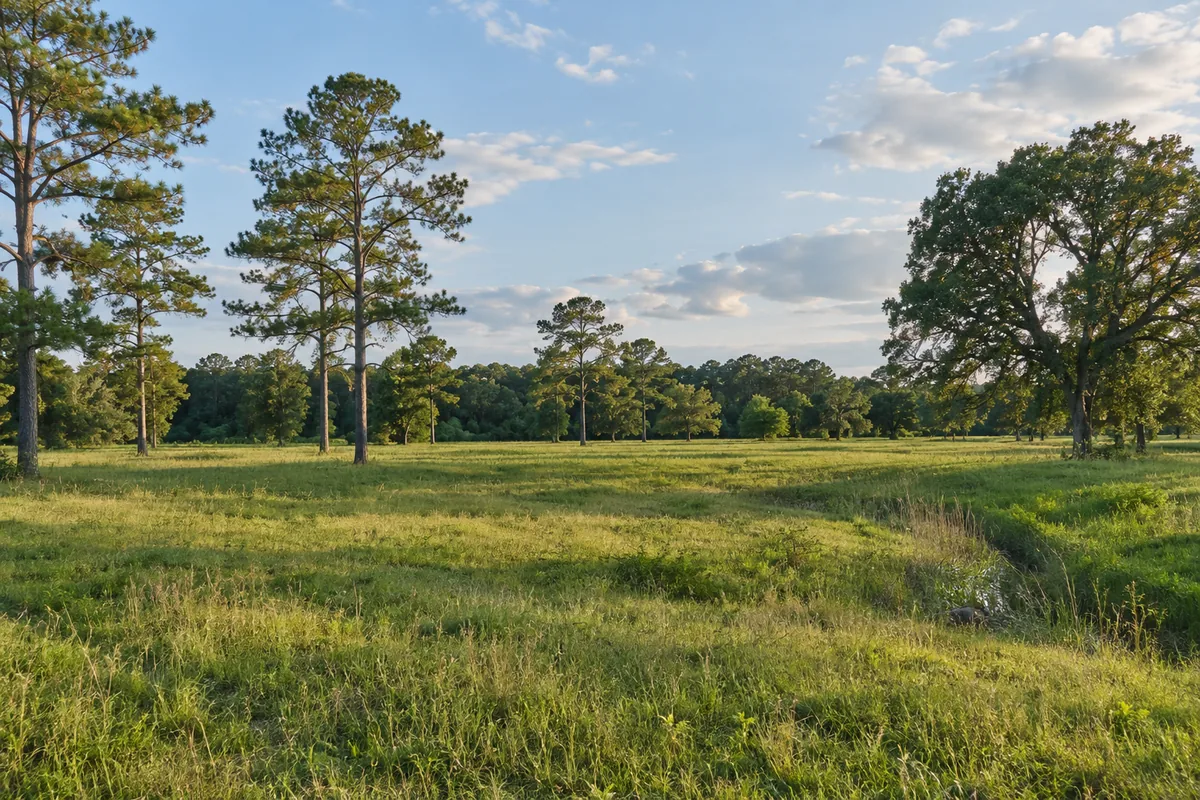
Start with a tax bill, deed or old survey. Look for the parcel number—the city’s ID for your piece of land. If the land has no street address, use that number and the nearest road. You don’t need to make up an address.
The city’s Property Information page links to Property QuickSearch, the full real estate search and the map portal. QuickSearch can help you find a parcel number and assessment. Save the record and check that it matches the land you mean to sell.
If you own several adjoining parcels, list each one. Decide whether you want to sell them together. If you notice a wrong property description, the Real Estate Assessor’s Office is the place to ask about it.
Put these items in one folder. It’s fine if you don’t have every item yet:
A deed shows the recorded ownership and describes the land. A survey or lot map can help show the boundaries. Need a copy? The Circuit Court Clerk’s records page explains the options. Online land-record research requires a paid subscription. Records are also available at the Clerk’s Office at 307 Albemarle Drive, Suite 300A. Ask about getting a copy of your deed rather than buying a subscription just for one document.
If the land came to you after a family loss, take the process at a pace that works for you. Bring any estate papers you have to the closing team. They can help identify the records and signatures needed. You don’t have to sort out every detail before asking how to get started.
Our land seller document checklist can help you keep track of missing papers.
Clear answers help a buyer decide whether the land fits. Start with what you know. Put a question mark beside things you still need to check.
Have a question about flooding? The city’s Floodplain Management page links to the Chesapeake Flood Map and explains how to read it. It also gives a contact for questions. The city says land outside the marked high-risk area can still flood. Save known flooding history rather than treating a blank map area as a promise.
You do not need to clear trees, get building plans or order a new survey just to begin selling. If a buyer asks for new work, first ask why it’s needed, who will pay and whether it’s part of the written agreement.
Look for nearby land that has actually sold. Compare size, road access, usable ground and likely use. A small lot near homes can be a poor match for a large tract with limited access.
An agent who sells land can show you the closest matches and explain the differences. Asking prices tell you what sellers hope to get. Completed sales tell you what buyers paid. The city’s tax assessment is useful background, but it is not a promise of today’s selling price.
If you can’t find enough good matches, use a range and ask for another opinion. Don’t force a precise price from weak evidence.
Choose the approach that fits your time, needs and likely result. If you’d like an offer from Reelvest to compare, tell us about your land. You can ask questions and decide whether it works for you.
Get the offer in writing. Check these points:
Compare the money you keep as well as the price. Our offer comparison worksheet gives you a place to write down the terms.
Once you agree, the closing team checks the ownership records and prepares the sale papers. Ask for a list of missing items. Keep a copy of the agreement and the final cost breakdown, and ask how and when payment will reach you.
No. Begin with the location, parcel number if known and papers you already have. Ask the agent or closing team to help you work out what is missing.
Start with the Circuit Court Clerk’s records page or ask the Clerk’s Office about a copy. Online land-record research uses a paid subscription; office access is another option.
Not just to get started. Ask whether the work is likely to help the sale enough to cover its cost. Get any work a buyer requests and who pays for it in writing.
Gather the deed and any estate papers you have. Ask the closing team who needs to sign and whether any ownership steps are still unfinished.
You can explore selling while you check those questions. Share what you know and any records you have. Access and flooding can affect buyer interest, price and the checks needed before closing.
Local source links reviewed October 4, 2026.