
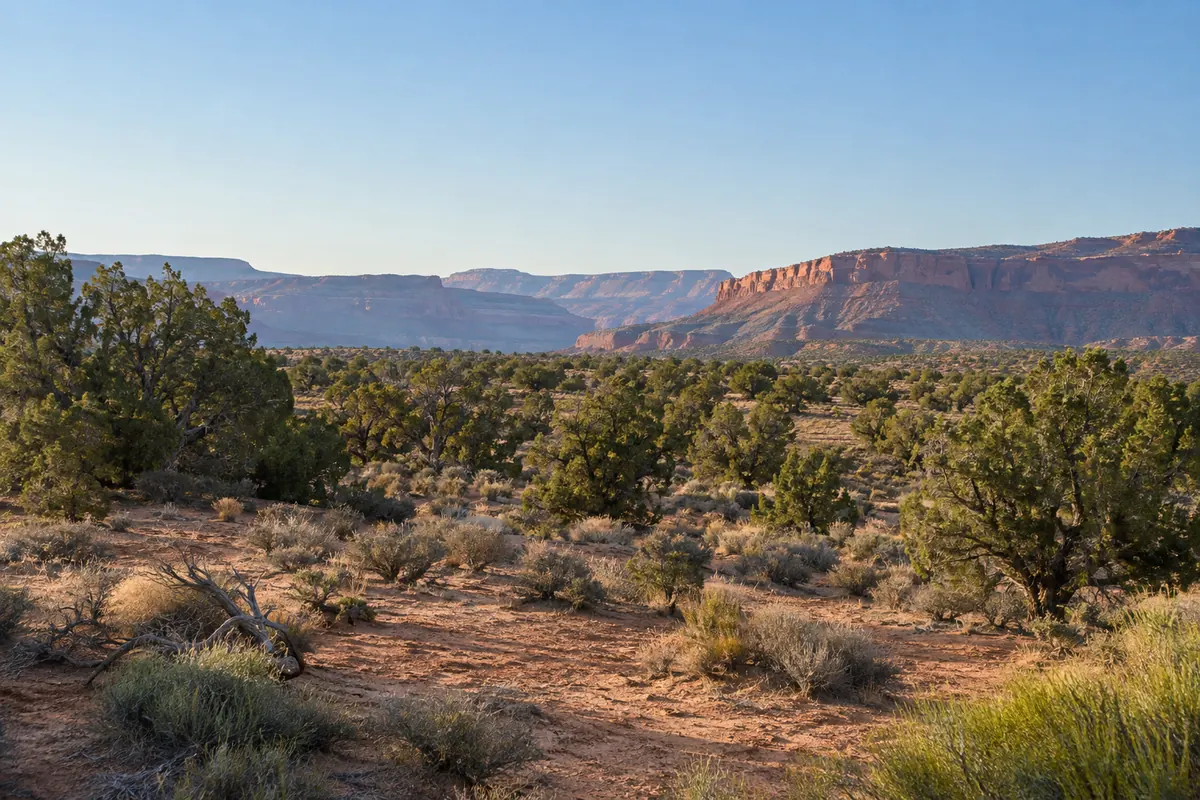
Start With Your Land and Your Selling Options
Start with what you know about the land: where it is, about how many acres you own and when you would like to sell. You do not need to find every old paper before you ask about an offer.
You can sell to a land buyer, work with an agent or find a buyer yourself. The right choice depends on the work you want to do, your timing and the offer you receive. This guide walks through the details that help you decide.
To get started with Reelvest, tell us about your land in Utah. Share what you know and tell us what is missing.
What Do You Know About the Land?
A recent tax bill is a good place to start. Look for the county name, the acres and a parcel number. A parcel number is the ID the county uses for a piece of land. It may also be called a property ID or tax account number.
If the land has no street address, that is okay. A map link, road name or nearby town can help. Use our guide to finding land without an address if you get stuck.
- Who owns it? Write down the names on the deed, if you know them. Note other owners or anyone helping with the sale.
- How do you get there? Say what you know about roads and paths. A road on a map does not always mean you have the right to use it.
- What is on the land? Mention any buildings, wells or other features you know about. It is fine to say you have not visited in a while.
- Does anyone else use it? Share any rental, farm lease or road-use agreement with the buyer.
Keep any deed, survey or old map you already have. Our simple paperwork checklist can help you sort out what to look for first.
Find a Missing Deed in the Right County
Look for the county and property number on a tax bill. A property number is the county’s ID for the land. If several pieces are included, write down each one.
The Utah State Archives land-record guide explains that deeds and their indexes are available through county recorders. Ask the Recorder in the county where your land sits how to find the recorded deed and get a copy. Have the owner’s name and any old document reference ready.
You can start without every paper. Bring what you have and explain what is missing. If you’re handling inherited land or helping settle a loved one’s estate, an attorney or closing professional can help check who needs to sign.
Be Clear About Water and What Is Included
Share any well papers, water-right number or water-company share papers you have. Don’t assume a well, ditch or nearby water means the buyer will get the right to use it.
The Utah Division of Water Rights explains that water rights can have a different owner from the land. A water right can be sold with land or separately. Ask the professional helping with your sale to check the papers and explain what is included.
The Division’s water-right search page can help you look up a number. An online entry is a starting point; don’t promise water use or a transfer based on that alone. If a record is unclear, ask the Division or someone experienced with Utah water rights for help.
You don’t need to buy water rights, drill a well or design a buyer’s home before asking about selling. Describe what you know. Buyers can explain what their plans need.
Explain How Buyers Can Reach and View the Land
Take current photos of the entrance and different parts of the ground. Point out slopes, rocky stretches, low spots and stored items. Say whether buildings, fences or equipment stay.
If snow, mud or a locked gate affects visits, explain when and how someone can enter. A road shown on a map doesn’t settle the right to use it. Share any written agreement to cross another owner’s land.
For grazing, farming or other current uses, share the agreement and ask how it fits the sale date. Don’t send visitors across a neighbor’s property without permission.
Check What You Owe and What You Would Keep
For a made-up example, $80,000 less $6,000 in seller costs leaves $74,000 before debts. A $77,000 offer with $1,000 in costs leaves $76,000. These are math examples, not Utah land prices. Compare the costs, buyer checks and timing together.
Do you have a loan on the land or a tax bill you have not paid? Mention it early. If you are not sure of the balance, say so. The amount may need to be checked before the sale can finish.
The sale price is not always the amount you take home. Ask for a clear list of fees, debts and other amounts that would come out of the price. Even when a buyer offers to pay closing costs, ask how loans and unpaid taxes will be handled.
For example, if you still owe money on the land, ask whether it will be paid from the sale and how that affects your check. Do not guess at the final amount from the offer price alone.
What Happens After You Find a Buyer?
- Make sure you are talking about the same land. List each piece included in the sale.
- Read the offer. Look at the price, fees, planned sale date and anything the buyer needs to check first.
- Work through open questions. The title company or attorney handling the sale can explain which papers they need and who must sign.
- Check the numbers. Ask how much you will receive after the listed costs and debts are paid.
- Finish the sale. Follow the signing and payment steps given by the company or attorney handling it.
There is no one timetable for every piece of land. Missing papers, questions about ownership or a buyer’s loan can affect the date. Ask what still needs to happen and who is working on it.
What Is Your Utah Land Worth?
A price for the whole state will not tell you much about your own land. Start with nearby land that has sold. Look for a similar size, location and road access.
- Sold price or asking price? A listing tells you what the seller hopes to get. A completed sale tells you what a buyer paid.
- Similar size? A small building lot may cost more per acre than a large stretch of land.
- Similar use? Check whether the land can be used in the same way. Road access, slopes and usable space can matter.
- Land only? A sale with a house or other buildings is not a straight match for vacant land.
- One property or several? Make sure the price is for the land you are comparing, not a larger package.
Our land value guide explains more. A buyer’s offer tells you what that buyer is willing to pay. You can compare it with other options before deciding.
Choose How You Want to Sell
Ask a land buyer for an offer
You deal with a buyer directly. Ask what land the offer covers, who pays the costs and what needs to happen before the sale closes. Read the written terms before you agree.
List with an agent
An agent can help market the land and talk with buyers. Ask about their experience with land, their fees and how they plan to find buyers. Discuss the asking price and how you will get updates.
Sell it yourself
You handle the listing, buyer questions and visits. Think about how much time you can spend on those tasks and who will help with the sale paperwork.
When you have offers to compare, use our offer calculator. It helps you see what you might keep after the costs you enter. Compare the dates and terms too.
Find Your Utah County
Choose a county below for more help, or see the full Utah county list.
- Beaver County
- Box Elder County
- Cache County
- Carbon County
- Daggett County
- Davis County
- Duchesne County
- Emery County
- Garfield County
- Grand County
- Iron County
- Juab County
- Kane County
- Millard County
- Morgan County
More Help With Selling Your Land
Questions You May Have
Can I start if I do not have a deed or street address?
Yes. Start with the county, acres if known and a road name, map link or property number. Ask for help finding missing records.
Can I sell more than one piece of land?
List each piece and whether you want to sell them together. Include the county and rough size of each piece. Note if the owner names differ.
How do I know how much money I would get?
Ask for the offer and a list of costs in writing. Check what comes out of the price, including any loans or taxes being paid. Ask about any number you do not understand.
What should I send first?
Start with your contact details and what you know about the land. Use the short form on this page. You do not need to have every answer today.
Utah source links reviewed October 4, 2026.