
Tell us where your Brunswick County land is and what you know about it. We'll talk through your sale plans and the questions that still need checking.
Tell us about your land. There’s no obligation to accept an offer.
Start here: You don’t need every land record to ask about selling. Share the location, acres if known, and any questions about ownership or access. Before accepting an offer, compare the price, costs, and money you keep. Tell us about your land.
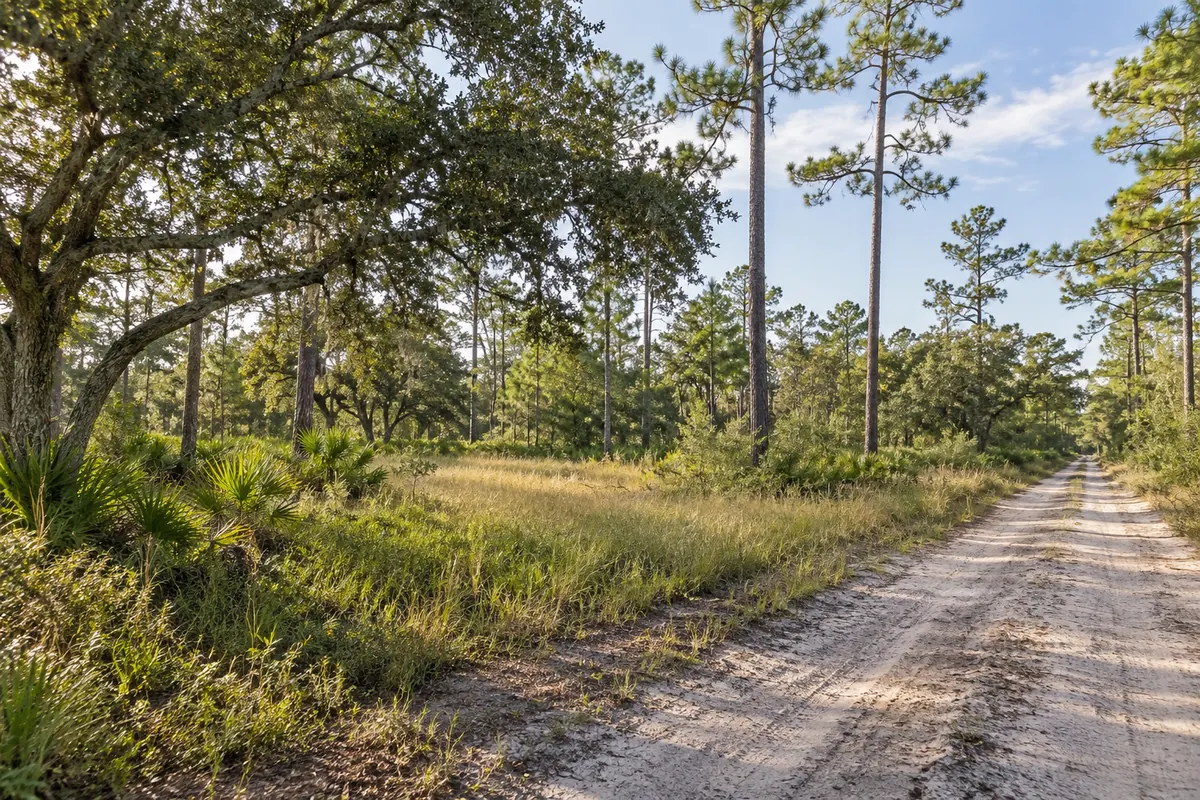
Start with the parcel number and the buyer's plan. A wooded lot can look ready for a home but still need answers about wastewater, flood maps and the space a house would use. You can discuss a sale before every question is settled. Just keep the known facts and open questions clear.
A parcel number is the county's ID for your piece of land. Look on a tax bill or ask the Tax Office for help. Brunswick County's property and tax records page links to its search and says to have the owner's name, address or parcel number ready.
Save the acres, location, land and building details, plus your deed and any survey. A deed is the document that transfers land. A survey helps show the lot's lines on the ground. If an old record and the map don't match, list the difference and ask which record needs checking.
The county's Interactive Maps page links to a Flood Zone Viewer and Parcel History. Use those tools to frame your questions. Then ask the right office about the exact lot and the part a buyer hopes to use.
If public sewer won't serve the home, a septic system may be needed. A septic system treats household wastewater on the lot. The county Water Protection Program explains that a site evaluation is used instead of the older test people often call a “perc” or “perk” test.
The evaluation looks at soil, wetness, depth and space for the system and any needed repair area. The county also explains that system size is tied to the home's bedrooms. A soil map or a neighbor's approved lot isn't the same as an approval for your site and plan.
Ask Environmental Health what records exist and whether they fit the proposed home. If you have an older permit, share the whole document, including its drawing and conditions. Ask what needs confirming if the home size or layout has changed.
The county's wastewater permitting options page describes several routes. Its traditional route begins with an application, planning review for unincorporated areas, and a site evaluation. Permits for site suitability, construction and operation come at their own stages. Ask staff to explain what your document covers; one step doesn't mean every later step is finished.
The same page describes options involving qualified private soil professionals or engineers. Ask which route fits the situation and what work it includes. Don't assume that hiring a private professional removes all remaining county steps.
The current county fee page says a septic application on land without public water also needs a well permit application. A well supplies water from the ground. Before paying for work, confirm the current applications, fees and who will handle them.
A floodplain is land that can fill with water during a flood. Check the intended home site and the route into it, not just a pin near the road. Keep the map date and any staff reply with your sale papers.
Brunswick's Floodplain Management page provides staff contacts and flood-map resources. If a boundary, map change or planned work is unclear, ask that office how it affects the parcel. A clear answer about one issue doesn't settle septic, zoning or every other site question.
For example, imagine you have an older wooded lot and a buyer wants a three-bedroom home. You have a tax bill and an old septic drawing. Find the parcel, share the drawing, and ask whether it fits the current plan. Check flood questions before anyone relies on a home location. This is an example, not a report about an actual lot.
Then agree who will gather missing records, pay for checks and handle a plan that doesn't work. Ask how long the buyer has to review the site and what happens to any deposit. Put the answers in writing so you can compare offers by their terms and the money you keep.
Use our land seller document checklist to gather what you have. When you're ready, tell us about your Brunswick County land. It's fine to explain which details are still unknown.
Start with the details you already have. If we can make an offer, you can compare it with your other options before deciding.
Share the location and acres if you know them. Tell us about any loan, shared owners, or access questions.
Ask which costs the buyer pays, what may come out of your payment, and what could change the closing date.
If you accept an offer, the closing team checks the ownership records and helps prepare the sale papers. Ask what they need from you.
A larger offer isn’t always a better deal. Ask for a written breakdown of the costs and amounts taken out of your payment.
For example, a $30,000 offer with $2,000 in costs leaves $28,000 before any loan or tax balance. Compare that with an offer that lists those costs differently.
Ask whether the buyer can cancel after checking the land. Read any deadline and what happens to the deposit.
You can compare a direct sale with listing the land or finding a buyer yourself. Think about the time, work, and costs each choice takes.
Missing records or signatures can delay a sale. Ask for a target date and a list of things that still need to be checked.
Use our land offer worksheet to compare the details side by side. The dollar amounts above are a simple example, not an estimate for your land.
Start with the location, acres if known, and the names of the owners. A tax bill, deed, or land ID number can help us find the right parcel. If you don’t have them, tell us what you know.
A land ID number or map pin can be more useful than a street address. Share the closest road and any old tax bill or deed you have. Don’t guess an address for empty land.
Compare the offer price, costs you pay, amounts taken out, and the planned closing date. Ask what must happen before the buyer is ready to close. Check the money you keep rather than the price alone.
Ask for a written estimate before you sign. A loan balance, unpaid taxes, or costs assigned to you may reduce the money you receive. Make sure the agreement says which costs each side pays.
Tell us about it when you share the land details. Ask the closing team to check the current balance and explain how it would be paid. Don’t assume an offer includes every debt or fee.
Tell us who is listed on the deed and who else may have an interest in the land. Share any estate papers you have. Ask the closing team which documents and signatures are needed before setting a closing date.
Yes, you can share it for review. Tell us how you reach the land and whether you have a written right to cross another property. An access issue can affect whether we make an offer and how much a buyer will pay.
The timing depends on the land, the ownership records, and the steps in the sale agreement. Ask which checks are still open and who needs to sign. We’ll discuss a target date if we move forward with an offer.
Start by comparing similar land that has sold. Size alone isn’t enough: road access, allowed uses, water, and other features can change what buyers will pay. An asking price or a tax value is not the same as a completed sale price.
Ask who will buy the land, who will handle closing, and how payment will reach you. Get the price, costs, and deadlines in writing. If a term is unclear, ask for an explanation before signing.
No. The county uses a site evaluation that checks soil, wetness, depth and space for a system and any needed repair area. Ask Environmental Health about the exact lot and proposed home.
Don't assume it does. The county says septic size is tied to bedrooms. Share the full document and ask whether it fits the buyer's home size, layout and current site plan.
Yes. Share what you know and what is still open. Agree who will arrange and pay for checks, how long the buyer has to review them, and what happens if the plan doesn't work.
Need to find your parcel? Start with our land ID guide. For sale papers, see the land seller document checklist.
Read our guide to a land sale agreement for the main things to check.
Reelvest buys land directly from owners. Tell us about your land so we can review it. If we make an offer, you can ask questions and decide whether it works for you. You’re free to compare other options.
Contact our team or call 888-850-5755.
Looking for another area? You can also start with our North Carolina land seller guide.