
Start with the land’s location and any papers you have. Make a list of the pieces you want to sell, then compare prices and ways to find a buyer. You can use an agent, sell yourself or ask for a direct offer. You don’t need every paper to begin.
Tell us about your land. There’s no obligation to accept an offer.
Start with what you know. These steps will help you get ready and choose the way to sell that fits you.
Find a recent tax bill, deed or old survey. Write down the acres if known, nearest road and parcel number. A parcel number is the county’s number for a piece of land. Empty land may not have a street address.
List each piece you want to sell. If you own two lots but want to keep one, say that from the start. Keep an old map with your notes and mark any boundary you are unsure about. You can begin without knowing every answer.
If you live out of state, start with papers you have at home. Note the road used, any buildings and who is using the land. The mailing address on a tax bill may be where an owner lives rather than where the land is.
Start with your latest tax bill or deed. Copy the land number, acres if known and nearest road. Keep a separate note for each piece you want to sell. Your mailing address may be where you live rather than where the land is.
The Bladen County Tax Administration page links to property records and bill search. For help with a record or current tax statement, call 910-862-6730. The office lists 201 East King Street in Elizabethtown.
The county-linked property search has different choices for Parcel ID and PIN. A PIN is another number used to identify the land. Copy the label and number from your paper rather than putting any number into the first box you see.
The Parcel ID instructions say to leave out spaces and punctuation. The PIN search has boxes for map, submap, block and parcel; it says to enter at least the map number. If the number does not fit, ask the Tax Office which choice to use.
If you search by street name, the site says to leave off the street type, such as road or drive. Empty land may have no street address, so a land number can be more useful. Check the actual piece and acres rather than only a familiar name.
The search site asks users to verify details with the original records. A tax value is not an offer or a completed sale price. A map can show location, but it does not settle an uncertain boundary or prove a right to cross another property.
Put your deed, latest tax bill, survey and loan details together. A deed is the recorded paper describing an ownership transfer. A survey is a measured drawing of the boundaries. Add a lease or written road agreement if you have one.
For a missing deed, start with the Bladen County Register of Deeds. Call 910-862-6710. The office lists 106 East Broad Street, Room 118, in Elizabethtown.
Have the owner names, approximate year and any document number or book and page ready. The county says the office keeps deeds, mortgages and plats. A plat is a drawing filed in the land records. Ask about the copy you need, current cost and how to get it before ordering or visiting.
The Register’s home page links to Search Online. If a paper is hard to find, ask the office rather than assuming it was never recorded. Keep the deed reference with the parcel number so the closing attorney can match the right land.
A deed copy alone is not a full check of ownership, loans or other claims. Ask the real estate attorney handling closing what they need to review. The Register records papers; it does not decide legal ownership questions for you.
If you’re handling inherited land or helping settle a loved one’s estate, gather the papers you have. The Register’s county page directs estate and will questions to the Clerk of Court at 910-872-7200. Ask your attorney which documents and signatures are needed for this sale.
You can explore prices and selling choices while getting help with records. You do not need to write a new deed yourself to begin. Use our land seller document checklist to mark what you have.
Make a short list of what a buyer would want to know. Describe the ground as it is today, with a question beside anything you have not checked.
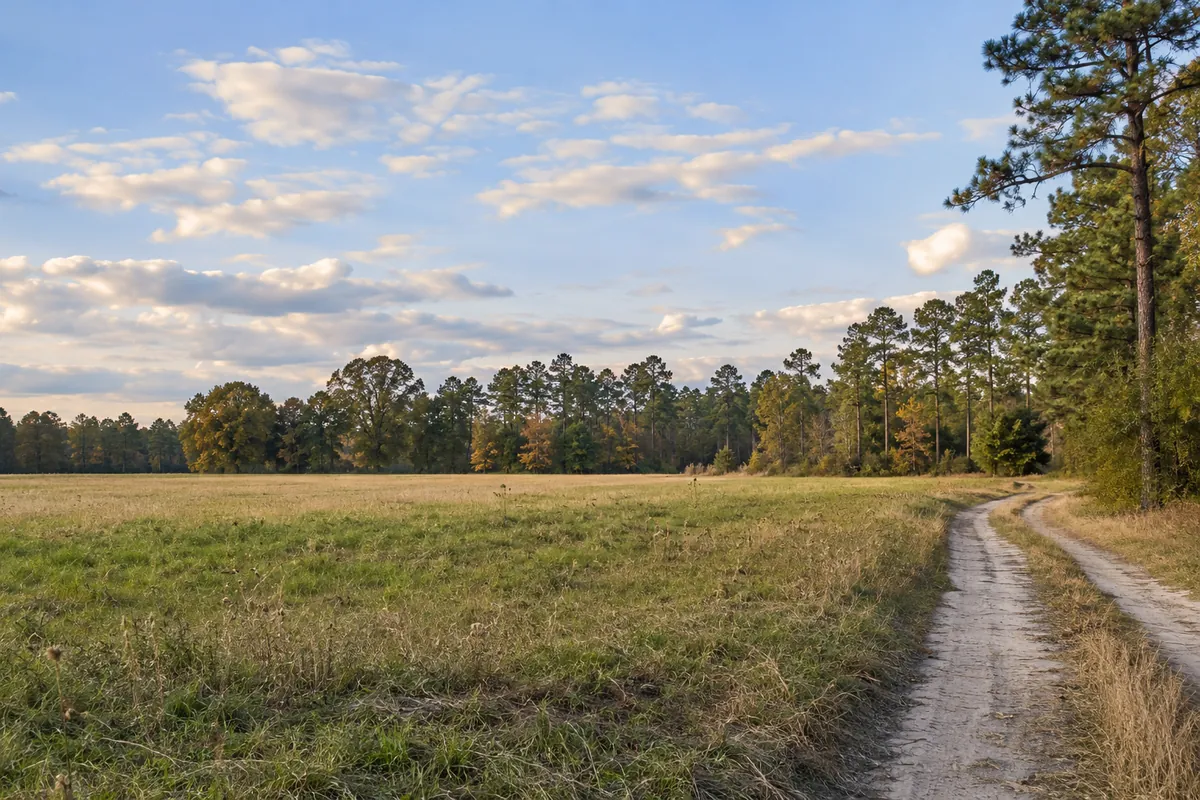
For a field or wooded tract, describe the entrance and ground farther in. A dry spot near the road may not show lower ground at the back. Mark areas you have not visited rather than guessing their condition.
If timber is a big part of the price, ask a qualified forester what needs checking. Tree types, age and harvest access can differ even when two wooded pieces look alike. Keep any timber-sale papers you have.
If someone farms, hunts or uses the land, keep the agreement. Ask when their use ends and how a sale affects it. Arrange visits with them before a buyer goes onto the land.
For a small lot, keep the lot and block from your papers if listed. Say which connections are on the land and which are only nearby. A utility line along the road is different from a working connection.
Take current photos if you can safely visit. Show the entrance, open ground, woods and included buildings. If you live far away, start with papers and say when you last saw the ground.
You do not need to plan a buyer’s home before discussing a sale. Keep any survey, soil test or permit paper you have. If a buyer’s offer depends on building or dividing the land, ask which checks they need and how long they have.
Look for recent completed sales of land buyers would compare with yours. Ask a local land agent or appraiser for the full price, acres, date and included items. Ask what their help costs and how they checked each sale.
A small lot near Elizabethtown or Bladenboro, a farm field and a large wooded tract may need different matches. Compare access, usable ground and current use as well as size. A sale with a house or several pieces may be a poor match for empty land.
Keep asking prices separate from completed sale prices and tax values. A listing that disappears does not prove a sale. Ask where the final price came from.
For a possible match, keep the parcel number, deed reference, date and full price together. Check whether the deal included more land or buildings before dividing the price by acres.
When useful matches are hard to find, ask for a price range with clear reasons. Do not multiply a high-priced small lot’s price per acre by the acres in a much larger tract.
Our Bladen County land price guide gives more comparison steps. Use it to organize questions rather than treating a county average as a price for your land.
You have a few ways to sell:
Choose the approach that fits your time and goals. If you want a direct offer to compare, tell Reelvest about your land. Start with what you know. You decide whether an offer works for you.
For more statewide selling steps, see our North Carolina land seller guide.
Ask for the price and terms in writing. Check who pays closing costs, any agent fee, the planned date and what lets a buyer cancel or ask for a lower price. Ask how a loan or unpaid balance would be handled.
Have the closing professional confirm balances and explain what would come out of your payment. Keep any tax bill or notice with its account and year so the right amount gets checked. A tax value is different from the money you owe.
Here’s a made-up example: a $45,000 offer minus $3,000 in seller costs leaves $42,000 before a loan or unpaid balance. Those numbers are not an estimate for your land. They show why the highest offer is not always the most money kept.
Use our offer comparison worksheet to keep terms side by side. Ask about anything unclear before signing.
Ask who will handle closing and what they still need. The closing attorney checks records, prepares papers and explains payment. Missing documents or signatures can affect the date.
Bladen County’s Tax Administration page describes a tax check for recording a sale deed. It also describes a route where a closing attorney handles unpaid taxes from the sale money. Ask your closing attorney which route applies and what still needs checking.
Keep your tax bills and notices with their year and parcel number. Ask the attorney to confirm the current amount owed, how it would be paid and how that affects the money you receive. Do not assume an offer includes every tax or loan balance.
You do not need to prepare the county certification or write a deed yourself to start selling. Ask who will prepare and file the papers. Let the attorney explain a missing item before you agree to a firm date.
Make sure the agreement covers the land and included items you mean to sell. Request a written estimate of the money you will receive and how payment will reach you. Ask about any term you do not understand before signing.
Keep copies of the signed papers. Confirm the next steps for keys, access and included items. You do not need every answer at the start, but important questions should be settled before you finish the sale.
No. Start with the location, acres if known and papers you have. Mark what is missing. You can compare selling routes while getting help with records.
The county-linked site uses separate choices. Copy the label and number from your paper. Ask the Tax Office at 910-862-6730 which search fits if you are unsure.
Call the Bladen County Register of Deeds at 910-862-6710. Have the names, approximate year and any document number or book and page ready. Ask about copy service and current costs.
Gather what you have and ask your attorney which papers and signatures are needed. The Register’s county page directs estate and will questions to the Clerk of Court at 910-872-7200.
Ask the closing attorney to confirm the current balance and explain the county tax check for recording the deed. Ask how payment would affect the money you receive.
No. Ask who will prepare and file the sale papers. You can begin with the location and papers you have, then get help with missing items.
Yes. Compare an agent, selling yourself and a direct buyer. Ask about fees, buyer questions, terms and the work you would do.
No. Use these steps with any selling route. If you want a Reelvest offer to compare, tell us about your land. You decide whether it fits.
Local source links reviewed October 7, 2026.