
First identify the land and gather your deed, tax bill and any old survey. Explain how you reach it, compare similar sales and choose a way to find a buyer. You can start with the papers you have. You don’t need to plan a buyer’s home before asking about selling.
Tell us about your land. There’s no obligation to accept an offer.
Start with what you know. These steps will help you get ready and choose the way to sell that fits you.
Write down the property number, road name, acres and owners on the deed. List each piece you want to sell. A map pin and entrance directions can help when the land has no address.
The county’s official applications page links to Parcel Lookup, Tax Lookup and Online Record Search. Use the property tools to help identify your land. Use the record search to look for a missing deed or other recorded paper.
If the acreage or map looks wrong, contact Buncombe Land Records. Its page explains how to ask about mapping issues. Don’t quietly replace one acreage number with another; share the deed, survey and tax record you have so the buyer understands the question.
Missing papers are something to work through, not a reason to avoid asking for help. An agent or closing professional can explain which ones your sale needs.
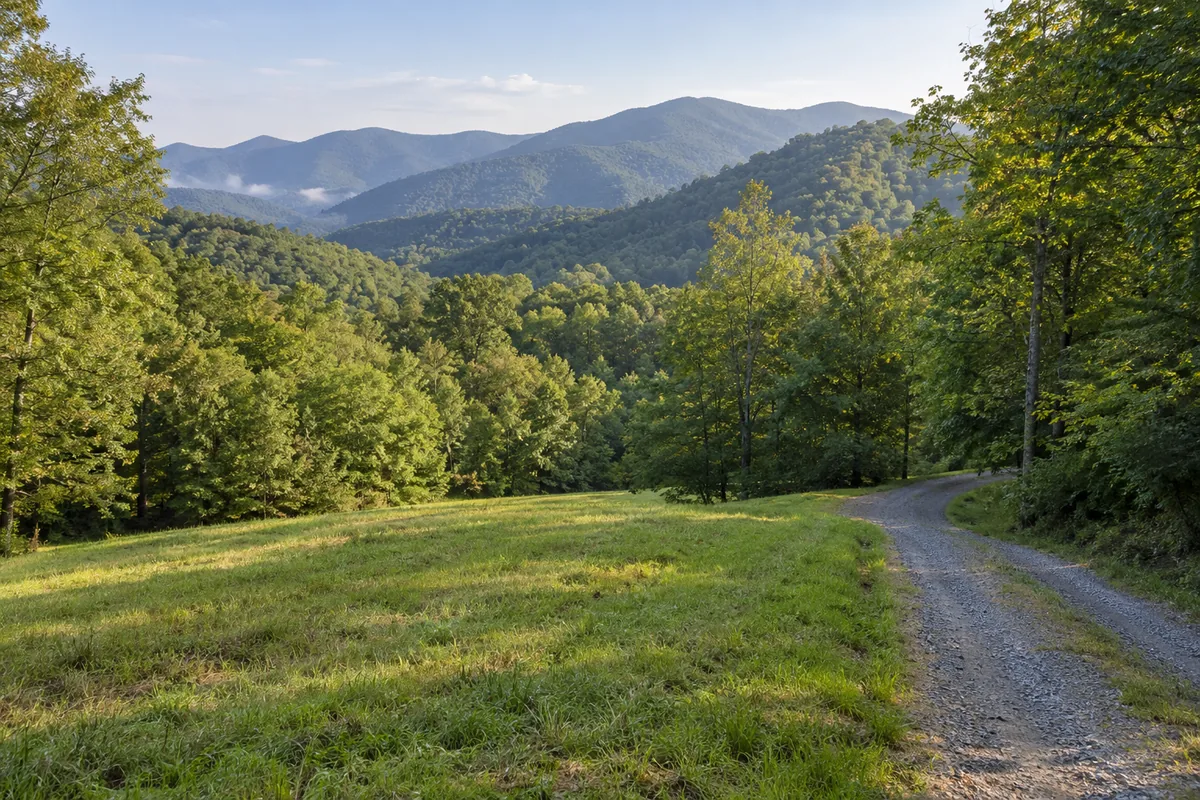
Show buyers the actual entrance. Describe steep parts of the route, gates and places that are hard to reach. If you cross someone else’s land, share any written right to use that route. This agreement is often called an easement.
The county says its maps don’t show access or utility easements. A missing line on the map doesn’t settle whether you have a written right to cross. Look for that paper with your deed and let a closing professional help review it.
The county also says online maps aren’t surveys and can’t settle boundary questions. Share an old survey if you have one. Ask what new work is needed before paying for it.
Take photos of the entrance, slope and any flatter clearing. Mention a creek, wet ground, erosion or known damage. Share well, septic or power papers you already have. Don’t promise that every acre can be used for the same purpose.
Ask a local land agent for recent completed land sales. Compare acreage, entrance, slope, useful clearings and known services. A roadside lot and a wooded hillside can meet different needs. Keep house sales separate from vacant land.
Don’t treat an asking price as a completed sale. Ask the agent why each comparison fits your land and where it falls short.
You don’t need to cut a building pad, extend utilities or plan a buyer’s house before starting. Ask whether any work would help your sale before spending money.
Make sure the offer covers the right piece or pieces. Read the deposit, time for buyer checks and proposed closing date. Ask what allows cancellation and whether an access or boundary question is still being reviewed.
Ask who pays each cost and how taxes or a loan balance would be handled. Compare the money you keep rather than only the price.
For a made-up example, $90,000 less $8,000 in seller costs leaves $82,000 before other debts. An $86,000 offer with $2,000 in seller costs leaves $84,000. The figures show how to compare terms, not what your land is worth.
Use our offer comparison worksheet. Have unclear promises or deadlines explained before signing.
Ask who will handle closing, what they need and how payment will arrive. Closing finishes the sale through signed papers and payment. Read the final costs before the appointment.
If you’re handling inherited land or helping settle a loved one’s estate, bring the papers you already have. An attorney or closing professional can help work out the ownership questions and who needs to sign. Tell them about other owners, a loan or missing records early.
Read our seller document checklist and North Carolina seller guide. If you want a direct offer to compare, tell Reelvest about your land. You decide whether it works for you.
The county says its maps don’t show access or utility easements. Share any written agreement with your deed and ask a closing professional to help review it.
No. The county says its maps are not surveys and cannot settle boundary questions. Share any survey you have and ask what else is needed.
You can begin with the land as it is. Describe its entrance and ground, and let buyers explain the checks their plans need.
The official applications page links to Parcel Lookup, Tax Lookup and Online Record Search. Start with your property number, tax bill or deed.
Local source links reviewed October 4, 2026.