
Sell Your Land in
Florida for Cash

Thinking about selling your Florida land? Tell us where it is and what you know about it. We’ll review the details, and you can decide whether an offer fits your plans.

Direct Land Review
Start With What You Know
Your Decision

Get Your Cash Offer

Start with the details you have. You don’t need every answer to reach out.

Tell Us About Your Land

Enter your name and either your email or phone number.

If you received a letter from us, enter the code printed on it

✓ Offer Request Received!

Thanks, we’ve received your land details. We’ll use the contact information you provided to follow up.

No obligation to sell

Start here: Find your county below, gather the land ID or tax bill you have, and tell us about your plans. You can reach out with the details you know.

How a Direct Land Review Works

You can ask questions before deciding what to do.

1

Tell Us About Your Land

Share the location, acres and when you’d like to sell. Mention any loan, unpaid taxes or shared owners.

2

Review the Details

We look at the information you send. If we need more to review the land, we’ll ask. You can ask how any proposed offer works.

3

Decide What Fits

Read the written price, costs, dates and conditions. If you choose to move ahead, confirm the next steps with the people handling the closing.

Find Your Local Florida Land Guide

Choose the area where the land sits, even if you live somewhere else.

Find Your Florida County Records

Florida calls its local assessment office the property appraiser. The Florida Department of Revenue directory lets you choose your county and open that office's website. Start there when you need to find the right property record.

The same directory also lists tax collectors. The property appraiser handles the value used for taxes and related tax record details. The tax collector sends bills and handles payments. Keeping those jobs separate helps you ask the right office about a missing record or a bill.

Save the Details That Identify Your Land

  1. Choose the county where the land sits, even if you live elsewhere.
  2. Open the property appraiser's search and use the land ID or owner name shown on your tax bill.
  3. Check the map, acres and record description. Save the link and copy the full land ID.
  4. If you have a bill question, use the tax collector's contact from the directory.

If the record shows a house or other buildings, note that when you ask about a land offer. If you only want to sell part, say which part. Keep a list of missing details rather than guessing.

A county record is a useful starting point. If two records don't match, save both and ask the office to help you understand the difference. Don't choose the one with the larger acreage just because it looks better.

For a first inquiry, you can write: “I have land in this county, the ID on my bill is this number, and I think it is about this many acres.” Use our no-address guide if you need help getting started. Official directory reviewed October 2, 2026.
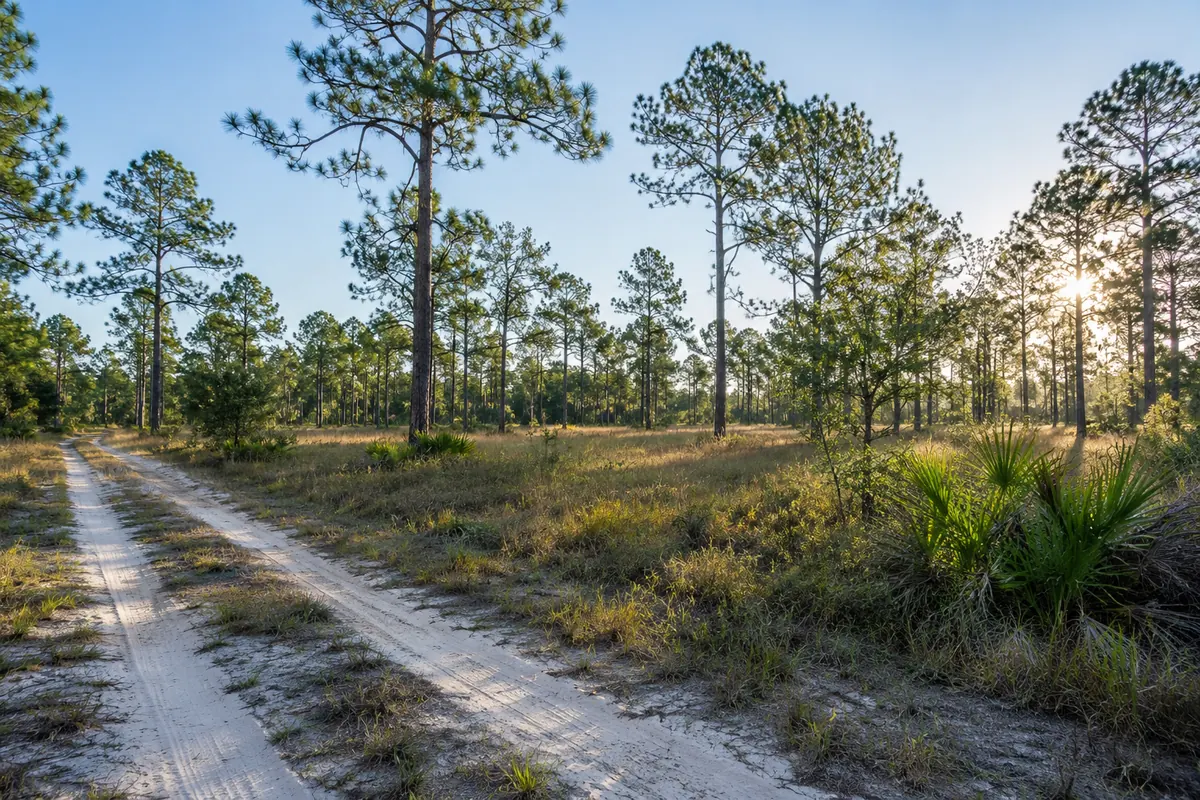
A sandy lane through open pine woods and palmettos

Gather a Few Useful Details

You don’t need a perfect file to start. A clear note is more useful than a guess that sounds certain.

For example: “I own about five acres in this county. I have the tax bill, but I haven’t found a survey. I’d like to compare offers before deciding.”

Need help finding the land? Use our guide for land without a street address. For more on your options, read our Florida seller guide.

Questions Before You Sell

Clear answers help you compare your choices.

Start with the county, land ID if you know it, and about how many acres you own. Add your contact details and tell us when you hope to sell. If a detail is missing, say so. You can send more information after the first conversation.
A street address isn’t always needed to begin. Share the county and the land ID from your tax bill. A map link or nearby road can help too. Tell us which details are confirmed and which are your best guess.
Read the price, costs, dates and conditions together. Ask what you would pay, what the buyer still needs to check and when either side could cancel. Compare the money you keep after costs, not just the headline price.
Tell us about the bill or loan when you reach out. Gather the latest tax notice and lender details. Ask the closing professional to check the amounts and explain how they would be handled. Don’t assume the sale will erase a debt or that an online balance is the final amount due.
Tell us who owns the land and what papers you have. If you’re handling inherited land or helping settle a loved one’s estate, share the papers you have. It’s okay if you’re unsure who needs to sign. The closing professional can explain what needs to be checked before a sale can go ahead.
The dates depend on the land, the records, any buyer checks and the agreed terms. If you have a deadline, tell us at the start. Ask for a proposed schedule and what could change it before you make plans around a closing date.
Yes, tell us which part you hope to sell and what you want to keep. A partial sale may need local review, a survey or lender approval. Bring up road access to the land you would keep before agreeing on a boundary.

Use our land offer calculator to compare known costs. Our sale agreement checklist helps you keep track of questions about the written terms.

Your Next Step

Start with the records you have. Tell us what you know about your Florida land and what you hope to do. You can compare a proposed direct offer with your other choices before deciding.

Ready to Tell Us About Your Florida Land?

Share the details you have. We’ll let you know what else is needed for a review.

Tell Us About Your Land →