
Start selling your Brevard County land with the location, the papers you have, and a price based on similar land. Then choose an agent, sell it yourself, or compare a direct offer. Here are the steps to get ready without turning the sale into a big project.
Tell us about your land. There’s no obligation to accept an offer.
Start with what you know. These steps will help you get ready and choose the way to sell that fits you.
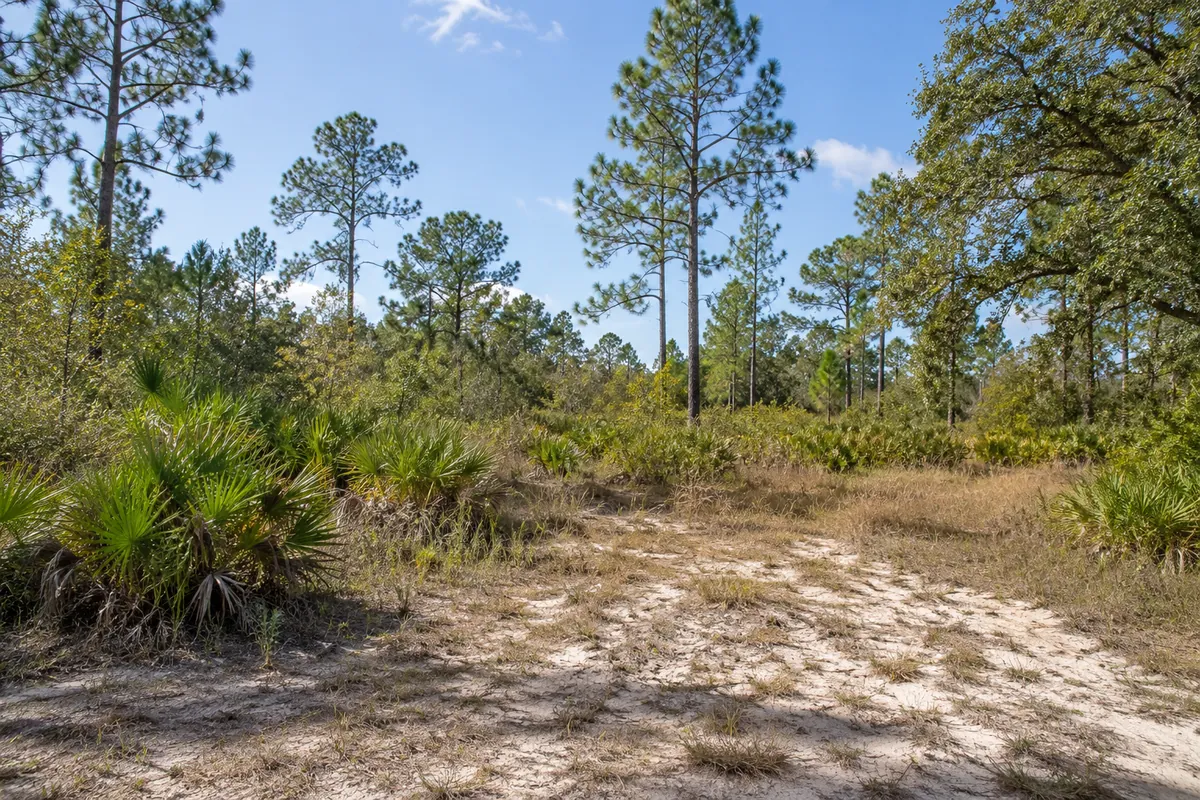
Look for your tax bill, deed, or an old survey. Write down the parcel number, acres if known, and other owners' names. A parcel number is the county's number for your land.
You can start even if the property has no street address. Share the parcel number or a map that helps identify it. Don't rely on a pin placed near the closest road; make sure the buyer knows which piece of land is for sale.
Keep notes about how you reach the land, any loan or tax balance, and your preferred timing. If you're not sure about something, put it on a short question list.
Brevard's public records guide explains that different offices hold different records. For a land seller, these two are useful:
Save the parcel number and compare the acres and owner's name with your papers. If you find a deed, check the land description too. A tax record helps identify the land, but the closing team still needs to check ownership before a sale. That team handles the papers and money.
If the record looks wrong, save a copy and ask the right office or your closing team for help. You don't need to submit a broad public-records request just to begin looking up your land.
Buyers want to understand what they're looking at. Give them the location, acres, price, clear photos, and a way to arrange a visit. Show the entrance, road, trees, and open areas.
Keep facts separate from guesses. For example: “There are power lines along the road; I haven't checked the hookup cost.” Or: “Part of the lot stays wet after rain.” Those details help a buyer know what to check.
Don't promise that land is ready for a house just because there are homes nearby. A buyer with building plans should check those plans. Your job as a seller is to share what you know, not design their project.
Keep any survey, lease, written road-use agreement, or property rules you have in your folder. An online map is helpful for finding land; it doesn't set an exact fence line.
Ask a local land agent for recent vacant-land sales that are close matches. Compare size, access, nearby services, and the land itself. A small lot with a paved road and services nearby may attract different buyers from a larger wooded piece.
Before using a sale as a match, ask whether it included buildings. Ask why the agent thinks it fits your land. A listing that hasn't sold is an asking price, not a completed sale.
Keep a price range rather than trusting one countywide number. If you don't have enough good sales, get help with the comparison. The value on a tax record doesn't tell you exactly what a buyer will pay.
With a land agent, you get help with pricing, marketing, questions, and visits. Ask about the fee and what work it covers. Ask how they market vacant land and how often you'll hear from them.
If you sell it yourself, plan time for calls, visits, and written offers. Give buyers a clear description and keep their questions in one place. You'll still need help with closing.
A direct buyer such as Reelvest is another option to compare. You can ask about an offer and decide whether it fits. Compare the written price and terms with the other choices; a direct offer isn't always the highest price.
You don't have to clear all the trees or order new plans before you ask about selling. Small steps like clear photos and gathering papers are a good place to start.
Before paying for clearing, a survey, or other work, ask: Is it needed for this sale? Will it help the buyer we're trying to reach? Who pays? If the answer isn't clear, don't assume that work will pay for itself.
If you live elsewhere, tell the buyer or agent that you'll need help arranging visits. Share any gate and safety details before someone goes to the land.
Compare the money you keep as well as the price. For example, $36,000 less $2,500 in seller costs leaves $33,500 before a loan or tax balance. An offer of $35,000 with $500 in those costs leaves $34,500. These are sample numbers, not Brevard sales.
Ask who pays costs, which checks the buyer needs, when they can cancel, and what could change the date. Our offer comparison worksheet helps you write down the answers.
After you agree on the terms, ask the closing team what papers they need and for an estimate of the money you'll receive. If you're handling land after a loss in the family, share the papers you have and ask who needs to sign. You don't have to sort everything out alone.
Before signing, read the final price, names, land description, and costs. Confirm payment instructions by calling a trusted number you already have. Keep copies of the signed papers.
See the land seller document checklist and our guide to selling land in Florida. If you'd like to compare a direct offer, tell Reelvest about your land.
The county’s records guide directs deed and other recorded-document questions to the Clerk of the Circuit Court. The Property Appraiser helps with property research, maps, and recent sales.
Yes, you can start gathering details and talking about a sale with the papers you have. Ask the buyer or closing team whether the sale needs a new survey and who would pay for it.
Only share facts you can support. A buyer should check that their plans will work. If you don’t know about a hookup, approval, or other detail, say it needs to be checked.
Yes. You can compare your choices. Asking about an offer doesn’t commit you to selling; read any agreement before you sign.
Local source links reviewed October 6, 2026.