
To sell your St. Lucie County land, gather the property details, choose a price, and decide how to find a buyer. Then compare written offers and work through closing. Start with a tax bill or the land’s location. You don’t need every answer on day one.
Tell us about your land. There’s no obligation to accept an offer.
Start with what you know. These steps will help you get ready and choose the way to sell that fits you.
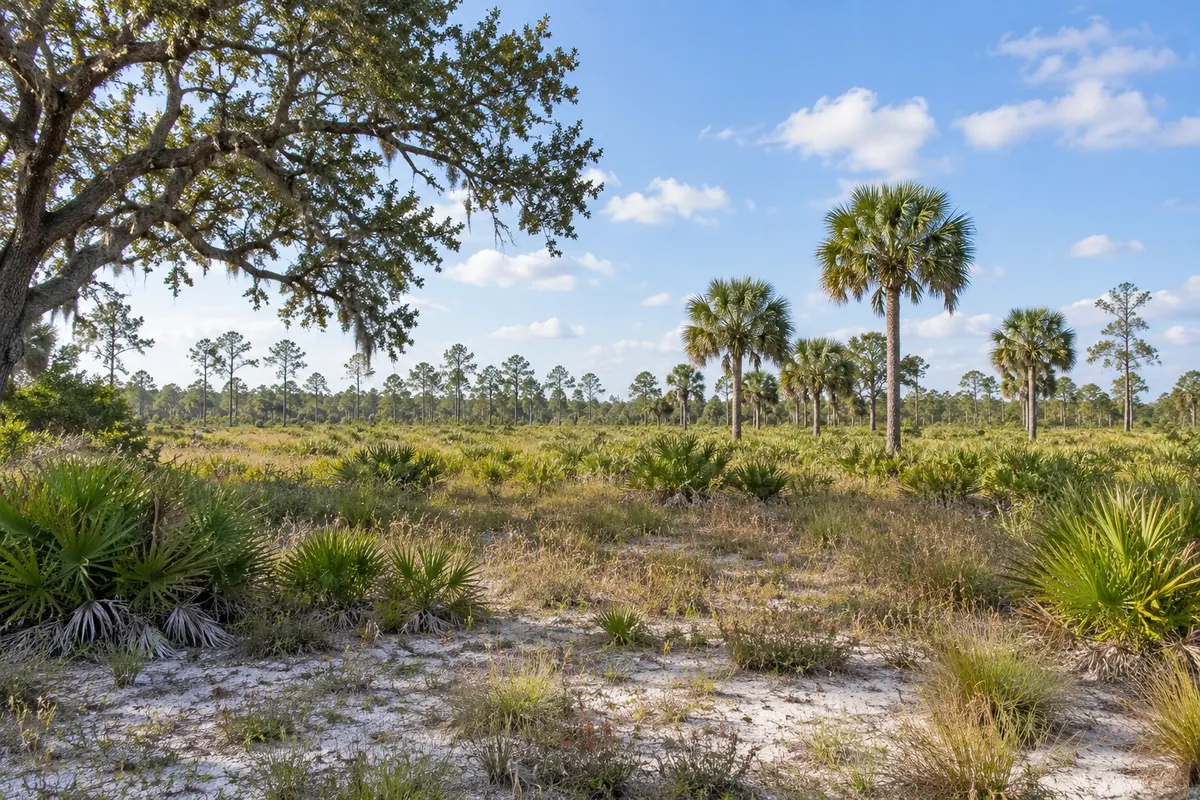
A missing paper doesn’t mean you have to stop. Start with what you know and work through the questions one at a time.
Start with a tax bill, deed, or old survey. Keep the owner’s name, nearest road, acres, and Parcel ID together. A parcel is a piece of land; its ID helps the county find the right record. If it has no street address, use that ID or a map pin instead of guessing an address.
The St. Lucie County Property Appraiser links to Search by Real Estate and Search by Map. The real-estate tool has address, owner, and parcel searches. If an address search doesn’t find empty land, try the owner’s name or Parcel ID. For help, the office lists 772-462-1000.
Match the location and owner with your papers before sharing a record with a buyer. Note any difference in acres or buildings. An online map helps you find land; it doesn’t replace a survey that checks boundaries.
If you own several parcels, list each one and say which you plan to sell. If you want to sell only part of a larger property, ask for help checking what can be sold before promising a separate piece.
You don’t need a perfect folder before you ask about selling. Start with the papers you have:
The Clerk’s current Recording page links to Official Records Search for deeds, mortgages, plats, and other recorded papers. If an old saved link fails, start from that page. For older records or a deeper search, it lists the Research Department at 772-462-6930.
The Official Records FAQ explains how to order a copy in person, by mail, or through its online request form. Ask about the current fee and whether a plain or certified copy is needed before ordering. The Clerk lists 772-462-6900 for general help.
A deed copy isn’t a full check of ownership and claims against the land. Ask your title company or closing attorney who will handle that check. The Clerk can help with recorded papers but says it cannot give legal advice or help complete your forms.
Look in old closing papers for a survey before ordering new work. A recorded plat may show a subdivision without answering every question about your own land. Ask whether a new survey is needed, why, and who will pay. Our seller paper checklist helps you sort what you have.
Take recent photos of the entrance, road, open land, trees, and any buildings. Write a short description in your own words. Share what you know about fences, low or wet areas, working water or power hookups, and how you reach the land.
For example, “Water collects near this corner after heavy rain” helps a buyer ask about that spot. “The power line is near the road, but there’s no hookup” is clearer than saying the land has power. Be clear about what you know and what still needs checking.
If you cross another owner’s land to reach yours, keep the written access agreement if you have one. Share any agreement about maintaining a shared road or drive. A visible path alone may not answer a buyer’s access questions.
If someone farms, grazes, or rents the land, keep their agreement with your papers. Ask what happens to the lease, crops, and use of the land if you sell. Be clear about which equipment or stored items are included.
If a buyer wants to build, share any past tests or approvals you have. Nearby houses don’t prove your land is ready for the same use. Ask what the buyer still needs to check. You don’t need to plan their whole project before discussing a sale.
If you’re handling inherited land or helping with a loved one’s estate, gather the papers at your own pace. Ask the closing attorney who can sign and what is still needed. Talk with any other owners before agreeing to a sale date.
Ask a local land agent for a few recent completed sales a buyer would compare with yours. Check the acres, setting, road access, services, and buildings. A smaller lot near existing homes and a larger rural tract can draw different buyers. Ask why each example fits your land.
The Property Appraiser’s real-estate search includes a Sales Search option. It can be a starting point for finding examples. Before relying on a price, check what the sale included. A house, several parcels, or other items may explain part of the amount.
A listing shows what a seller wants. A completed sale shows what a buyer paid. The value on a tax record is part of the tax process, not a buyer’s offer. Check its year and property details before using it in your notes.
Ask the agent for a likely price range for your whole property and what could move it higher or lower. If there are few close matches, ask how they chose the examples. For a formal need, ask whether an appraisal—a written opinion of value—would be useful. Our land-value guide has more help.
Think about the time you can spend and when you’d like to sell. If you want another option to weigh, tell Reelvest about your land. We’ll review it and let you know if we can make an offer. You decide whether it fits.
Ask for a written estimate of what’s left after agreed costs, loans, taxes, and other amounts owed. For a made-up example, a $100,000 offer minus $5,000 in sale costs and $3,000 in unpaid balances leaves $92,000. This is simple math, not a price estimate for your land.
Before signing, ask:
Our land offer worksheet lets you compare the answers side by side. A cash offer still needs clear written terms.
The St. Lucie County Tax Collector’s Taxes page has help for bills, past-due taxes, and special assessments—extra charges listed on a tax bill. Its Online Payments page links to real-estate tax accounts. Follow the Property Tax link and search by name, address, or the account number on your bill. Check that you have the right property before relying on a balance.
Give your closing team every tax notice and ask them to check amounts for the planned closing date. An old bill may not show everything due. If you have a past-due tax or tax-sale notice, share it early and ask about deadlines. If the land has special tax treatment, share those papers too and ask what could change with a sale.
Ask who is handling closing and how to reach them. They review the ownership records, amounts owed, and papers for the transfer. Ask what documents or signatures are still missing before making plans around a closing date.
Read the final statement that lists the price and amounts taken out of your payment. Ask about anything you don’t recognize. Confirm how and when the money will reach you. Keep your signed sale papers.
Your first step can be small: find a tax bill, write down the land’s location, and list your biggest questions. Our Florida land seller guide has more general help. You can also tell us about your land if you’d like a direct offer to compare.
Start with the location, owner names, and a tax bill or Parcel ID. Gather a deed, survey, and any loan, tax, or land agreements you have. You can ask about selling while you work through missing details.
Use the Parcel ID from a tax bill or deed, plus the nearest road or a map pin. The Property Appraiser’s real-estate tool has owner and parcel searches as well as address search. Match the record with your papers rather than guessing an address.
The Clerk’s current Recording page links to Official Records Search. Its FAQ explains copy requests in person, by mail, or online. For general help, call 772-462-6900; older records or deeper searches can go to Research at 772-462-6930.
Look for a survey in old closing papers first. Before paying for new work, ask whether it is needed, why, who will arrange it, and who will pay. You can discuss a sale while questions are still open.
Compare a few similar completed sales, then check what each included. Size, access, services, setting, and buildings matter. Ask a local land agent for a range for your whole property and why the examples fit.
Gather the deed and estate papers you have. Ask the closing attorney who can sign and what is still needed. Talk with any other owners before promising a sale date.
The Tax Collector’s Taxes page links to bill and past-due tax help, and its Online Payments page links to real-estate tax accounts. Match the parcel and have your closing team check the balance for the planned closing date. Share any tax-sale notice early.
Compare the work, fees, written terms, and money you would keep. An agent can help market the land; a direct offer gives you another option to weigh. You can ask Reelvest about an offer without accepting it.
Local source links reviewed October 4, 2026.