
Start with the location, acres and the names on your deed. Gather the papers you have, choose how to find a buyer and compare offers. You can begin without a street address or every answer. Here are the steps to get ready.
Tell us about your land. There’s no obligation to accept an offer.
Start with what you know. These steps will help you get ready and choose the way to sell that fits you.
Look for a recent tax bill. Write down the parcel number, which is the county's number for that piece of land. Check whether you own one parcel or several. Don't make up a street address for an empty lot.
The Lake County Property Appraiser has Property Search and Map Search links. Start there to locate your land. Call 352-253-2150 if you need help with the property record.
Save the record and a map showing where the land is. A map pin helps a buyer find it, but a tax map doesn't settle a boundary question. Keep an old survey if you have one.
Have your deed, tax bill and survey handy if you can find them. Add any papers about shared access, an owners' association or rules for the land. You don't need a perfect folder to ask about selling.
If your deed is missing, use the Lake County Clerk's records page. Choose Official Records for deeds and mortgages, rather than the court-record search. The Clerk's main number is 352-742-4100; ask for help finding a deed copy.
Have an owner's name and any document number you already know ready. Ask whether you need an ordinary copy or a certified copy before ordering. Let the closing team tell you what they need.
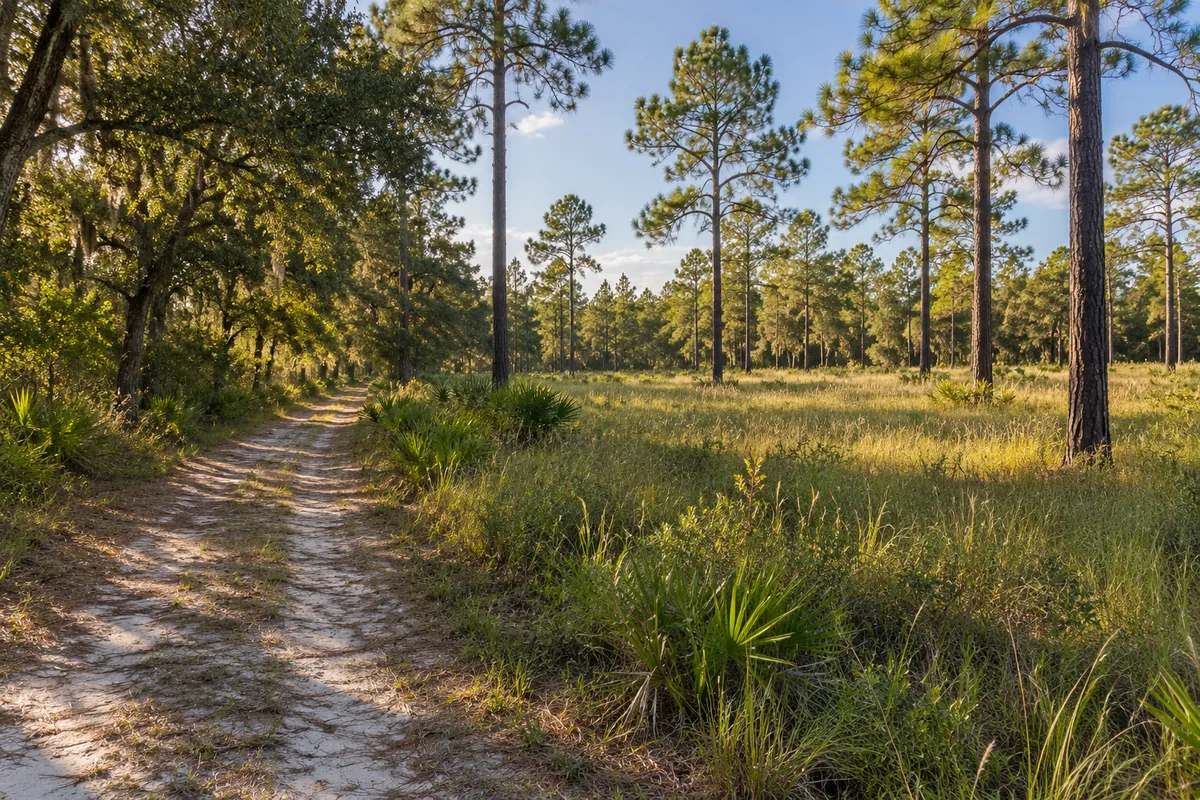
A buyer needs to know what is there and how to reach it. For example: “It's an empty lot beside a paved road. The front is open, and the back has trees.” That is more useful than a list of terms you aren't sure about.
If the lot is near water, describe what you know. Don't call it waterfront just because a map shows a nearby lake. Share any known access rights or limits. You don't have to promise that a buyer can build there or put in a dock.
Compare completed sales of land with a similar size, setting and access. A small neighborhood lot isn't the same as a large tract. A property with a house is not a land-only price comparison.
Look at what actually sold, not just what owners are asking. Save the parcel number and sale date so you don't count the same sale on several websites. Ask a local land agent to explain which sales fit your property.
Your tax figure can help you understand the record. It isn't an offer. If you don't yet know what your land is worth, ask for a price range and the reasons behind it. Our land value guide explains this step.
Use an agent: An agent can help price the land, advertise it and handle buyer calls. Ask about fees, land-sale experience and how showings will work.
Sell it yourself: You choose the listing and speak with buyers. You'll also need to handle questions, showings and written offers. Read our guide to selling land yourself if that appeals to you.
Compare a direct buyer: A direct offer may reduce the work involved. Compare its price and terms with other choices. Ask what the buyer needs to check before the offer is final.
If you'd like to include Reelvest in that comparison, tell us about the land. You choose whether an offer works for you.
Check the exact parcel or parcels being sold, the price and who pays costs. Ask how long the buyer has to check the land. Ask what could let either side cancel or change the price.
Write down your questions: Does the buyer need a loan? Who chooses the closing office? Who pays association charges or amounts still owed? When will I receive the money?
Request an estimate of the money you keep after agreed costs. If a line is unclear, get an answer before signing. You don't have to accept the first offer.
The closing team checks the papers and prepares the sale. Give them the deed and any notices or agreements that affect the land. If you have a loan, unpaid taxes or association papers, share them early.
If you're handling inherited land or helping settle a loved one's estate, start with the papers you have. Ask who needs to sign before setting a firm date. If another person owns the land with you, make sure everyone understands the proposed sale.
Don't sign papers with blanks or send sensitive details to an unverified person. Confirm the closing office's contact details and payment steps directly with that office.
Yes. Begin with the location, parcel number or tax bill you have. Ask the Property Appraiser about the parcel and the Clerk about a missing deed.
Use the parcel number, closest road and a map pin. Empty land may not have a street address; do not guess one.
You can start with it as it is. Describe the land and take clear photos. Ask whether any proposed work would be worth its cost before paying for it.
Yes. Compare an agent, selling yourself and direct buyers. These steps can help you prepare whichever path you choose.
Local source links reviewed October 5, 2026.