
Start with the land’s location, the papers you have and what you want from the sale. Then choose a price and a way to find a buyer. You can list with a land agent, sell it yourself or compare a direct offer. You can begin even if you’re missing a few papers.
Tell us about your land. There’s no obligation to accept an offer.
Start with what you know. These steps will help you get ready and choose the way to sell that fits you.
Find your most recent tax bill. Write down the parcel number, the acres and the closest road. A parcel is one piece of land listed in the county’s records. If you own more than one, make a short list of which pieces you want to sell.
Put your deed, any old survey and loan or tax papers in one folder. A deed is the recorded paper that describes a property transfer. A survey is a drawing prepared to show the land’s boundaries. You can begin with copies; ask the closing team what they’ll need later.
Think about your goal, too. Would you rather spend time finding a buyer or get an offer you can compare sooner? Is there a date that matters to you? Those answers help you choose a way to sell.
The Santa Rosa County Property Appraiser’s search lets you look by parcel number, owner name or address. A parcel is one piece of land in the records. Start with the number on your tax bill, especially if the land has no street address.
Check the acres and location against your own papers. If you can’t find the record or a detail looks wrong, call the appraiser’s office at 850-983-1880. The tax value is used for taxes; it isn’t an offer for your land.
For a deed copy, use the Clerk’s Official Record and Public Image Search page. It links to the online records search. Choose Official Records rather than Court Records when looking for a recorded deed.
Have the owner names, purchase year or old deed number ready if you know them. For help with recorded land papers, the Clerk lists the Recording Department at 850-983-1966. Ask how to get the right copy and what it costs. The contact page lists 6495 Caroline Street in Milton for recording correspondence; call before making a trip.
If names, acres or descriptions don’t match, keep both papers. Ask the title company or attorney helping with your sale to sort out what needs checking. If you’re helping settle a loved one’s estate, ask which papers and signatures are needed. You don’t have to have every answer before asking for help.
Help a buyer understand the actual piece of land you’re selling. A beach-area lot, an inland homesite and a larger wooded tract can raise different questions. Use your own land’s features rather than a county-wide description.
If you have flood, drainage, survey or septic papers, add them to your folder. Share what you know about water after heavy rain. Don’t promise land is dry or ready to build from a quick visit or nearby homes.
For land near the coast, say whether it is actually waterfront, near water or inland. A view and a right to use the water are different things. Share any written agreement you have instead of guessing what a buyer can do.
A fence or track helps describe the property. It doesn’t prove a boundary or a right to cross someone else’s land. Keep any old survey and access agreement handy, and arrange visits before someone goes through a gate.
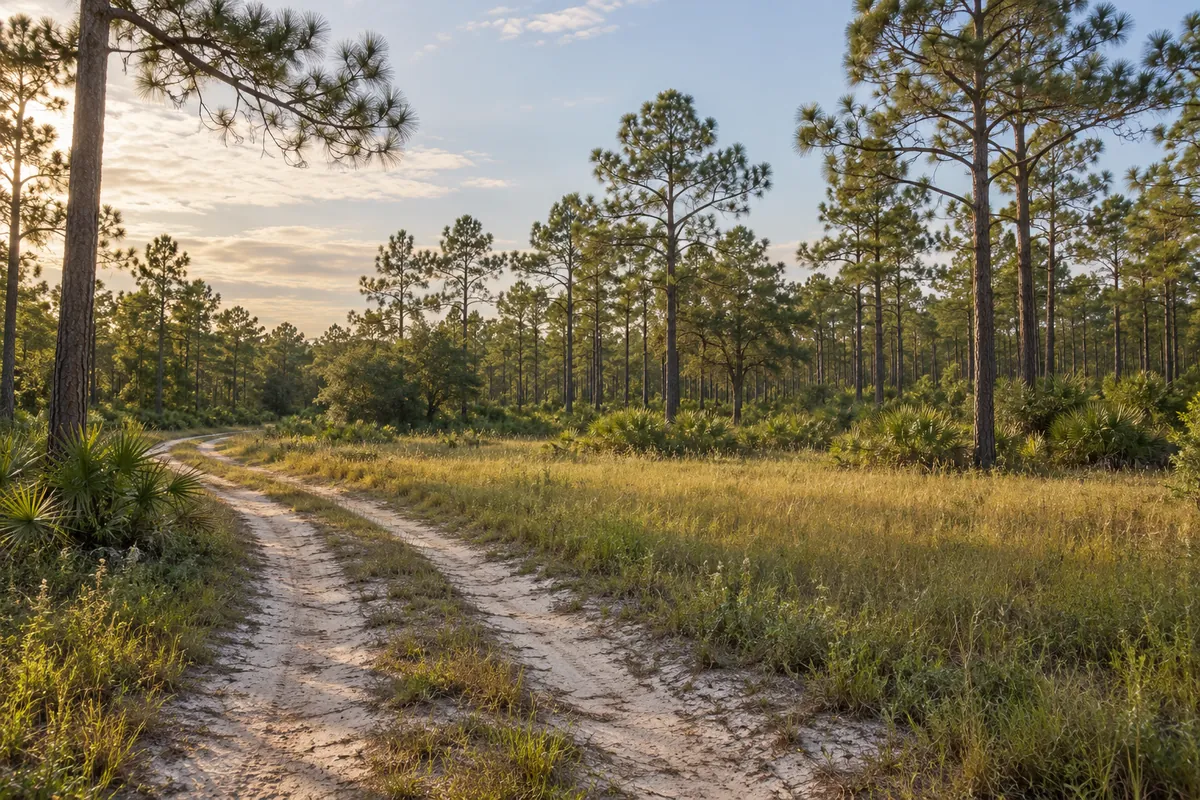
You don’t need to clear pine trees, fill low ground or put in a driveway just to ask about selling. Start with clear photos and honest details. Ask what a buyer needs before spending money on work they may not want.
Look for recent sales of land a buyer would compare with yours. Match the size, location, road access and main features. A small roadside lot and a large rural tract can draw different buyers, even in the same county.
Keep asking prices separate from completed sales. An asking price shows what an owner hopes to get. A tax value is used for taxes. Neither alone tells you what a buyer will pay today.
A local land agent or appraiser can help when good sales are hard to find. Ask which sales they used and why those match your land. If a sale included a house or several parcels, check what the price covered before using it.
Our land value guide explains how to make a simple comparison. Start with a range you can explain, rather than copying the highest price you see.
An agent can help with pricing, advertising, buyer questions and offers. Ask about their land experience, fee, listing length and who handles visits.
You manage the listing, calls, visits and negotiations. Make sure you have a clear description, safe showing plan and someone to help with the sale papers.
A direct buyer purchases the land from you. This may reduce the work of marketing it, but you should still compare the price and terms. Reelvest is one option. Tell us about your land if you’d like an offer to consider. You’re free to choose another route.
Ask for the price and costs in writing. A loan balance, unpaid taxes, agent fee or closing costs may come out of your payment. Ask which side pays each item.
Here’s a made-up example: a $75,000 price minus $5,000 in seller costs leaves $70,000 before any loan or unpaid tax balance. This is only a comparison example. It isn’t an estimate for your land.
Read when the buyer can cancel, how long they have to check the land, what happens to the deposit and the target closing date. Ask for an explanation of any unclear term before signing.
Use our land offer worksheet to put offers side by side. The largest headline price may come with more costs or more conditions.
Once you agree on an offer, ask who will handle the sale papers and payment. Give them the deed, loan details and other papers they request. Ask for a list of missing items and a written estimate of the money you’ll receive.
If you’re handling inherited land or helping settle a loved one’s estate, gather the papers you have. Ask which documents and signatures are needed. The same applies if you share the land with other owners. You can ask for help before everything is sorted out.
Before you sign the final papers, check the property description, price and costs. Know how payment will reach you. Keep copies of the signed agreement and closing papers for your records.
Start with a tax bill, parcel number, deed copy and any old survey. Add the closest road and acres if known. Missing papers can be worked on; you don’t need a perfect folder before asking for help.
Not always. Start with any survey you already have. Ask the closing team whether this sale needs a new one, who would arrange it and who would pay.
Use the Clerk’s Official Records search, rather than Court Records. Have owner names or an old deed number ready if known. Call Recording at 850-983-1966 to ask about the right copy and any cost.
Ask the closing team who needs to sign and which papers they need. Don’t assume one owner can sign for everyone. You can start by gathering the deed and names you know.
Local source links reviewed October 5, 2026.