
How to Get Ready to Sell Your Texas Land
Start with the location, a recent tax bill and the papers you already have. Then choose how to find a buyer, compare offers and work through the closing steps. You can use an agent, sell the land yourself or consider a direct buyer.
You don’t need every answer today. This guide helps you gather the useful details, avoid guesses about the land and ask the right questions before signing.
For Texas farm or ranch land, keep the appraisal notice and tax bill. If the land gets a lower farm-use tax value, ask the appraisal district what a sale or change in use could mean. Include any known cost when comparing offers.
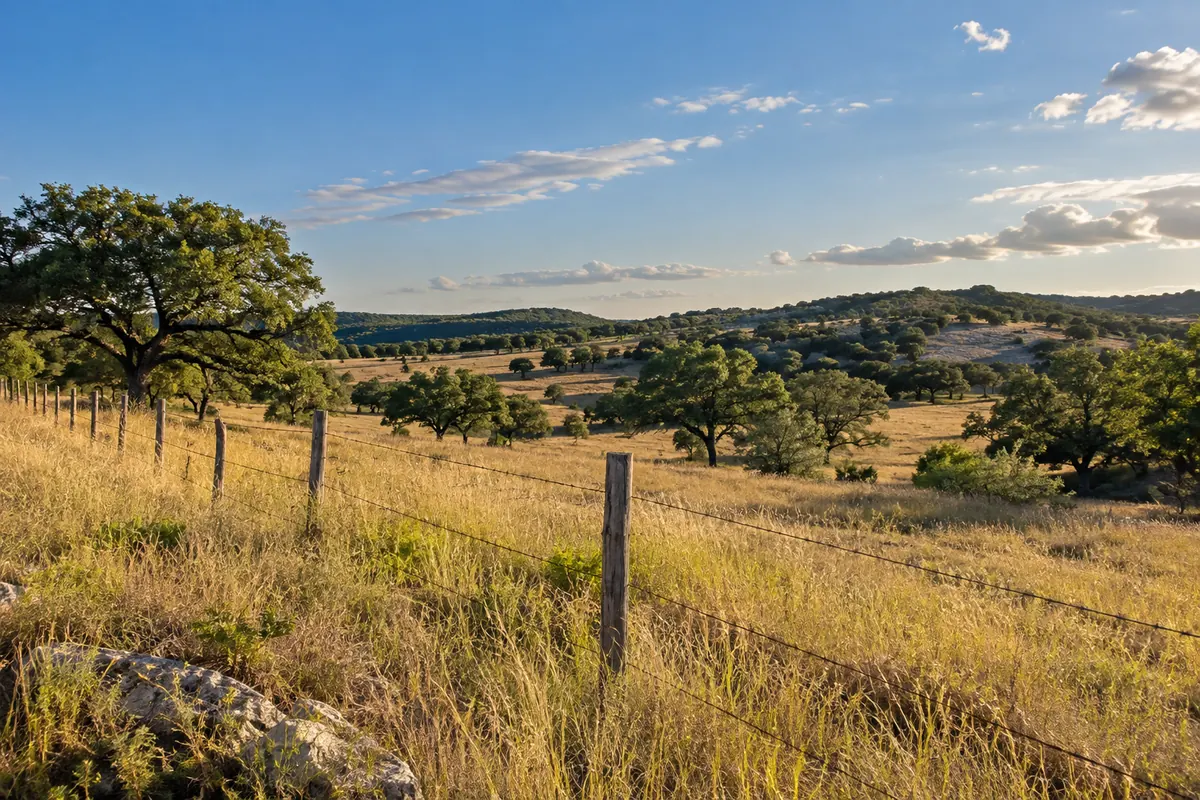
You can sell to a land buyer, work with an agent or find a buyer yourself. The right choice depends on the work you want to do, your timing and the offer you receive. This guide walks through the details that help you decide.
To get started with Reelvest, tell us about your land in Texas. Share what you know and tell us what is missing.
Find Your County’s Land Records
In Texas, start with the appraisal district for the county where your land is. This office keeps property records used for taxes. The state directory below can help you find it. You may see a number called a property ID or account number. Keep that number with the county name.
The appraisal district and tax office have different jobs. The district can help with questions about the value used for taxes and agricultural appraisal. The county tax assessor-collector can help with bills, payment options and receipts for the offices it serves. If the bill names another tax office, ask that office about its balance.
- Find your county in the directory. Use the appraisal district contact for questions about property values. Use the tax office contact for bills and payments.
- Match the number, acres and map location to your tax bill.
- If your land has more than one account number, list each one. Tell us if you think an old record leaves out part of the land.
Texas appraisal district and tax office directory. Official directory reviewed October 2, 2026.
Check Farm-Use Taxes Before Comparing Offers
If your Texas land has a lower tax value for farm use, ask about that before you accept an offer. People often call it an “ag exemption.” The state calls it special appraisal: eligible land is valued for what it can produce instead of its market value.
The Texas Comptroller’s farm-use tax guide explains the rules. A change to non-farm use can bring a rollback tax. That means paying back part of the earlier tax savings. The rules depend on the type of appraisal; some land classified as 1-d can also face a rollback when sold.
- Find your latest appraisal notice and tax bill.
- Ask the appraisal district which type of special appraisal your land has.
- Tell the district about the current use and any planned change. Ask what the buyer needs to do to qualify.
- Ask the closing team to explain any possible tax charge and who would pay it under the sale agreement.
Don’t promise that the buyer’s tax bill will stay the same. A buyer who keeps raising cattle may have different questions from one who plans to build homes. The district can check the actual facts.
When comparing offers, keep any tax estimate beside the price and other costs. If the amount hasn’t been checked, mark it unknown. That gives you a clearer view of the money you might keep.
Gather Details Buyers Will Ask About
A recent tax bill can help you identify the land. Write down the county, acres and the land’s identifying number. If there’s no street address, use a nearby road and a map pin.
- Ownership: Keep the deed and the names of anyone else who owns a share. If you’re helping settle a loved one’s estate, keep those papers too. Ask who needs to sign before agreeing to a sale.
- Access: Note how you reach the land and any written agreement to cross a neighbor’s land.
- Features: List buildings, wells, fences and other things you know about. Clear photos can help buyers understand the property.
- Other users: Keep copies of any farm lease, rental agreement or road-use agreement.
It’s okay to say you haven’t visited recently or don’t know an answer. Share what you know and keep open questions separate from confirmed facts. Our document checklist can help you sort the papers.
Check What You Owe and What You Would Keep
Do you have a loan on the land or a tax bill you have not paid? Mention it early. If you are not sure of the balance, say so. The amount may need to be checked before the sale can finish.
The sale price is not always the amount you take home. Ask for a clear list of fees, debts and other amounts that would come out of the price. Even when a buyer offers to pay closing costs, ask how loans and unpaid taxes will be handled.
For example, if you still owe money on the land, ask whether it will be paid from the sale and how that affects your check. Do not guess at the final amount from the offer price alone.
What Happens After You Find a Buyer?
- Make sure you are talking about the same land. List each piece included in the sale.
- Read the offer. Look at the price, fees, planned sale date and anything the buyer needs to check first.
- Work through open questions. The title company or attorney handling the sale can explain which papers they need and who must sign.
- Check the numbers. Ask how much you will receive after the listed costs and debts are paid.
- Finish the sale. Follow the signing and payment steps given by the company or attorney handling it.
There is no one timetable for every piece of land. Missing papers, questions about ownership or a buyer’s loan can affect the date. Ask what still needs to happen and who is working on it.
What Is Your Texas Land Worth?
A price for the whole state will not tell you much about your own land. Start with nearby land that has sold. Look for a similar size, location and road access.
- Sold price or asking price? A listing tells you what the seller hopes to get. A completed sale tells you what a buyer paid.
- Similar size? A small building lot may cost more per acre than a large stretch of land.
- Similar use? Check whether the land can be used in the same way. Road access, slopes and usable space can matter.
- Land only? A sale with a house or other buildings is not a straight match for vacant land.
- One property or several? Make sure the price is for the land you are comparing, not a larger package.
Our land value guide explains more. A buyer’s offer tells you what that buyer is willing to pay. You can compare it with other options before deciding.
Choose How You Want to Sell
Ask a land buyer for an offer
You deal with a buyer directly. Ask what land the offer covers, who pays the costs and what needs to happen before the sale closes. Read the written terms before you agree.
List with an agent
An agent can help market the land and talk with buyers. Ask about their experience with land, their fees and how they plan to find buyers. Discuss the asking price and how you will get updates.
Sell it yourself
You handle the listing, buyer questions and visits. Think about how much time you can spend on those tasks and who will help with the sale paperwork.
When you have offers to compare, use our offer calculator. It helps you see what you might keep after the costs you enter. Compare the dates and terms too.
Find Your Texas County
Choose a county below for more help, or see the full Texas county list.
- Anderson County
- Andrews County
- Angelina County
- Aransas County
- Archer County
- Armstrong County
- Atascosa County
- Austin County
- Bailey County
- Bandera County
- Bastrop County
- Baylor County
- Bee County
- Bell County
- Bexar County
More Help With Selling Your Land
Questions You May Have
Can I start getting ready without a deed or street address?
Yes. Start with the county, a recent tax bill or the land’s identifying number. A map pin and nearby road can help identify it. Ask the county recording office how to find a missing deed.
Can I sell more than one piece of land?
Tell us about each one and whether you want to sell them together. Include the county and rough size of each piece. Let us know if the owner names differ.
How do I know how much money I would get?
Ask for the offer and a list of costs in writing. Check what comes out of the price, including any loans or taxes being paid. Ask about any number you do not understand.
What should I gather first?
Start with the location, a recent tax bill and any deed or map you have. Note your questions about price and timing. You can gather more papers as you decide how to sell.
Will my Texas farm-use tax value stay the same after a sale?
Don’t assume it will. Ask the appraisal district which type of special appraisal applies and what the buyer must do to qualify. Changes in use can bring rollback taxes, and some 1-d land has sale-related rules. Check any amount before comparing offers.