
To sell your Vilas County land, find the basic records, choose a price and decide how to find a buyer. Then compare written offers and work with a closing team to finish the sale. You can begin with what you know, even if a deed or other answer is missing.
Tell us about your land. There’s no obligation to accept an offer.
Start with what you know. These steps will help you get ready and choose the way to sell that fits you.
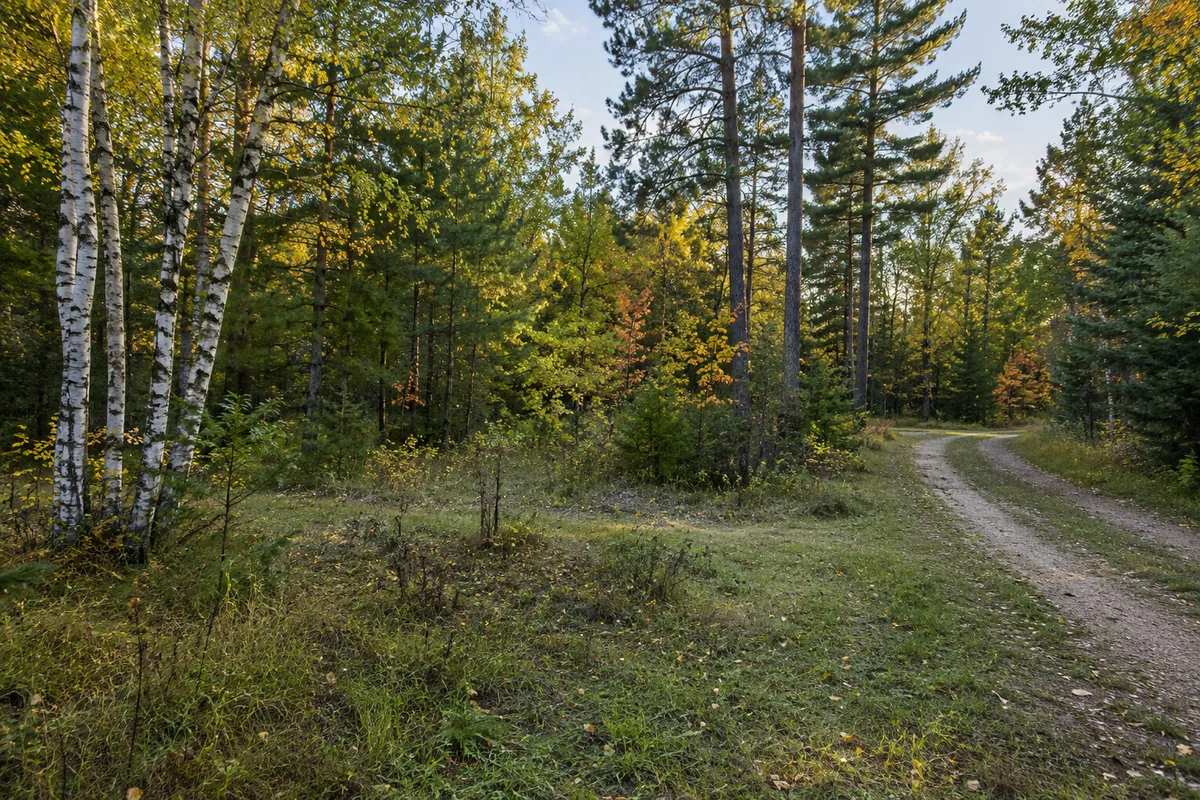
You can start without knowing every answer. Make a short list of what you know and what you still need to find.
Put your deed, tax bill and any old survey together. A deed is the paper used to transfer land. A survey shows measured boundary lines. Keep loan statements and written access agreements with them.
Write down each piece of land you want to sell. A parcel is one piece listed in county records. If you own several parcels together, list each land ID and say which ones are included.
Missing a deed? The Vilas County Register of Deeds keeps recorded land papers. Call 715-479-3660 and ask how to find the deed and get a copy. The county links to LandShark for online records. Check access and copy costs before paying.
The office keeps records; it doesn't draft your sale papers or give legal advice. Ask your closing professional who will prepare those papers.
If you're handling inherited land or helping settle a loved one's estate, gather the papers at your own pace. Ask a closing professional or attorney who needs to sign and whether more estate work is needed. You don't have to work that out alone.
Our land seller document checklist helps you sort what you already have.
Empty land may not have a street address. Use a land ID, nearest road and map pin instead. Don't use a neighbor's address as your own.
The county's Real Property Listing page links to property tax information and bills in the Ascent Land Records Suite. It also links to older tax bills. For help with the county record, call 715-479-3696. Have an old bill or deed handy if you can.
Use the county's VilasGEO map site to help show the location. Its mapping guide explains that online map lines don't replace a survey or prove ownership. If the map and your papers don't agree, point out the difference.
Save the land ID and the route you use to reach the property. Our guide to land without an address gives more ways to get started.
Start with recent completed sales that fit your land. Ask a local land agent to explain why each sale is a useful match. An asking price tells you what someone wants, not what a buyer paid.
For wooded land, compare acres, road access and usable ground in the same part of the county. A home-ready lot may draw different buyers from land with no clear entrance. If a sale included a cabin, ask how much of the price was for the building.
If your land is near water, be clear about what it includes. Land that owns shoreline, land with a written right to use a lake and land near a public landing are different. Don't call land waterfront just because the lake is close.
Ask for a price range for the whole property. A tax value or broad county price per acre won't answer what a buyer will offer for your land. If good matches are scarce, ask which missing details make the range less certain.
Read our land value guide for more help. You can also ask about an appraisal if you need a formal value opinion for a stated purpose.
Take clear, current photos of the entrance, open ground, trees and any low or wet areas. Include more than one view. If leaves or snow hide the ground, say when the photos were taken.
Explain how you reach the land. Is the entrance on a public road? Do you cross another owner's property? Share any written agreement. An easement is a right to use someone else's land for a stated purpose. Ask the closing team to check what it allows.
Tell buyers what you know about water, sewer, power and existing permits. Say when an answer is unknown. A power line nearby isn't the same as a confirmed connection. An old permit doesn't answer every new building question.
If a buyer asks about building, a lakeside use or dividing the land, share your existing papers. The Vilas County Zoning and Planning page covers land-use questions and lists town contacts. Call 715-479-3620 to ask who handles the exact location. Avoid promising that a buyer's plan is allowed without an answer for that land.
You don't need to design a house or clear the woods before selling. Before spending money on land work, ask an agent whether better photos, a clear entrance or missing records would help buyers more.
Keep any lease, timber agreement or other use agreement handy. Describe it early so the buyer knows what may continue after a sale.
There isn't one choice that fits every seller. Think about how much time you have and whether you want to handle showings. Compare the likely costs and steps, not just a promised date.
If you'd like a direct offer to compare, tell Reelvest about your land. We'll review it and let you know if we can make an offer. You're free to compare other options.
Before signing, ask for a written estimate of the money left after your costs and amounts owed. Include any seller fee, loan balance, unpaid tax and land work you agree to pay for.
Here's made-up math: a $50,000 offer minus $3,000 in seller costs and $5,000 owed leaves $42,000. Those figures are only an example, not Vilas County prices or an estimate for your land. Use your own numbers.
The Vilas County Treasurer links to tax bill and payment information and lists 715-479-3609 for help. Share any unpaid-tax notice with the closing team. Ask it to check the amount due for the planned closing date.
Use our land offer worksheet to put the answers side by side. Ask for an explanation of any term you don't understand.
Check that the agreement names the right land, price and costs. If several parcels are included, make sure none is missing. Ask for a list of the papers and signatures still needed.
The closing team reviews ownership and recorded claims, prepares the sale papers and explains payment. Review the final costs before signing. Check the money you'll receive against the terms you agreed to.
If you live outside the area, ask how signing will work. Don't assume one owner can sign for everyone. Ask what happens if a required paper or signature takes longer than planned.
Keep copies of the signed agreement and final closing papers. Our land sale agreement guide explains common questions to ask. The Wisconsin land seller guide offers more help with getting ready.
Find the land ID, acres if known and owner names. Gather a tax bill, deed and any survey you have. Compare similar completed sales, choose how to find a buyer, and read written offers before deciding.
Start with the Vilas County Register of Deeds at 715-479-3660. Ask how to find the recorded deed and get a copy. Its website links to LandShark for online records. Check current access and copy costs.
Use a land ID, nearest road and map pin. The county Real Property Listing page links to tax and property information. Call 715-479-3696 for record help. An online map is useful for location but does not replace a survey.
Explain whether the land owns shoreline, has a written lake-use right or is simply near water. These are different features. Share the papers you have and say when an answer is unknown.
Not just to begin. Start with current photos, entrance details and useful records. Ask a local land agent what would help buyers before paying for clearing or other work.
If you’re handling inherited land or helping settle a loved one’s estate, gather the deed and estate papers at your own pace. Ask a closing professional or attorney who needs to sign and whether more estate work is needed.
Compare fees, work, timing and the money you keep. An agent helps with pricing and finding buyers. Selling yourself means handling those jobs. A direct offer gives you a price and terms to compare with the other choices.
Timing depends on finding a buyer, the agreement, ownership records and required checks. Ask what remains and who must sign. Get the target date and any cancellation terms in writing.
Local source links reviewed October 5, 2026.