
To sell rural land, help buyers understand where it is, how they can reach it and what comes with it. Start with the papers and facts you already have. Then set a realistic price, choose how to find a buyer and compare written offers.
1. Make the Right Property Easy to Find
Rural land may have no street address. Find the county, state and land ID on a tax bill or deed. Keep those together so a buyer or local office can find the right tract.
If you use a map pin, check it against the records and the entrance you know. Don’t place a pin at a neighbor’s driveway just because the map sends you there. Our guide to land without a street address explains how to start with a land ID.
If you own several tracts, label each one. Decide whether you’re selling them together. A buyer should not have to guess which acres are in the offer.
2. Gather the Papers You Have
Start with the deed, current tax bill and any survey. Add written leases, access agreements or restrictions you already know about. Save copies and keep the originals safe.
You don’t need every paper before asking about a sale. Write down what is missing and ask the closing office where to get it. If you share ownership, make a list of the other owners. If you’re helping settle a loved one’s estate, ask who can sign before accepting an offer.
Our seller document checklist gives you a simple place to start.
3. Explain the Entrance and Road Access
Tell buyers how you reach the land now. Is the entrance on a public road, or do you cross another property? Share any written access agreement. A path you have used for years and a legal right to use it are different questions.
Note anything a visitor should know: a locked gate, a rough stretch, a seasonal washout or where it is safe to park. Don’t promise year-round access if you haven’t checked it. If access is unclear, ask the closing professional to review the papers.
This helps buyers plan a visit and understand a real issue early. It does not mean you must build a new road before selling.
4. Say What Comes With the Land
Write down buildings, fences, wells and other items you think are included. Also list items you intend to remove. Don’t leave a tractor, trailer or stored equipment to a guess.
If someone farms, hunts or grazes animals there, find the agreement and share its terms. Ask a professional how the sale affects that use. Don’t promise the land will be empty by closing unless the agreement supports it.
Tell the closing office about any timber, mineral or other rights papers you have. The deed and related records need review before you promise a right you may not own. For a working farm or timber tract, our farmland and timberland guides explain those special questions.
5. Take Photos That Answer Buyer Questions
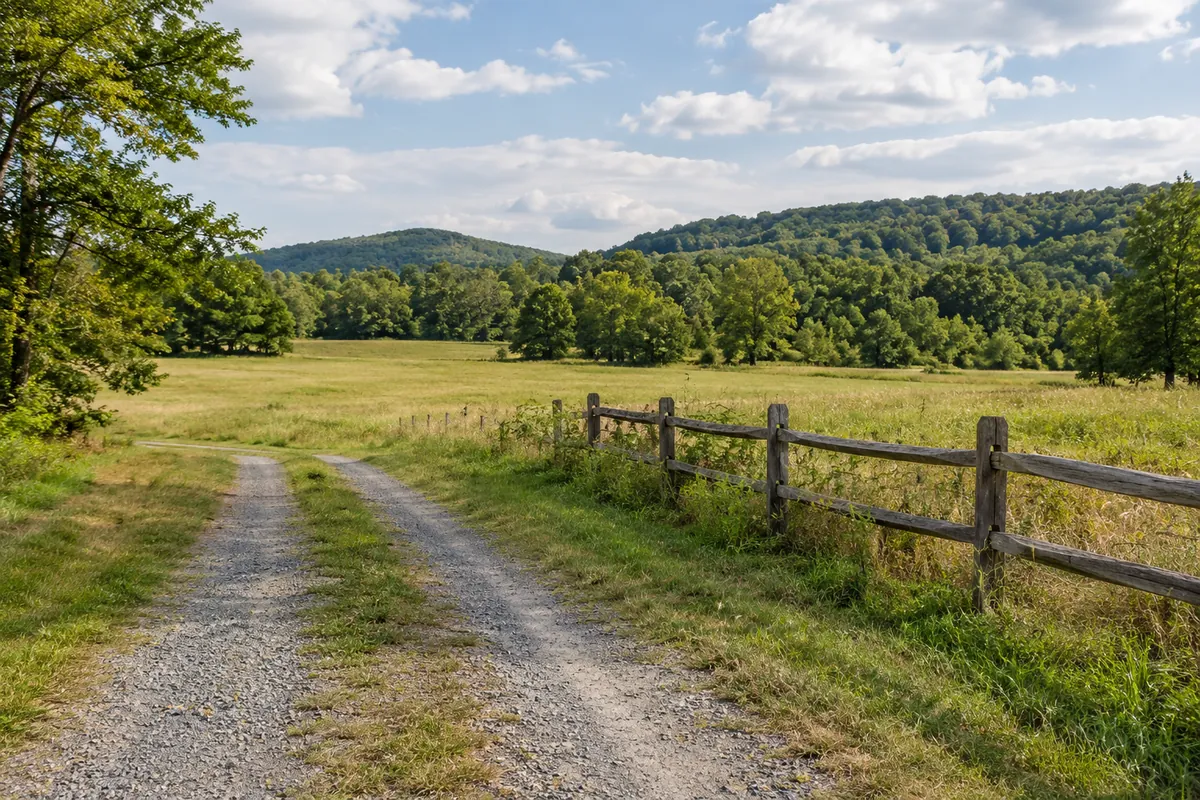
Useful rural land photos show more than a pretty view. Include the entrance from the road, the route in, open areas, wooded areas and any structures in the sale. Add a wider view if you can take it safely from your own land.
Use recent photos and keep the date. If a pond, stream or road changes with the seasons, say so. Avoid making a dry-season photo look like proof that an area never gets wet.
Show known issues as well as highlights. A clear photo of a rough entrance gives a buyer something real to assess. Don’t cover it up with a scenic photo from elsewhere or claim a generic image shows your tract.
6. Set a Price From Similar Completed Sales
Look for land that actually sold, not only land advertised nearby. Compare the date, acreage, access, setting and what was included. A tract with a house may be a poor price match for bare land.
USDA’s farmland value research shows broad differences by region and land use. Farm real estate includes land and structures. Those averages are background, not a price for your rural tract.
Ask a local land agent or appraiser to explain the best matches and what is different. Keep the source and date for each sale. If few good matches exist, work with a range rather than pretending one broad price per acre is exact.
If you want more help, our land value guide walks through the comparison.
7. Describe Known Uses Without Making Promises
Say what you know: an open field, a wooded slope, an existing well or a current farm lease. Separate that from what a buyer hopes to do later.
For example, “power lines run along the road” is more useful than “ready to build” when you don’t know connection costs or home-site approvals. If a buyer asks about a new use, point them to the county planning office and the records you have.
The USDA Web Soil Survey provides soil information that can help with land-use questions. Share it as background where relevant. It does not replace checks for one planned home or prove your parcel has all needed approvals. You don’t have to design the buyer’s project to start selling.
8. Choose Who Will Handle Marketing and Visits
You can work with a land agent, sell it yourself or compare a direct offer. Ask an agent how they would reach buyers for this type of land, arrange visits and keep you informed. Get the fees and agreement terms in writing.
If you handle the sale yourself, decide how you will answer questions and show the property. Give visitors clear directions and permission to enter. Keep the visit on your land, respect any current user and explain gates or animals before someone arrives.
If you live elsewhere, a trusted local helper may be useful for photos and visits. Our online selling guide helps you put together a listing. A direct buyer may reduce that marketing work, but compare the actual terms before choosing.
9. Ask Before Paying for Big Improvements
Don’t assume clearing woods, building a road or dividing the tract will earn back its cost. Ask a local professional what buyers need and what the work would change.
Start with simple tasks that make the land easier to understand: sort records, take clear photos and describe the entrance. Get written quotes for larger jobs. Ask whether the work is needed for your selling plan or mainly for a future buyer’s use.
A survey may help with an unclear boundary. Clearing may help show an existing route. Neither is a universal requirement before you talk with an agent or buyer. Spend for a clear reason, not because a checklist says every seller must do it.
10. Compare Offers and Prepare for Closing
Ask each buyer for the price, costs they expect you to pay, checks they still need and proposed closing date. A higher price may leave you with less after costs. Use our offer comparison worksheet to look at written terms side by side.
Ask the local closing office who must sign and which papers it needs. Share known access, lease and ownership questions early. Review the final cost breakdown before signing. If you live far away, ask how signing from home would work rather than assuming you must travel.
If you’d like a direct offer to compare, tell Reelvest about your land. Start with what you know. You can decide whether an offer fits your plans after you see the terms.
Questions About Selling Rural Land
Do I need a street address to sell rural land?
No. Start with the county, state and land ID from a deed or tax bill. Check any map pin so buyers find the right property and entrance.
Should I clear the land before listing?
Ask what problem clearing would solve and get a quote first. It may not be needed. Records, clear photos and an honest description can help you start without a large project.
Can I use a nearby listing to set my price?
It gives you context, but it shows what a seller wants, not what a buyer paid. Look for comparable completed sales and check acreage, access, buildings and sale dates.
What if the land is leased?
Find the written lease and share it with your agent, buyer and closing professional. Ask how the sale affects it before promising that a buyer can use the property right away.
How do I handle visits if I live elsewhere?
Ask a land agent or trusted local helper about photos and visits. Give clear directions and permission to enter, and explain gates, animals and known road issues.
What should I do this week?
Find a tax bill or deed, write down how you reach the land and take or arrange recent photos. Then ask a land agent or buyer what else they need to discuss a sale.
Source links reviewed October 5, 2026.