
Start with the land’s location and the papers you already have. Then choose how to find a buyer, set a price and compare offers. You don’t need every answer before you can ask about selling.
Tell us about your land. There’s no obligation to accept an offer.
Start with what you know. These steps will help you get ready and choose the way to sell that fits you.
Find a tax bill, old deed or saved map. Write down the parcel number, about how many acres you own and the town or village where the land lies. A parcel number is the county’s number for a piece of land. List each one if several pieces will be sold together.
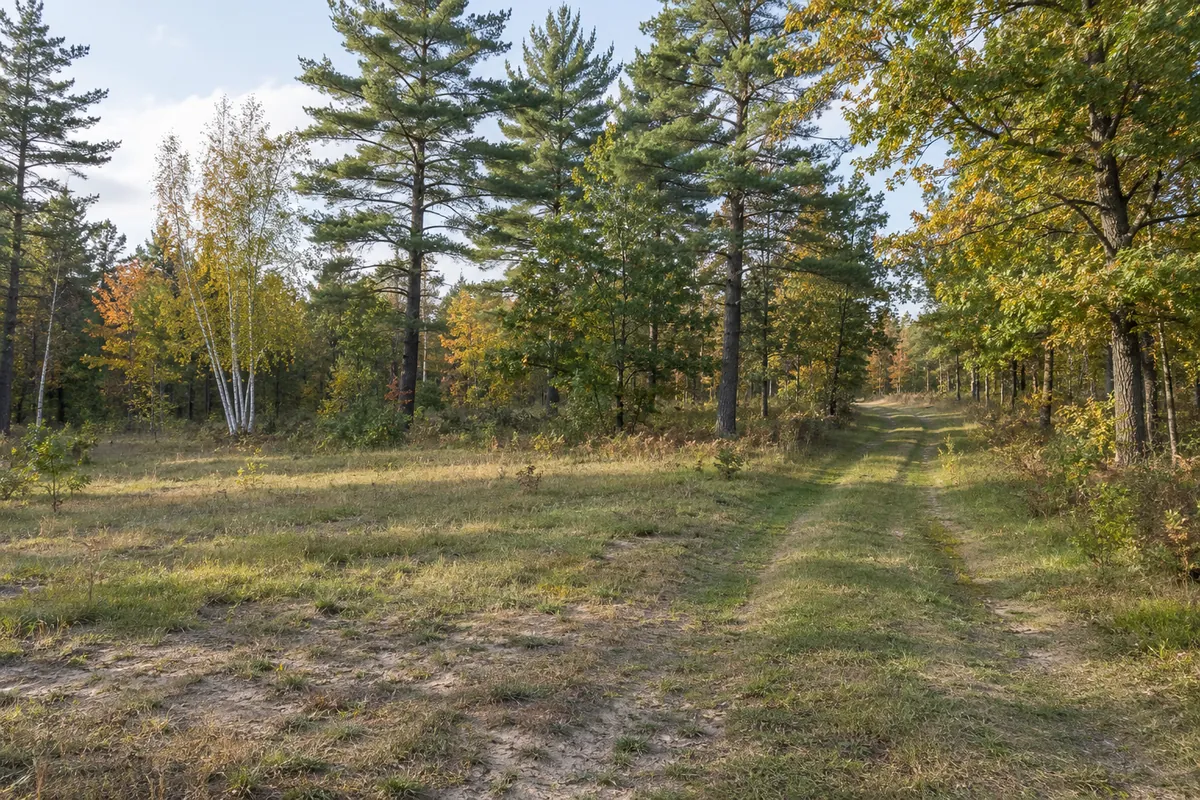
Make a short note about the nearest road and how you reach the land. Is it mostly open, wooded or a mix? Does it have a cabin, shed or other building? Say what will come with the sale.
Keep any old survey or well and septic papers you already have. A survey shows land boundaries. A septic system handles household wastewater. Empty land may have none of those papers, and that’s okay. You can still ask about selling.
If you’re helping settle a loved one’s estate, keep the land and estate papers you have. Ask the person helping with the sale who needs to sign and what else is needed. Start with what you know rather than waiting to find every answer.
Adams County has tools for tax details and maps, plus a separate office for recorded deeds. Use the tool that fits the detail you’re missing:
You don’t need an ongoing search service just to start a sale conversation. The Register of Deeds describes Laredo as a program for frequent searches. Ask for help with your one deed before deciding whether to use it.
The Register of Deeds is at 401 Adams Street, Suite 12, in Friendship. Have the owner name and any document number or old copy ready when asking for help. Don’t guess if you don’t have those details.
Use a county map to help locate the land. It doesn’t mark exact boundary lines on the ground. And a tax record alone doesn’t replace the ownership review needed for closing.
You have a few choices. Think about how much work you want to handle and how soon you hope to sell.
You don’t have to pick the first option you hear about. Ask questions and get the important details in writing. A direct buyer’s offer and a price you might get by waiting for another buyer can be different.
Start with recent completed sales of similar land. Ask a land agent which nearby sales are useful matches and why. Compare the location, size, road access, ground and what the sale included.
A small lot near homes can be a poor match for a larger wooded tract. Land with a cabin or other building can also give a misleading empty-land price. Ask whether more than one parcel was included.
Active listings show what sellers hope to get. Tax values serve a different purpose. Neither is proof of what a buyer will pay for your land today.
If there are few close sales, ask how that affects the price range. Before paying for clearing, a new survey or other work, ask whether it’s likely to help the sale. You can ask about a price before ordering new work.
For more help with comparisons, see our guide to choosing a land price.
Clear information can save a lot of back-and-forth. Share a map, a few recent photos and a plain description. If the road name is hard to find, explain the turn and whether visitors need a gate code or permission. Arrange visits so people know where they can go. Say how visitors can reach the land and whether they need permission to use a shared road or driveway.
Mention any lease, shared ownership, loan or unpaid taxes you know about. Keep copies of useful papers. You don’t need to post personal estate papers or loan details in a public ad; share them with the person helping check the sale when needed.
Don’t promise that a buyer can build or split the land if you haven’t checked that. If you have an old approval or test result, share the document and its date. Let the buyer ask about their plans.
If you’re unsure about a detail, “I don’t know yet” is a useful answer. It gives the agent, buyer or closing team a clear question to check.
Ask for a written offer that identifies the right parcel or parcels. Check the price, seller costs, deposit, planned closing date and any conditions that let the buyer cancel.
A higher price doesn’t always leave you more money. Here’s a made-up example: a $120,000 offer with $10,000 in seller costs leaves $110,000 before other amounts owed. A $114,000 offer with $4,000 in seller costs also leaves $110,000.
Include loan balances and unpaid taxes when estimating your payment. Ask the closing team to check the amounts rather than assuming the offer covers them.
Also ask what work you’re expected to do before closing. A request to clear land or pay for a new survey can change the deal. If a term is unclear, ask someone to explain it before you sign.
Our land offer comparison worksheet can help you put the offers side by side.
Closing is the step where the sale papers are signed and payment is handled. Ask who will manage it, who needs to sign and how your payment will reach you.
The closing team checks ownership records and prepares the needed papers. If you share the land or are handling an estate, ask which signatures and documents are still needed before treating a date as final.
Review the written cost breakdown before signing. Check that the property details and price match your agreement. Ask about any difference you see.
Keep a copy of the signed agreement and closing papers. Missing records or unresolved questions can affect timing, so ask for a target date and the steps still left to finish.
The land seller document checklist can help you keep the basics together.
Tell us where your land is and what you know about it. A property ID, map or tax bill can help us find the right place. Start with what you have.
We’ll review the details and let you know if we can make an offer. You can ask questions and compare it with selling through an agent or finding a buyer yourself. You decide whether it works for you.
Tell us about your land, or read the Wisconsin land seller guide for more general selling help.
Start with a tax bill, old deed or parcel number, the town or village, and about how many acres you want to sell. Keep maps, surveys or well and septic papers you already have. You can ask questions before finding every document.
Start at the county Land Records site. It lists tax searches by address, parcel ID and municipality. The county GIS page links to maps and lists 608-339-4546 for help.
Not just to start asking about selling. The Register of Deeds lists several search choices. Call 608-339-4206 to ask which choice fits a one-time copy request and what fees apply.
The County Treasurer page lists 608-339-4202. Ask about the right parcel and tax year. Have the closing team check what must be paid when the sale finishes.
Keep the land and estate papers you have. Ask the person helping with the sale who can sign and which documents are needed. You can begin asking about selling while those questions are checked.
No. These steps can help you prepare to work with an agent, sell yourself or compare a direct offer. Choose the way that fits your needs.
Local source links reviewed October 5, 2026.