
To sell your Fayette County land, gather the basics, compare similar sales and choose how to find a buyer. Then compare written offers and work with a closing team to finish the sale. Start with what you know; you don’t need every paper or answer before asking questions.
Tell us about your land. There’s no obligation to accept an offer.
Start with what you know. These steps will help you get ready and choose the way to sell that fits you.
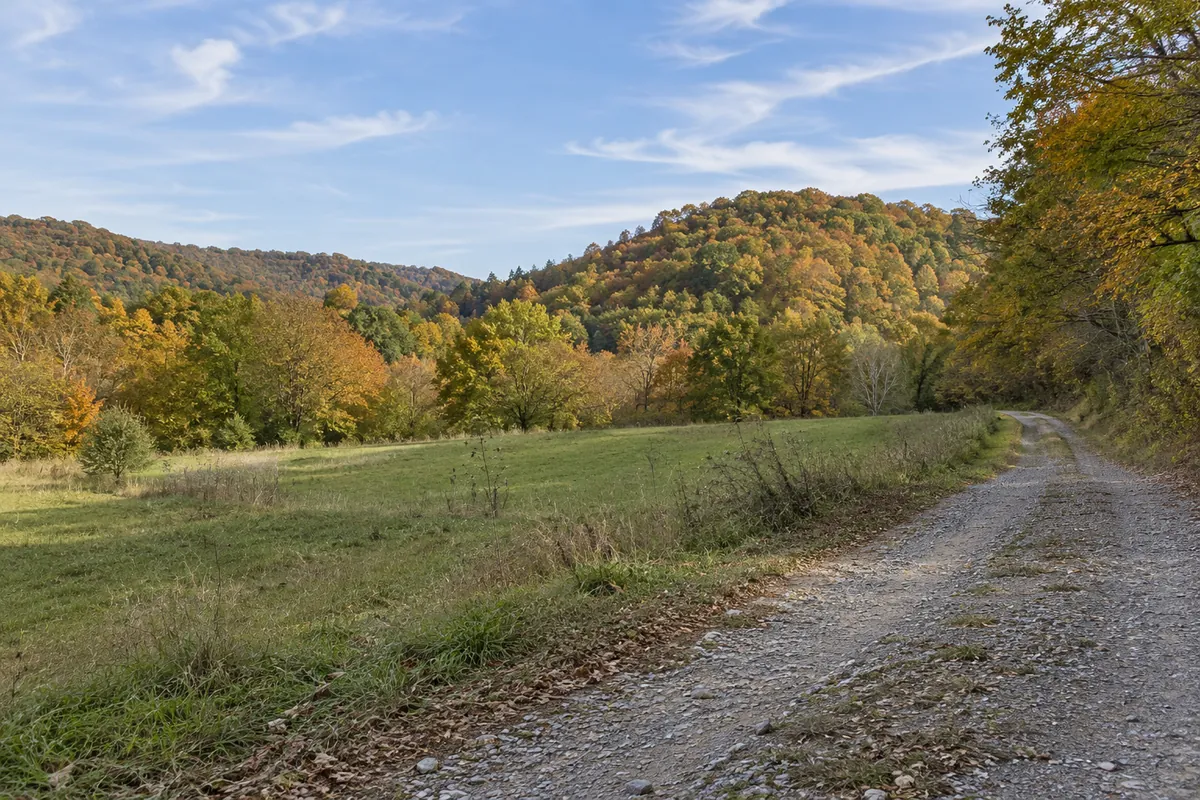
You can start with what you know. You don't have to find every record or pay for major land work before asking about selling.
A deed is the paper used to transfer land. Keep your copy with any survey, tax bill, loan statement and access agreement. Write down each land ID included in the sale. A parcel is one piece of land in county records.
Also keep permits, soil tests, service letters or rent agreements you already have. You don't need to make a new set just to start. Our land seller document checklist helps you sort the useful papers.
Missing your deed? The Fayette County Clerk keeps deeds and other recorded papers. Its page lists an online index with deeds from 1981 onward. Call 304-574-4225 to ask how to find an older record or get the copy you need. Check copy fees before paying.
If you're handling inherited land or helping settle a loved one's estate, gather the deed and estate papers at your own pace. The Clerk also handles estate matters and lists 304-574-4327 for an appointment. A closing professional or attorney can explain who needs to sign before you set a firm closing date.
Write down the closest road, acres if known and the route you use to reach the land. If it has no street address, use a land ID and map pin. Don't borrow a neighbor's address and call it yours.
The Fayette County Assessor lists 304-574-4240 for real-estate questions and 304-574-4353 for mapping help. Start with a tax bill or deed if you need help finding the county record.
The county's property-search and map page explains that its parcel maps are for tax assessment and aren't surveys. They can help locate land, but don't use a map line to settle an exact boundary. Note any mismatch between the record and your papers.
Our guide to land without an address gives more ways to get started. If you own several pieces together, keep their IDs in one list and say whether you want to sell all of them.
Ask a local land agent for a few recent completed sales that fit your property. Compare the actual area, acres, entrance, ground and what was included. Keep asking prices separate from prices buyers paid.
A small ready home lot and a larger wooded hillside may draw different buyers. A sale with a house or several parcels may be a poor match for empty land. Ask why each sale fits before multiplying your acres by its price per acre.
Ask for a range for the whole property and an explanation of what could change it. A value used for taxes isn't a fresh offer from a buyer. If there aren't enough good matches, ask which unknowns make the range wider.
Our land value guide explains the next steps. For a formal value opinion for a stated purpose, ask about an appraisal. Don't treat a broad county average as the answer for your land.
Take current photos from the entrance and different parts of the land. Describe open ground, wooded slopes, gates and low or wet areas you know about. A buyer should understand how they can reach the property.
If access crosses someone else's land, share any written agreement you have. An easement is a right to use another person's land for a stated purpose. Ask the closing team to check what it allows. A worn path alone doesn't answer that question.
Share existing soil reports, septic permits and service answers. A septic system handles household waste where sewer service isn't used. If you don't know whether a buyer can connect to water, sewer or power, say so. A line nearby doesn't settle the cost or connection.
If a buyer asks about a home site, business use or possible split, the Fayette County Zoning Department lists 304-574-4320 for questions. Ask which office and rules apply to the exact location. You don't need to design the buyer's project before selling.
Keep any lease or other use agreement handy. If your deed mentions mineral or other separate rights, show the wording to your closing team. Don't promise rights you haven't checked. Before clearing or grading, ask an agent whether better photos and records would help more.
Choose the approach that fits your time, comfort and goals. Ask what work each choice leaves for you. You don't have to accept the first offer just because the buyer is ready to talk.
If you'd like a direct offer to compare, tell Reelvest about your land. We'll review it and let you know if we can make an offer. You decide whether it fits.
Get the price and terms in writing. Ask for an estimate of the money left after seller fees, closing costs, loans and unpaid taxes. Include any survey or land work you agree to pay for.
For made-up math, a $45,000 offer minus $2,500 in seller costs and $4,000 owed leaves $38,500. Use your own figures. These aren't Fayette County sale prices or an estimate for your land.
The Fayette County Tax Department links to property tax records and lists 304-574-4219 for help. Share any past-due notice promptly. Ask the closing team to check the amount due for your planned closing date.
Our offer comparison worksheet helps you put answers side by side. If a term is unclear, ask for an explanation before signing.
Before signing a sale agreement, check that it covers the right land and agreed price. A closing date is a target until required checks and signatures are ready. Ask for a list of what remains and who will handle each item.
The closing team reviews ownership and recorded claims, prepares the sale papers and explains signing and payment. Ask for the final costs and amounts owed. Check the money you will receive against the terms you agreed to.
Keep copies of the signed agreement and closing papers. If you live elsewhere, ask how signing will work. Don't assume all owners can use the same method or that a missing signature can be skipped.
For more preparation, read our land sale agreement guide and West Virginia land seller guide. You can ask questions and compare options before deciding how to sell.
Gather the location, acres if known and owner names. Keep a tax bill, deed or old survey handy. Compare similar completed sales, choose a way to find a buyer, then compare written offers and closing steps.
Yes. Begin with what you know and note what is missing. The County Clerk can help you find the record route, and the Assessor can help with county property information. Ask your closing team which papers it needs.
The Fayette County Clerk keeps deeds and lists an online index with deeds from 1981 onward. Call 304-574-4225 about finding an older record or getting a copy. Check current copy fees first.
Gather the deed and estate papers at your own pace. The County Clerk lists 304-574-4327 for an estate appointment. A closing professional or attorney can explain the papers and signatures needed for a sale.
Use a land ID, nearest road and map pin. The Assessor lists 304-574-4240 for real-estate questions and 304-574-4353 for mapping help. County map lines do not replace a survey.
Ask what work, fees and timing each choice involves. An agent helps with pricing, ads and visits. Selling yourself means handling those jobs. A direct offer gives you one price and set of terms to compare.
Share the bill, notice or loan statement with your closing team. Ask it to check the amount due and how it will be paid. Compare the money left after those amounts and any seller costs.
Timing depends on finding a buyer, the agreement, ownership records and required checks. Ask what remains, who must sign and what could change the target date. Get those terms in writing.
Local source links reviewed October 5, 2026.