
Your land’s value depends on what a buyer can use it for and what similar land has sold for. Compare size, slope, road access and known services. A small home lot, pasture and wooded hillside may need different matches. One countywide price per acre won’t answer those questions.
Find the Property Record and Which Land Is for Sale
Start with a tax bill, deed or old map. Note the property number, acres and which pieces you want to sell. If a house or barn is included, write that down too.
The Pulaski County Assessor links to the county parcel viewer and digital property record cards. Its page says you can search by owner name, address, property number or account number. Use those records to help locate the land and check the details.
The county explains that online maps and records are general information. Recorded deeds and survey maps are the sources for official details. If your deed is missing, the Commissioner of the Revenue page directs owners to records at the Clerk of Court. Ask about a copy before you pay for new work.
Choose Sales With Similar Ground and Access
Ask a local land agent for recent completed sales a buyer would compare with yours. Ask what makes each sale a match and what makes it different. Keep active asking prices separate.
- Size. Compare small lots with small lots and larger tracts with larger tracts. Look at the total price as well as price per acre.
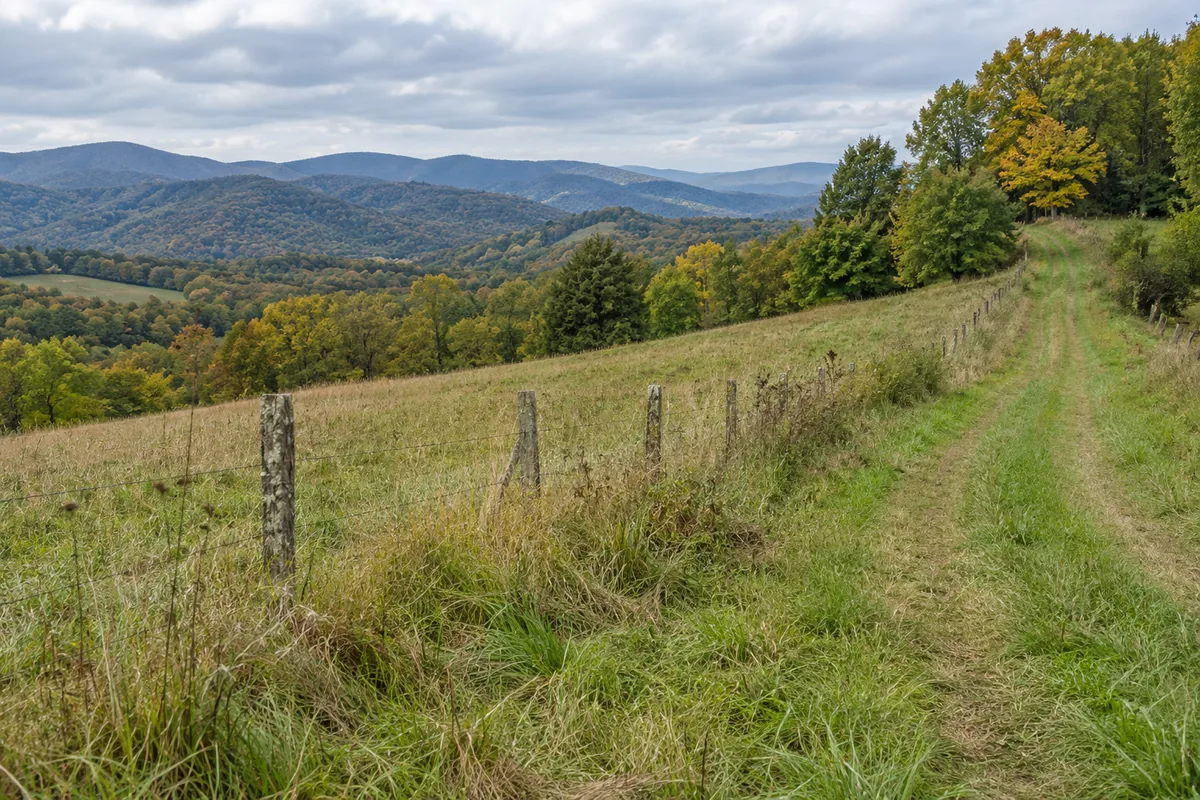
- Slope. A flatter field and a steep wooded hillside may suit different buyers. Describe the ground you know rather than assuming all acres are alike.
- Entrance. Explain whether you reach the land from a public road or cross another property. Share any written access agreement you have.
- Use and buildings. Pasture, woods and a home lot may need different matches. Keep sales with houses separate from vacant land.
If someone farms, grazes or hunts on the land, share any agreement you have. Let the buyer and closing professional review how that use would fit the sale.
Check Service Information Without Planning a Buyer’s Project
The county’s GIS page links to a Public Service Authority availability map. It describes information on service availability, connection fees and rates. That can help you point a buyer toward useful information.
A map or nearby line doesn’t prove a connection at your exact land or its final cost. Share old bills or service papers you have, and let the buyer check what their plans need. You can ask about selling before every service question is answered.
For a well, pond or wet area, describe what you know. For woods, explain the entrance and any known tree-cutting agreement. You don’t need to clear trees, order reports or choose a home site for the buyer before the first conversation.
Keep Sale Prices and Tax Values Separate
For each useful sale, write down its date, total price, acres and differences from yours. Count each transaction once. If one price covers several pieces, don’t assign that full amount to every piece.
As a made-up example, 25 acres sold for $125,000 equals $5,000 per acre. That doesn’t make a nearby one-acre home lot worth $5,000. Its size, entrance and known services may meet a different need.
The county’s revenue page says new assessment values are scheduled to take effect January 1, 2027. A new assessment notice is a tax record, not a completed sale or a promise of today’s market price. Compare useful recent land sales and ask an agent to explain a price range.
If the matches are weak, keep the range uncertain or consider a land appraiser. Don’t fill the gap with an unrelated county average.
Compare the Money You Keep and the Offer’s Terms
You can list with a land agent, sell on your own or compare a direct offer. An agent helps price and market the property for a fee. Selling yourself means handling ads, questions and visits. A direct buyer such as Reelvest gives you another option to weigh.
Read the price, deposit, buyer’s inspection time and closing date. Ask what allows cancellation and who pays each cost. Estimate the money you keep after seller costs, unpaid taxes or a loan balance.
Use our land offer worksheet to compare the terms. The Pulaski County seller guide covers preparation and closing. If you’re handling inherited land or helping settle a loved one’s estate, an attorney or closing professional can help work out which papers and signatures are needed.
If you want a direct offer to compare, tell Reelvest what you know about your land. You decide whether it works for you.
Questions About Pulaski County Land Value
Is the new tax assessment my land’s selling price?
No. It is a tax record. Compare recent completed sales of similar land to discuss what a buyer may pay today.
Can I compare hillside land with a flat home lot?
They may serve different buyers. Compare size, slope, road access and known services, and ask an agent why each sale is a useful match.
Where can I start checking public service availability?
The county GIS page links to a Public Service Authority availability map. Use it as a starting point, then have the buyer check the exact property and connection needs.
Do I need to clear the land before asking about selling?
You can start with the land as it is. Share photos and what you know, and ask whether clearing would help your sale before paying for it.
Local source links reviewed October 4, 2026.