
Start by finding your land records and gathering the papers you have. Check which city or county office handles your tract. Then compare prices and selling options, read the written offer and get help with closing. You can use an agent, sell yourself or compare a direct offer.
Tell us about your land. There’s no obligation to accept an offer.
Start with what you know. These steps will help you get ready and choose the way to sell that fits you.
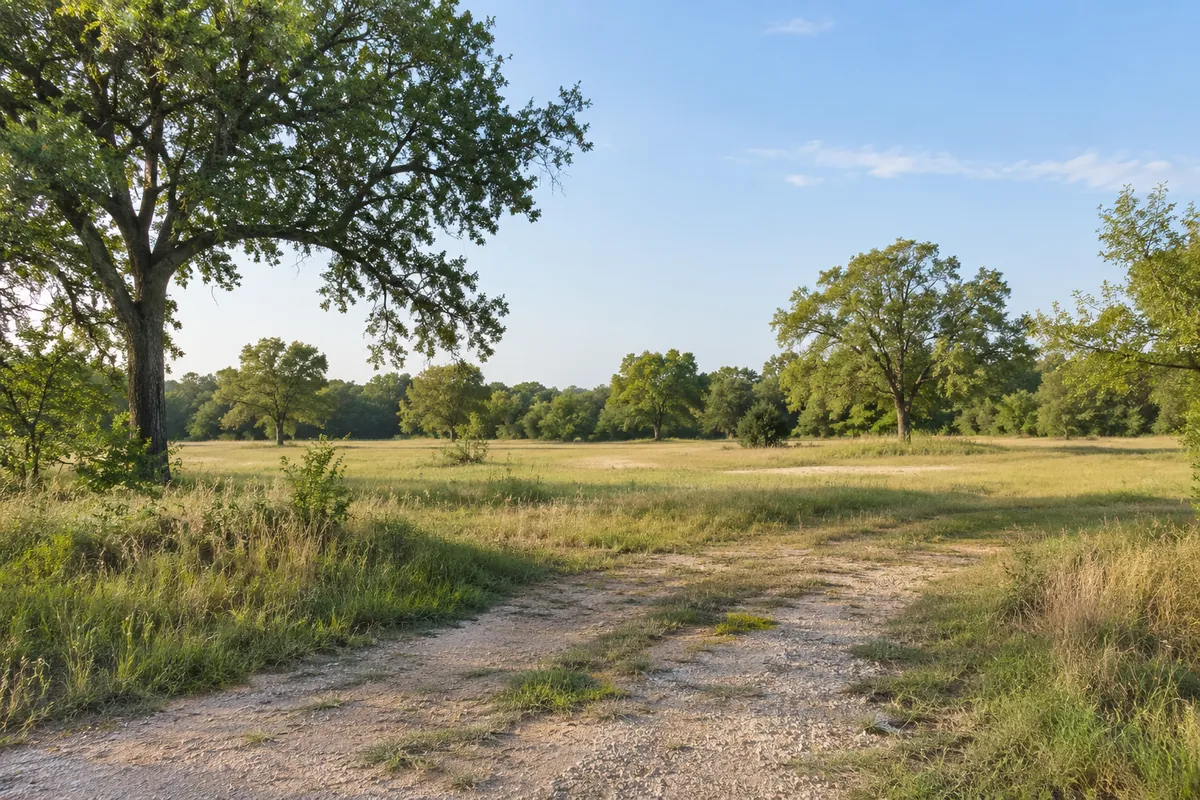
Start with a tax bill, deed or old survey. Write down the acres and the road name. If there’s no street address, add a map pin. Keep separate notes for each tract you own.
The Dallas Central Appraisal District, often called DCAD, keeps property accounts and a parcel map. Its map help page explains searches by account number, property address or owner name. The account number has 17 digits. Check the land details against your papers.
Be careful with the owner’s mailing address. It can be in a different city from the land. The map’s city information can help you start, but its labels use the parcel’s center point. Check with the local office if a city line may cross your tract.
Use the map to find the land, then use your deed and any survey to check what you own. A map line alone does not settle a boundary question.
You don’t need a perfect folder to start asking about selling. Put these items together if you have them:
The Dallas County Clerk’s recording page links to the public record search for deeds and other filed records. The ordinary search provides non-certified copies; certified documents use a separate service. Ask the person handling your closing which copy they need. The recording office lists 214-653-7099.
A title company or attorney who handles land sales can help check ownership records and who needs to sign. If several people own the tract, talk about the sale together before setting a firm date.
If you’re helping with a loved one’s estate, start with the papers you have. Explain where things stand and ask what is needed next. You don’t have to know every answer right away.
Dallas County includes many cities. The rules for your land depend on where it sits, not just the county name on a listing.
Inside city limits: Ask that city about land-use rules, building questions and permits. Tell them the account number or show them the map. Ask about the buyer’s actual plan—for example, a home, a shop or storing equipment.
Outside city limits: The county calls this an “unincorporated area.” Start with the county’s applications and permits page. It explains that county permits apply to land outside cities and tells owners inside cities to contact their city instead.
The county’s zoning page also explains this split. Zoning means rules about how land can be used. Land outside a city still has rules, including checks for flooding, land splits and septic systems.
If you want to sell only part of a tract, ask the right office what a split would need before advertising a new lot. A drawing on a listing does not make a separate lot ready to sell.
For county development questions, the Public Works page lists 214-653-6568. Ask staff which office handles your parcel and your question.
You don’t have to prepare a finished home site to sell land. A clear picture of what is known helps buyers decide whether to look closer.
Don’t spend money clearing, adding fill or putting in a driveway just to make the listing look ready. First ask whether buyers need that work and whether it needs approval.
For land outside cities, the county’s permit page lists separate applications for work such as grading or fill, driveway and culvert work, and utility meter releases. It also offers a meeting with staff before an application. Selling land and improving it are different steps.
It’s fine to say “not checked yet.” That lets a buyer plan a check without relying on a guess.
Ask a land agent for recent completed sales near your tract. Look for similar size, road access and usable ground. Check whether each sale included buildings or several parcels.
Active listings show what buyers can choose from. Their asking prices are not completed sale prices. An appraisal account’s tax value is also different from an offer for your land.
A small lot near services may have a very different price per acre from a larger tract with no connections. Ask why a sale is a good match before using it to set your price. Our land value guide can help you organize the questions.
Then compare the ways to sell:
If you’d like a direct offer to compare, tell Reelvest about your land. We’ll review the details and let you know if we can make an offer. You choose what fits your plans.
Check that the agreement names the correct land. Read the price, deposit, review period and target closing date. Ask when the buyer can cancel and who pays each cost.
A higher price may leave you with less money if you pay more fees. Ask the closing company for an estimate that includes any loan payoff or unpaid taxes.
Made-up example: A $50,000 offer with $3,000 in seller costs leaves $47,000 before a loan or unpaid taxes. Another buyer may cover some costs. Read both offers carefully so you don’t count the same charge twice.
Use our land offer worksheet to keep the choices side by side. If a term is unclear, ask what it means before signing.
Once you have an agreement, the closing professional checks the ownership records, amounts owed and papers needed to transfer the land. Ask what is still open, who must sign and what could affect the date.
Show them any old survey, access agreement or estate papers early. If another record is needed, you can plan for it rather than finding out at the last moment.
Before closing, confirm the final costs, the payment method and the papers you’ll sign. Keep copies of the agreement and finished closing papers.
Our seller document checklist helps you gather what you have. You can also read the Texas land seller guide or ask Reelvest about a direct offer.
Start with the DCAD account number, a tax bill, a map pin and the closest road. Match those details to your deed and any survey. Don’t guess an address for empty land.
If the land is inside city limits, start with that city. Outside city limits, start with the county’s unincorporated-area permit office. Give them the parcel details and ask about the buyer’s actual plan.
First ask whether likely buyers need it. Check with the correct local office before doing work that may need a permit. Clearing or adding fill does not by itself make land ready for a home.
It is background information, not a current offer. Compare similar completed land sales and ask a local land agent how differences in access, services and usable ground affect the price.
Yes, you can start gathering papers and asking questions. Explain where things stand to the closing professional. They can help identify the records and signatures needed before a sale can close.
No. This guide can help you prepare for a sale with an agent, on your own or to a direct buyer. Contact Reelvest if you’d like an offer to compare.
Local source links reviewed October 5, 2026.