
To sell a vacant lot in Philadelphia, first find the right lot and gather your ownership papers. Then check the lot’s details, choose how to sell and compare the money you’ll keep. Here’s how to get started.
Tell us about your land. There’s no obligation to accept an offer.
Start with what you know. These steps will help you get ready and choose the way to sell that fits you.
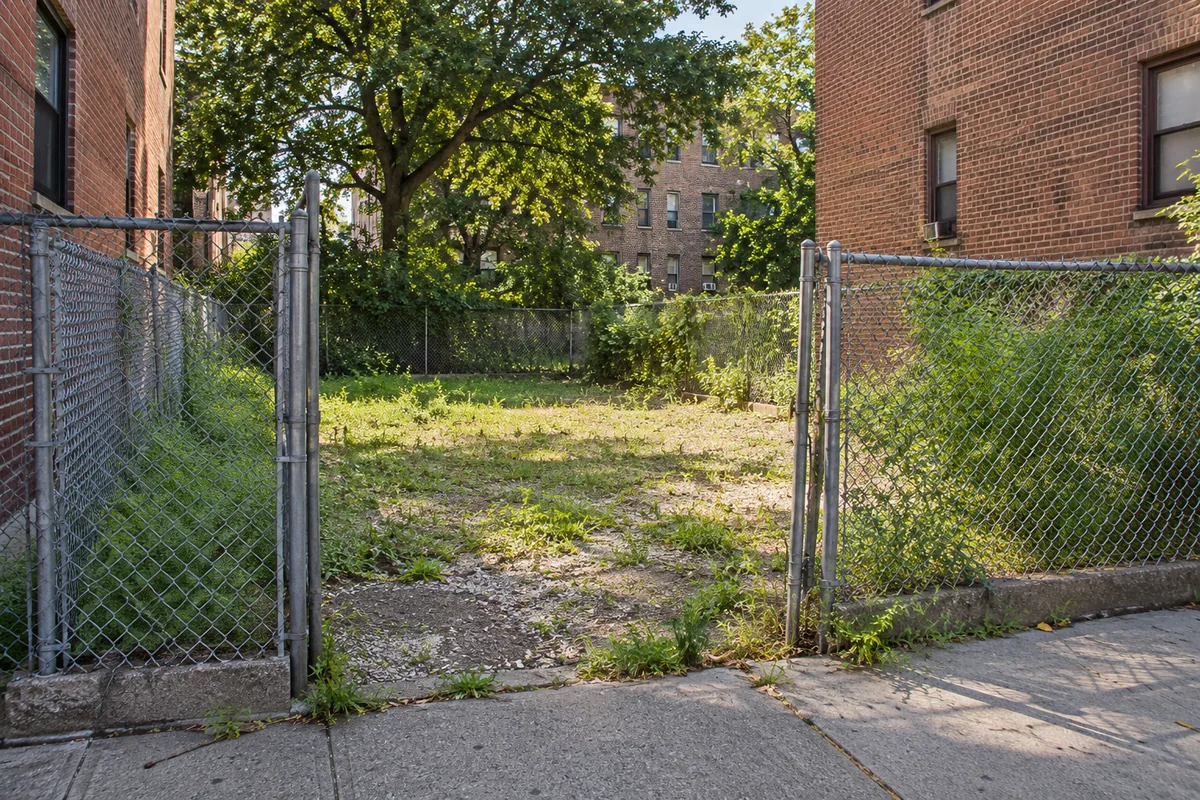
Start with the lot’s address and your latest tax bill. Look for the OPA number. That’s the city’s property account number. Keep it with your notes so you don’t mix up nearby lots.
Use Philadelphia’s Atlas map to find the lot. Check that the map matches the land you mean to sell. A fence, garden or driveway may not follow the legal lot lines. If a boundary is unclear, ask whether you need a survey. A survey shows the land’s measured boundaries.
You don’t need to find everything on your own. A title company or real estate attorney can check ownership records and help explain missing papers. If you’re handling land after the loss of a loved one, it’s okay to start with the papers you have. Ask what’s needed before agreeing to a sale date.
The city’s deed-copy guide explains online, mail and in-person choices. The online search system is called Philadox. Printing through it requires a paid subscription. If you only need one copy, ask the Department of Records which option makes sense.
Have the address, buyer or seller name, deed date and document number ready if you know them. For copy help, call 215-686-2292. Ask about the current cost and any extra help needed for an older deed. Don’t buy an online subscription just because you’re unsure where to start.
A buyer wants to know what the lot can be used for and what work may be needed. Make a short list of what you know and what still needs checking.
Atlas brings together property information, zoning, permits and violations. The city’s guide to its property tools explains what you can find. Zoning means the rules for how land can be used. A label on a map isn’t a promise that a buyer’s building plan will be approved.
Don’t advertise the lot as ready to build just because nearby lots have homes. A small lot, access issue or building rule can change a buyer’s plans. If someone wants a specific use, have them check it before promising that use in the sale agreement.
Use the Philadelphia Tax Center instructions to look up the property with its address or OPA number. Open the property’s balance details. For help with the tax account, call 215-686-6600.
Keep your latest loan statement too, if there’s a loan on the land. Give the closing team any tax or debt notices you’ve received. Ask them to check current amounts and explain what would be paid from the sale.
A city tax balance isn’t a full check of every debt tied to the land. The closing team should also check ownership and other claims. Get an estimate of the money you’ll keep before accepting an offer.
Look for nearby vacant lots that have actually sold. Compare their size, street access, shape, allowed uses and condition with yours. A wide corner lot may draw different buyers than a narrow lot between two homes.
An asking price tells you what an owner hopes to get. It doesn’t tell you what a buyer paid. The city’s tax value also isn’t a cash offer for your lot.
If one sale includes several lots, don’t assign the full price to just one of them. Ask a local land agent to explain which sales are good matches and what makes yours different. Our land value guide can help you start the comparison.
With any buyer, ask for the terms in writing. Who pays each cost? Can the buyer cancel after checking the lot? When is payment due? Who handles closing?
Here’s a made-up example: a $40,000 offer with $3,000 in seller costs leaves $37,000 before taxes or a loan balance. An offer with a different price or cost split may leave you with more or less. Use our offer comparison worksheet to compare the money you keep. These figures aren’t an estimate for your lot.
If you’d like a direct offer to compare, tell Reelvest about your land. Start with the address or OPA number and your main question. You can decide what works for you after reviewing the offer.
For more help getting ready, see our seller document checklist and Pennsylvania land seller guide.
Start with the address or OPA number, your deed if you have it, and the names of any other owners. Add photos and your latest tax bill. You can gather missing papers with help before you sign.
Not every sale needs a new survey. Ask the closing team and buyer what they need. If the lot lines are unclear or don’t match a fence, a survey may help resolve the question.
Start with the deed and any estate papers you have. Ask a title company or real estate attorney who can sign and whether more paperwork is needed. You don’t have to work it all out before asking for help.
Ask the closing team to check the current balance and explain how it could be paid from the sale. Compare what you owe with the price and costs. Don’t assume an offer will cover every amount due.
No. Zoning is one part of the check. Lot size, access and other rules can matter too. Ask the buyer to check the planned use before promising that a building can go there.
It depends on finding a buyer, the agreement, ownership papers and any open questions about the lot. Ask for a target date and a list of what still needs to happen. A missing signature or record can add time.
Local source links reviewed October 6, 2026.