
Start with completed sales of land a buyer could use much like yours. A small home lot, crop ground and woods may draw different buyers. Then check the acres, road access and work still needed. Erie County’s sale and land-use records can help you judge an offer without relying on one price per acre.
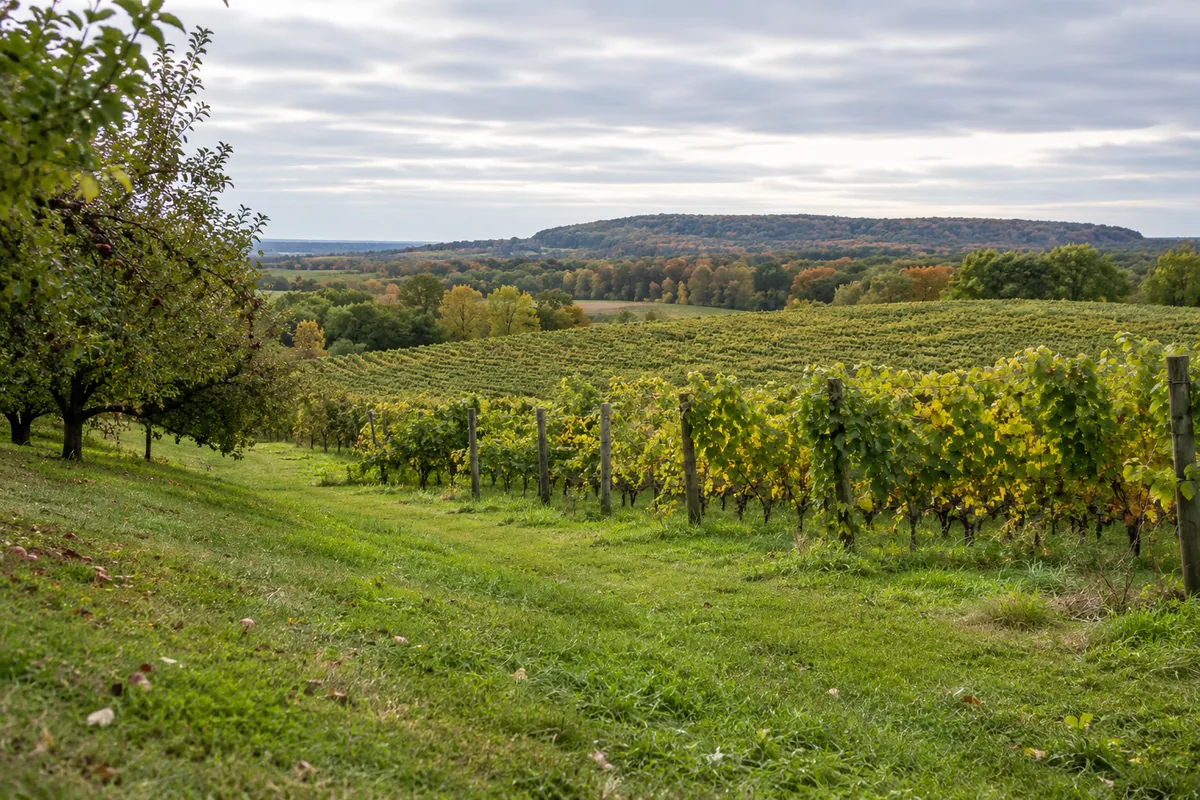
Find sales you can check
Start with the county’s recent property transfers. You can choose dates and a municipality, such as your township or borough. The list shows prices, dates and transfer details. A transfer is a change in ownership. It isn’t always a normal sale between a willing buyer and seller.
Check each promising match before using its price:
- Was it vacant land, or did the price include a house or other buildings?
- Did one deed cover several parcels? Count the deal once, using all the land included.
- Was it a family transfer, a part interest or another unusual deal?
- Do the acres, date and price agree across the records?
The county’s property search links to parcel-number search and a parcel map. Use the land ID from your tax bill when an empty lot has no street address. The site currently requires paid access for its owner-information tab. You don’t need to buy that access just to start with your own deed and tax bill.
The Recorder of Deeds links to an online index and document images. Ask how to find the deed and any filed map for a possible match. A deed can help identify the land and rights that changed hands.
Compare land with the same likely use
Nearby doesn’t always mean similar. A lot with sewer access may be a poor match for acreage that needs a septic system. A farm sale with a house and barns may tell you little about the value of bare crop ground.
- A home lot
- Compare lot size, permitted use, road frontage and room for a home. Check water and waste service, too. Frontage means the part that touches the road.
- Crop ground or a vineyard
- Compare the acres that can actually be used, drainage and access for equipment. Check what the sale included, such as vines, buildings or equipment. Ask about any lease or land-use limits.
- Woods or recreation land
- Compare legal access, slopes, wet areas and the uses a buyer has in mind. Don’t assume all wooded acres have the same timber value.
Keep a short note beside each sale: “good match,” “some differences,” or “not useful.” Write why. Three well-checked matches can be more helpful than a long list with mixed property types.
Check the home-site or lot-split claim
A sketch showing several lots isn’t the same as approved lots. Before using a split as a selling point, find out which office reviews the plan. The county’s land-development page has maps of local rules and review areas. County subdivision rules apply in 12 municipalities; others have their own rules.
Ask your municipality what uses and lot sizes fit your land. If you have an old plan, ask whether it was approved and filed, and what still needs to be done.
Sewage planning is a separate check. For on-lot systems, county guidance routes plans to the Health Department’s Environmental Services division. That review decides whether a local waiver or state review is needed. For public sewer, the municipality checks whether it can take the added flow or needs further approval.
Ask: “What papers would show that a home can be served here?” Don’t treat a nearby sewer line or an old soil test as a finished approval.
Price the work before paying for it
Buyers may ask about a driveway, clearing or a stream crossing. Those questions can affect an offer, but they don’t all call for a big discount. Find out what work is needed, whether it needs a permit, and what it may cost.
The Erie County Conservation District helps landowners check permits before earthmoving. Its page includes soil-control, stream-related and construction permit routes. It also links to flood, wetland and soil maps. Use those maps to spot questions, then ask about the parcel and proposed work.
Send a simple sketch that marks the road, planned driveway and any wet area or stream. Ask which review applies. Get a written estimate if the work could make a large difference to the offer.
Before clearing trees or grading a site to help it sell, ask a buyer or local agent whether the work would add enough value. Sometimes good records and a clear access plan help more than work the next owner didn’t want.
Put the sale and offer details on one sheet
Use one row for your land and one for each sale you’ve checked. Leave a blank where you don’t know the answer. A missing fact is a question to resolve, not a reason to invent a price.
- Land included
- Land ID, acres, date and whether buildings or more than one parcel were included.
- Likely use
- Home lot, farm, vineyard, woods or another use, with the records that support it.
- Access and service
- Public road or written access rights, driveway needs, water, and sewer or septic papers.
- Work and limits
- Wet ground, slope, clearing, surveys, leases and any known limits on use.
- Offer terms
- Price, costs you pay, inspection period, closing date and any condition the buyer can use to cancel.
For example, two offers may start at the same price. One asks you to pay for a survey; the other covers it. Compare the money you keep and the conditions, not just the price at the top.
If a sale is a much better home site than yours, explain the difference. Don’t subtract a made-up percentage. Use estimates for known work and mark unresolved questions clearly.
What to gather if you want an offer
Start with your land ID, acres and municipality. Add any deed, survey, access papers, lease or sewer and septic records you already have. You don’t need a perfect folder to ask a question.
Tell us what you know, including anything a buyer should check. We can review the land and discuss whether a direct offer could work for you. If you plan to list it, the same folder can help an agent explain the land to buyers.
See the Erie County seller guide, the Pennsylvania land-selling guide and our land-seller document checklist for the next steps.
Questions About Erie County Land Value
Does every county transfer show a useful land sale?
No. Check whether the price included buildings, several parcels, a part interest or an unusual transfer. Match the deed and land records before using the price.
Can I use a nearby asking price to judge an offer?
You can use it to learn what sellers are asking. It doesn’t show what a buyer paid. Give more weight to completed sales of similar land that you can check.
Does an old lot-split sketch prove I can sell separate home lots?
No. Ask whether the plan was approved and filed, which office reviews it, and what land-use and sewage approvals still need to be checked.
Should I clear the land before selling?
First check the work, permits and likely cost. Ask whether the change would help the buyer you want to reach. Clear records and access details may be more useful than clearing work.