
Start with the land’s location, a recent tax bill and any papers you already have. Choose a price range, decide how to find a buyer and compare written offers. Before signing, check which land the agreement covers, who needs to sign and how much money you would keep after costs.
Tell us about your land. There’s no obligation to accept an offer.
Start with what you know. These steps will help you get ready and choose the way to sell that fits you.
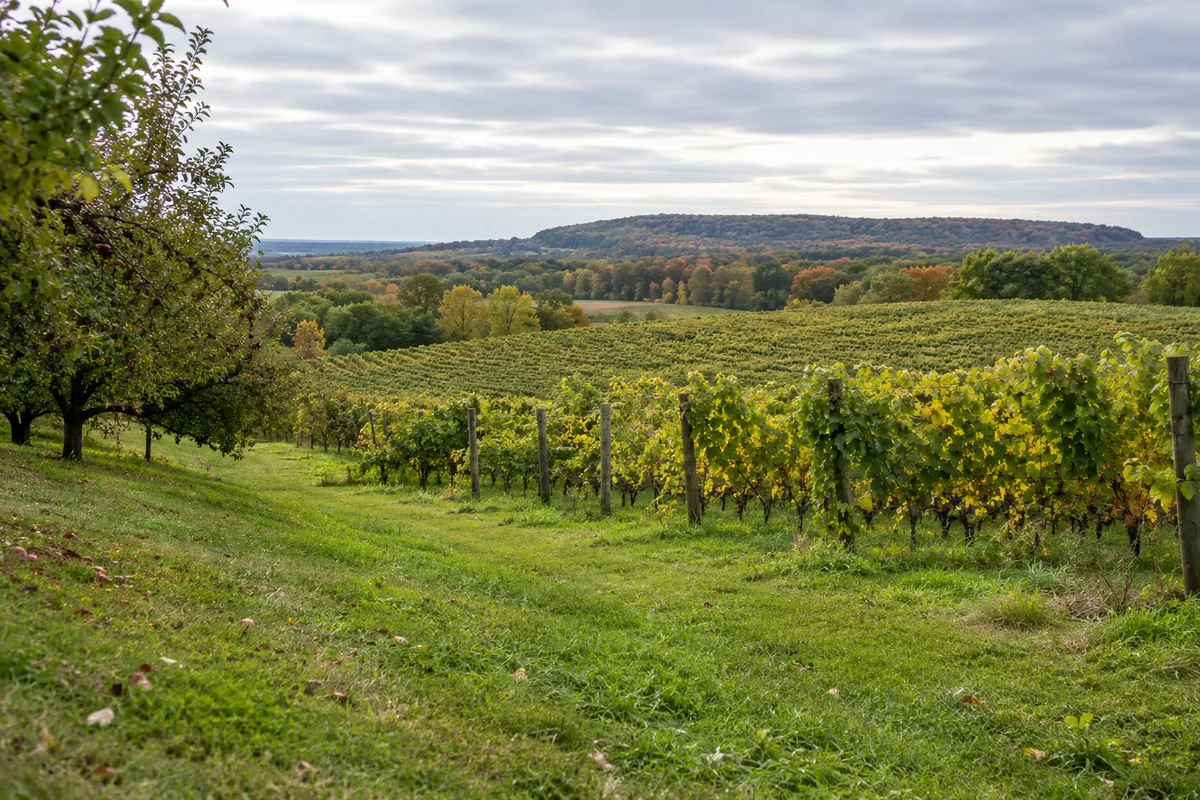
Write down the acres, land ID number and owners you know about. Add the nearest road and how you get onto the property. If it has several land ID numbers, list each one. Keep a recent tax bill, deed, map and any survey together.
A deed is the paper used to transfer ownership. A survey shows measured land lines. You can start a selling conversation without every paper. Tell the agent or buyer which records are missing and ask what must be checked before you sign.
Make a short list of useful facts: open or wooded land, buildings, shared driveways, current use and any known loan. If someone else farms, stores things or otherwise uses the property, note that too. Explain what you know without guessing about rights or approvals.
If you are handling inherited land or helping settle a loved one’s estate, keep available estate papers with the land records. Ask the closing professional who needs to sign. You do not need to explain personal family details to ask about the next practical step.
Use the Erie County Assessment page for its property and tax search links. These resources are for Erie County, Pennsylvania. Include the state when searching so you do not use records for another Erie County.
The county’s land ID search says to enter 14 numbers without spaces. Use the number on your tax bill and check the location. If a search does not find the property, ask the Assessment Office for help rather than picking a similar address.
For a deed or other recorded paper, use the Recorder of Deeds page. It links to online records and explains the office’s role in keeping real estate documents. Ask how to find or copy the paper you need and what it costs.
If the map, tax record and deed seem to disagree, keep copies of each. Ask your closing professional to help sort out what the sale papers should cover. A missing online result does not prove that no record exists, and a map by itself does not settle a boundary question.
Look at recent completed sales of land similar to yours. Compare acres, location, buildings and access. Keep bare land separate from property with a house. A nearby address does not make two pieces of land alike.
Ask a land agent or appraiser to show the examples behind a suggested price. For each sale, ask when it closed, what the price included and whether several pieces sold together. Current asking prices can show the competition, but they do not prove what buyers have paid.
Use a range when good examples are limited. If a suggested price depends on splitting the land or a future building approval, ask what supports that assumption. You do not have to plan a buyer’s project before asking about selling.
Before paying for clearing, a survey or other work, ask whether it is needed now and whether it is likely to change an offer. Start with the information you have. Spend on preparation when there is a clear reason, not just because another listing looks different.
A land agent can help price and market the property. Ask about experience with land, the fee and the plan for finding buyers. Read the listing agreement so you know how long it lasts and what happens if you find a buyer yourself.
You can also sell yourself. That means handling listings, questions, property visits and offer discussions. Decide how you want people to visit and avoid inviting them to cross neighboring land unless permission is clear.
A direct buyer, including Reelvest, may be another option. Ask for the price, costs and conditions in writing. Compare the offer with your other choices. You do not have to accept it or choose a selling route before asking questions.
Check that the agreement lists the land you intend to sell. Ask about the deposit, buyer checks, cancellation terms and target closing date. Find out which costs each side pays and how loan or tax balances will be handled.
Here is a made-up example. An offer of $60,000 with $4,000 in seller costs leaves $56,000 before any loan or tax balance. An offer of $58,000 with $1,000 in those costs leaves $57,000. In that example, the lower price leaves more money. Use the actual written numbers for your own comparison.
The Erie Recorder’s page lists recording fees and transfer taxes as part of its work. Ask the closing professional which charges apply to your sale and how the agreement assigns them. Do not assume a fee listed by an office is automatically paid by the seller.
Closing is the final step where papers are signed and payment is handled. Ask who will manage it, what records or signatures are still needed and how payment will reach you. Keep a copy of the signed papers and the final cost statement.
Our land offer worksheet helps you compare the terms. The Pennsylvania land seller guide has more general selling help. If you want a direct offer to compare, tell Reelvest what you know about your land.
Yes. Start with the location, a tax bill and any deed or map you have. Tell the agent or buyer what is missing. Ask what the closing professional will need before signing.
Start with a recent tax bill. The county’s land ID search asks for 14 numbers without spaces. Check the location in the result, or ask the Assessment Office if you cannot find it.
No. These steps help you prepare for an agent listing, a sale you handle yourself or a direct buyer. Reelvest can be one offer you compare.
Ask which land is included, who pays costs, what balances come out of your payment, when the buyer can cancel and what remains before closing. Compare the money you would keep as well as the price.
Local source links reviewed October 6, 2026.