
Start with the location, owner names and the land papers you already have. Then check the details buyers will ask about, compare similar sales and choose how to sell. You can use an agent, find a buyer yourself or compare direct offers. You don’t need every answer to begin.
Tell us about your land. There’s no obligation to accept an offer.
Start with what you know. These steps will help you get ready and choose the way to sell that fits you.
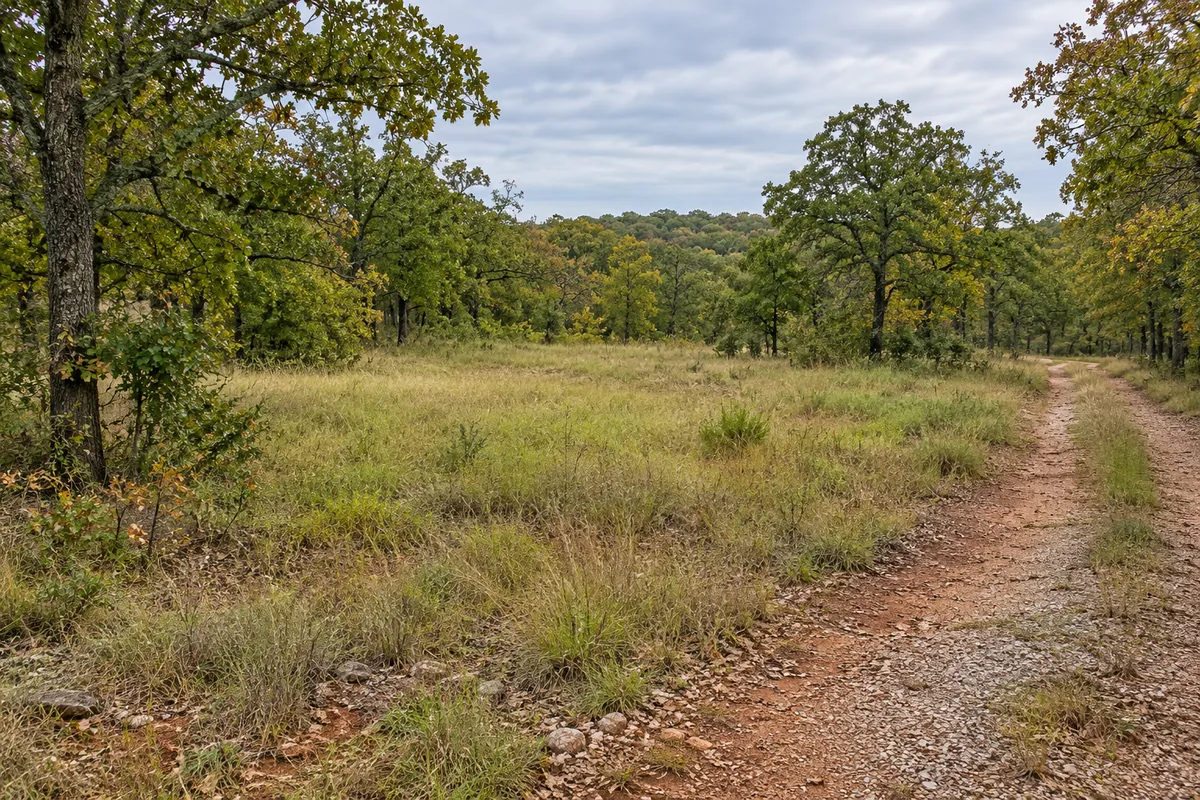
Gather a tax bill, deed, old survey or closing papers. Write down owner names, acres, parcel number and nearest road. A parcel is one piece of land in county records. List each one if you own several pieces.
The Pottawatomie County Assessor page links to actDataScout for its property information. Call 405-275-4740 for help with the record. Make sure you’re using Pottawatomie County, Oklahoma. There is also a county with this name in Kansas.
Match the location, acres and owner details to your papers. Ask about any mismatch. A map helps locate the land; it doesn’t settle the exact boundary. A tax value is used for taxes, not a price a buyer has agreed to pay.
If your land has no address, use the parcel number, nearest road and a map pin. Don’t use a neighbor’s address as your own. Our guide to finding land without an address can help.
Say whether you want to sell the whole property, several pieces together or only part. Before promising a split, ask which local office can explain what it takes to create and sell that separate piece.
A deed is the recorded paper that describes a land transfer. The County Clerk’s Office page says it keeps land records, including deeds, mortgages, liens, oil and gas leases and plats. A plat is a recorded lot drawing.
Its Land Records links are split into “Prior to 1985” and “1985–Present.” Start with the group that fits the paper’s date. If you don’t know the date, call 405-273-8222 about finding the right copy and current cost. Have owner names and any book, page or recording number ready.
A deed copy isn’t a full check for loans or other claims. Ask your title company or closing attorney who handles that check. If old papers mention oil, gas or mineral rights, share them and ask what you own and what the sale would include. Don’t guess from the land’s surface alone.
If you’re helping with a loved one’s estate, gather papers at your own pace. Ask who can sign and which estate papers are needed before choosing a sale date. If several people own the land, involve them early.
Look for an existing survey in old closing papers before ordering a new one. Ask what new work would answer and who pays. Our seller paper checklist helps you sort what you have.
Describe how you reach the land from the nearest public road. Note gates, the entrance and any route across another owner’s property. Keep written access papers with the deed.
An easement is a right to use part of someone else’s land for a stated purpose. Ask the closing team to check what the recorded paper allows. A visible path or past permission doesn’t answer whether a buyer has lasting access.
Tell buyers what you know about road upkeep and reaching the land after rain. Say if you haven’t visited recently. Don’t call a road county-maintained just because it has a name.
List working water, power or sewer service. Keep bills or service records if you have them. A nearby line isn’t the same as a working hookup. Ask the provider about service for this land and the buyer’s plan.
If someone rents the land for crops, grazing or storage, keep the lease handy. Ask what happens to that use when you sell. Tell buyers which buildings, fences or other items you intend to include.
If the land has a septic system, keep its permit, system drawing and any service records. A septic system treats wastewater where there isn’t a sewer connection. An old record and a working system are different things; say what you know about its current condition.
The Oklahoma Department of Environmental Quality FAQ directs septic-record requests to Central Records. It asks for a physical address or property coordinates when describing the records needed. Central Records is listed at 405-702-1188. For other questions, the page links to local DEQ offices by county.
For land without a system, ask what the buyer’s plan needs before paying for tests or work. DEQ’s On-Site Sewage Programs page links to treatment guidance, certified soil profilers and installers. Nearby houses don’t prove your ground is ready for the same system.
Keep any floodplain letter, permit or elevation record you already have. The county’s Emergency Management page lists floodplain management resources and permit documents. Call 405-878-2332 to ask which office applies to your land. Ask about city or town jurisdiction if needed.
A floodplain is land that may be affected by flooding. Tell buyers about wet areas and past flooding you know about. Ask for the right map and an explanation before calling the land outside a floodplain. A floodplain answer doesn’t replace other approvals for a home or business.
Ask a local land agent for recent completed sales a buyer would compare with yours. Match acres, access, ground, services and what came with each deal. Small home lots and larger fields or wooded tracts may be poor matches.
A listing price is what a seller wants. A completed sale price is what a buyer paid. Keep those groups separate. Check whether a sale included a house, several parcels or other items before treating it as bare-land value.
Count a deal once, even if it appears on several websites. Keep a parcel or deed reference with your notes. Ask for a range for your whole property and what supports it. Our land-value guide has more help.
Take clear photos of the entrance, open ground, woods and features buyers ask about. Describe the land as it is. Share approvals you have and say what still needs checking.
If you’d like a direct offer from Reelvest, tell us about your land. We’ll review it and let you know if we can make an offer. You decide whether it works for you.
Your asking price, a buyer’s offer and the money you keep are different numbers. Sale costs and amounts owed can reduce what reaches you at closing.
For example math, a $50,000 offer minus $3,000 in agreed costs and $2,000 in unpaid balances leaves $45,000. These numbers are examples, not an estimate for your Pottawatomie County land. Ask for a written estimate before choosing.
The County Treasurer page links to the Treasurer’s website and online tax payment. Call 405-273-0213 about current county balances. Have a bill or parcel details ready and ask about every piece you plan to sell.
If you mail tax paperwork or payment, check the address first. The county page says postal mail goes to its P.O. Box, not the office street address. Confirm the current instructions with the office.
Share loan papers, tax bills, leases and owners’ association notices with your closing team. Ask how balances and the agreed tax split will be handled. If a notice has a deadline, ask about it right away; a future sale doesn’t handle it by itself.
Compare who pays agent fees, survey work and closing costs. Ask what the buyer still wants to check, when either side can cancel and what happens to the deposit. Our offer worksheet puts those answers side by side.
Closing is the final step when sale papers are signed, payment is handled and the transfer is recorded. Ask who will handle it and how you’ll receive the money.
Keep a list of open items: ownership checks, missing signatures, buyer reviews, unpaid balances or agreed survey work. Ask who handles each one and when it is due. A target date is more useful when you know what still needs to happen.
Read the land description, price, costs and cancellation terms before signing. Ask for plain explanations of anything unclear. Keep the agreement and final closing papers.
For more state-level selling help, read the Oklahoma land seller guide.
Start with the location, owner names and acres if known. Gather a deed, tax bill, survey and any access or service papers you have. You can ask about selling while missing details are checked.
The Pottawatomie County Oklahoma Assessor page links to actDataScout. Call 405-275-4740 for help with the record. Check that you’re using Oklahoma records rather than Kansas records.
The County Clerk page separates land-record links into Prior to 1985 and 1985–Present. Choose the group that fits the paper’s date, or call 405-273-8222 if you aren’t sure.
Start with Oklahoma DEQ Central Records at 405-702-1188. Have the physical address or property coordinates ready. A record does not by itself show the system’s current condition.
The county Emergency Management page lists floodplain resources. Call 405-878-2332 and ask which office applies to your land. Keep any permits or elevation records with your papers.
Gather the deed and any estate papers at your own pace. Ask your closing team who can sign and which papers are needed. Include other owners in the plan before choosing a sale date.
Compare the money left after costs and amounts owed. Also compare buyer checks, cancellation terms, the deposit and timing. Get the details in writing.
It depends on finding a buyer, the agreed checks, land records and signatures. Ask for a target date and a list of open items rather than relying on a date that leaves those steps out.
Local source links reviewed October 4, 2026.