
To sell your Nassau County land, find the property details, choose a price, and decide how to look for a buyer. Then compare written offers and work through closing. A tax bill or the lot’s location is enough to start asking questions. You don’t need every answer on day one.
Tell us about your land. There’s no obligation to accept an offer.
Start with what you know. These steps will help you get ready and choose the way to sell that fits you.
You can take the first step before every question is settled. Keep a short list of missing details and work through them one at a time.
Look on a tax bill for the section, block, and lot numbers. These numbers identify your property in Nassau County’s records. Keep all three together. If you’re selling more than one lot, list each one.
The Nassau County Land Records Viewer offers property maps, assessment details, and tax information. You can start with the three land numbers or a known address. The county notes that its assessment and Clerk records can format these numbers differently. Check that you’ve found the same land before using a record. A map helps locate it but doesn’t replace a survey.
If the lot has no address, use its land numbers and a map pin with the nearest road. Don’t borrow a neighbor’s address. Write down which part you mean to sell if the open land sits beside your house. Ask for help checking whether it is a separate property before promising a separate sale.
The County Clerk’s questions page explains how to obtain a deed or mortgage copy. It says to bring the section, block, and lot numbers to the Clerk’s office at 240 Old Country Road in Mineola. The page also links to mail-request instructions and the required fee.
The Clerk’s Land Records page links to the county’s land-record search. Finding a deed copy is different from checking the full ownership history and claims against the land. Ask the closing team who will handle that check.
If you’re handling inherited land or helping settle a loved one’s estate, gather the papers at your own pace. Ask the closing attorney who can sign and what else is needed. If you share the property, talk with the other owners before agreeing to a sale date.
You don’t need to order every paper before talking about selling. Our seller paper checklist can help you sort what you have and what’s missing.
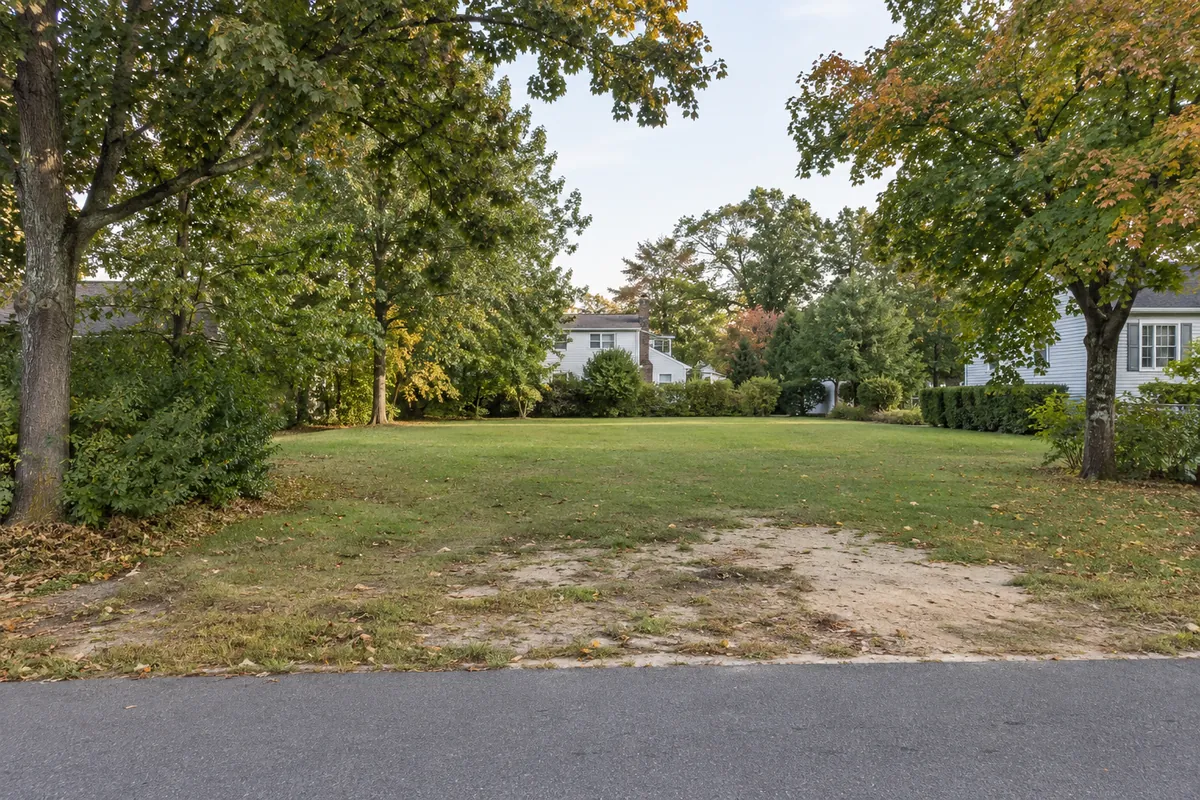
Take a few recent photos of the entrance, open ground, trees, and road. Share any survey or past reports you have. Explain how you reach the lot and whether you use a shared drive.
Be clear about services. “There are power lines along the road, but I haven’t checked a hookup” tells a buyer more than “the lot has power.” A working connection and nearby service are different things.
Tell buyers what you know about past uses, buildings, wet areas, and written property rules. If you don’t know, say so. You don’t have to turn every unanswered question into a study before looking for a buyer.
An empty space between homes isn’t automatically a separate building lot. If a buyer wants to build, ask what they need to check and how long they have to do it. Share any approval papers you already have. Before paying for a new survey or other work, ask why it’s needed, who will arrange it, and who will pay.
Ask a local land agent for a few completed sales near your lot. Compare the location, size, road access, services, and what each sale included. A small lot with a working entrance and hookups can attract different buyers from land with open access questions.
Keep house sales separate from bare-land sales. A buyer who paid for a house and its yard received more than an empty lot. Ask whether a sale included several pieces, buildings, or other items before using its price.
Listing prices show what sellers want. Completed sales show what buyers paid. The value on a tax record is one piece of information, not an offer for your land. Check the year and details before using it.
If there are few close matches, ask the agent why they chose the examples they used. You can ask about an appraisal—a written opinion of value—when you need one for a specific purpose. See our guide to finding your land’s value for more help.
Think about the time you can spend and when you’d like to sell. Compare the work and likely money left after costs. If you’d like another option, tell Reelvest about your land. We’ll review it and let you know if we can make an offer. You decide whether it fits.
Ask for a written estimate of what’s left after agreed costs, loans, and taxes still owed. For a made-up example, a $100,000 offer minus $5,000 in sale costs and $3,000 in unpaid balances leaves $92,000. This is simple math, not a price estimate for Nassau County land.
Use our land offer worksheet to put the answers side by side. A cash offer still needs clear written terms. Keep a copy of the agreement.
Share every tax notice with the closing team. The county’s past-due property-tax page lists 516-571-2090 and explains which past-due bills the Treasurer handles. For example, Glen Cove handles its own past-due school taxes. Ask which balances and offices apply to your exact land. Don’t assume one county balance covers everything.
Ask for amounts that fit the planned closing date, not just an old bill. If you have a tax-lien or tax-sale notice, share it early and ask about the deadline. A plan to sell doesn’t resolve a notice by itself.
Ask who is handling closing and how to reach them. They review the ownership records, amounts owed, and papers for the transfer. Ask what documents and signatures are still missing before making plans around a closing date.
Read the final statement that lists the sale price and amounts taken out of your payment. Ask about any item you don’t recognize. Confirm how and when the money will reach you, and keep your signed sale papers.
Your first step can be small: find a tax bill, write down your questions, and decide whether you’d like help pricing or finding a buyer. Our New York land seller guide has more general help. You can also tell us about your land if you’d like a direct offer to compare.
Start with the location, section, block, and lot numbers, and the names of the owners. Gather a deed, survey, and loan or tax notices you have. You can ask about selling while working through missing details.
Start with your tax bill. Keep all three numbers together when looking for records. Nassau County notes that its assessment and Clerk records can format them differently, so check that both identify the same property.
The County Clerk’s questions page explains in-person and mail requests. It says to bring the land’s section, block, and lot numbers to 240 Old Country Road in Mineola. Check the instructions and fee before requesting a copy.
No. Share what you know and any past approval papers. Ask the buyer what they need to check. Nearby houses alone don’t prove that your lot is ready for a house.
Share one if you already have it. Before ordering new work, ask whether it is needed, why, and who will pay. You can start talking about selling while that question is open.
Gather the deed and estate papers you have. Ask the closing attorney who can sign and what is still needed. If there are other owners, talk with them before promising a closing date.
Share all notices with your closing team and ask which balances apply. Nassau County’s past-due tax page lists 516-571-2090. Some bills are handled separately, so don’t assume one county balance covers everything.
Compare the work, fees, written terms, and money you would keep. An agent can help market the land; a direct offer gives you another option to weigh. You can ask Reelvest for an offer without accepting it.
Local source links reviewed October 4, 2026.