
Start with a tax bill, the land’s location and what you know about the owners. Then discuss a price, choose how to find a buyer and compare the written terms. You can ask for help with missing papers. This guide explains the steps, whether you list with an agent, sell yourself or compare a direct offer.
Tell us about your land. There’s no obligation to accept an offer.
Start with what you know. These steps will help you get ready and choose the way to sell that fits you.
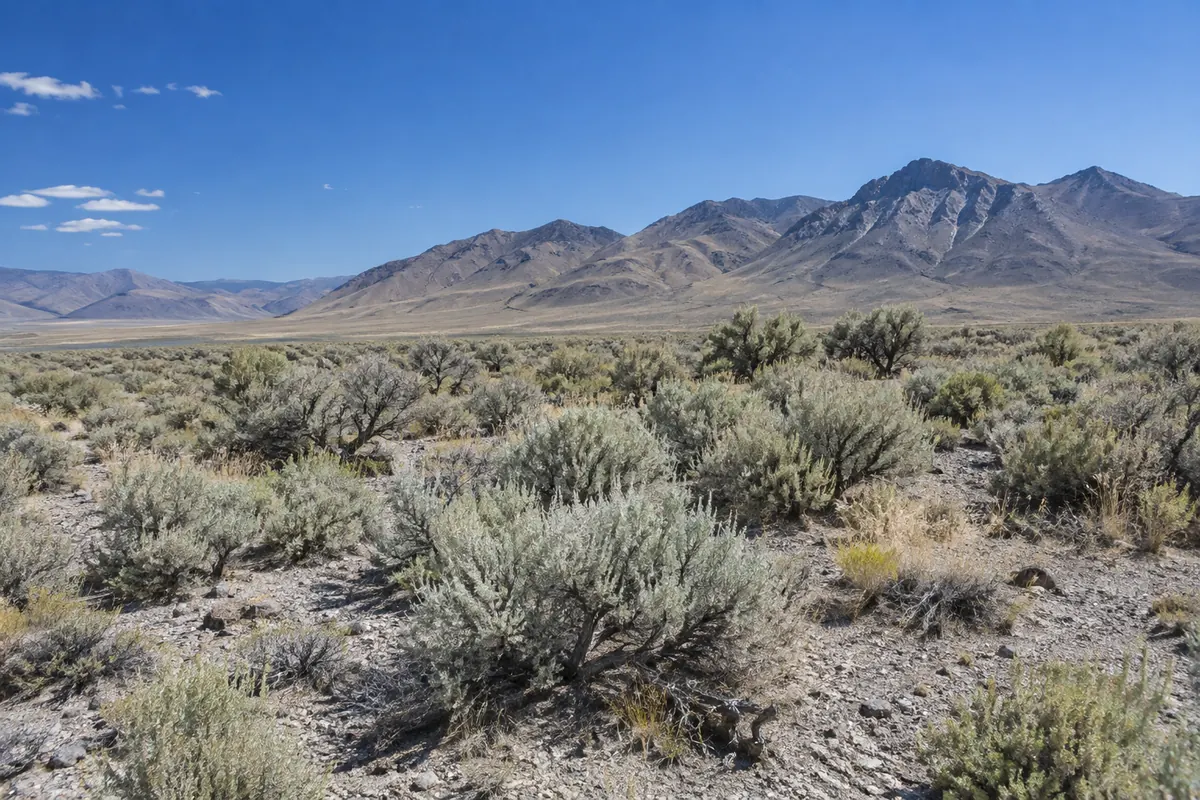
Write down the property number from a tax bill, the acres and nearby road. List each piece included in the sale. If the land has no street address, a map pin and the property number can help.
For property-number questions, start with the Washoe County Assessor. For a recorded deed, use the Recorder’s search guidance.
The Recorder says its real-estate search needs a party’s name and approximate transaction date. It won’t search by street address or parcel number. Look for an owner’s name and the rough purchase year in your old papers before opening that search.
The Recorder says watermarked unofficial copies can be downloaded at no charge. Plain or certified copies have fees. Ask your closing professional which copy they need. The Recorder doesn’t do a full ownership search for you; a title company can explain that service.
Take photos of the entrance, open ground and steeper or rough areas. Say whether a gate, snow, mud or a long dirt-road drive affects a visit. Arrange visits ahead of time.
A road line on a map doesn’t settle whether you can use it. Share any written agreement to cross a neighbor’s land. If you don’t know the route or right to use it, say so rather than sending a buyer across private ground.
Keep well, water-right or service papers you already have. Explain any grazing, rental or other current use. Don’t promise a home site, water use or service connection just because another property nearby has one.
You have a few ways to sell. Ask a land agent how they would price and market the property, what they charge and how you’ll get updates. If you sell yourself, plan for ads, buyer questions and visits. A direct buyer’s offer gives you another set of terms to compare.
Take current photos and write a clear description. Explain where the land is, its size, how to reach it and what stays. Say when a detail is unknown. You don’t need to clear the land, order a new survey or design a buyer’s home before starting.
Use our owner-sale guide if you want to handle the listing yourself.
Ask a local land agent for recent completed sales of similar land. Compare acres, entrance, ground, services and included buildings. A small lot near town may be a poor match for a larger tract.
An asking price shows what an owner wants. A tax value is a different kind of figure. Neither tells you what your buyer will pay. Check the property number or deed reference behind each sale. Several websites can repeat the same property.
If one sale includes several pieces, compare the whole price with the whole acreage. Keep sales with houses separate from vacant land. Our land value guide explains more.
Check the exact land, price, seller costs and planned closing date. Ask how long the buyer has to inspect and what allows cancellation or a change in price.
For a made-up example, $55,000 less $4,000 in seller costs leaves $51,000 before debts. A $53,000 offer with $1,000 in costs leaves $52,000. These are math examples, not Washoe County prices. Ask how loans or unpaid taxes affect your payment.
Use our offer worksheet. If you’d like a direct offer to compare, tell Reelvest what you know about the land. You decide whether the terms work for you.
Closing finishes the sale with signed papers and payment. Ask the title company or attorney handling it what records they need, who must sign and what is still open before setting the date.
Share any loan, unpaid tax balance, rental agreement or other owner early. If you’re helping settle a loved one’s estate, bring the papers you have and ask for help checking the signing steps. Missing papers don’t mean you can’t start.
Read the final cost sheet and ask how payment will reach you. Keep copies of the agreement and closing papers. Use our document checklist to get ready.
The Recorder says its real-estate search does not search by address or parcel number. Start with an owner’s name and approximate transaction date. Ask the Assessor about property-number questions.
Start with a tax bill, location, acres if known and the owners’ names. Ask for help finding missing documents. Your closing professional can explain what the sale needs.
No. You can list with an agent, sell yourself or compare a direct offer. Consider the work, costs, buyer checks and timing before deciding.
Local source links reviewed October 4, 2026.