
Start with recent sales of land like yours, then compare the details. For a wooded tract in Stewart County, the trees, road access and ground can all matter. One countywide price per acre won’t tell you what your land is worth. Here’s how to build a price range you can explain.
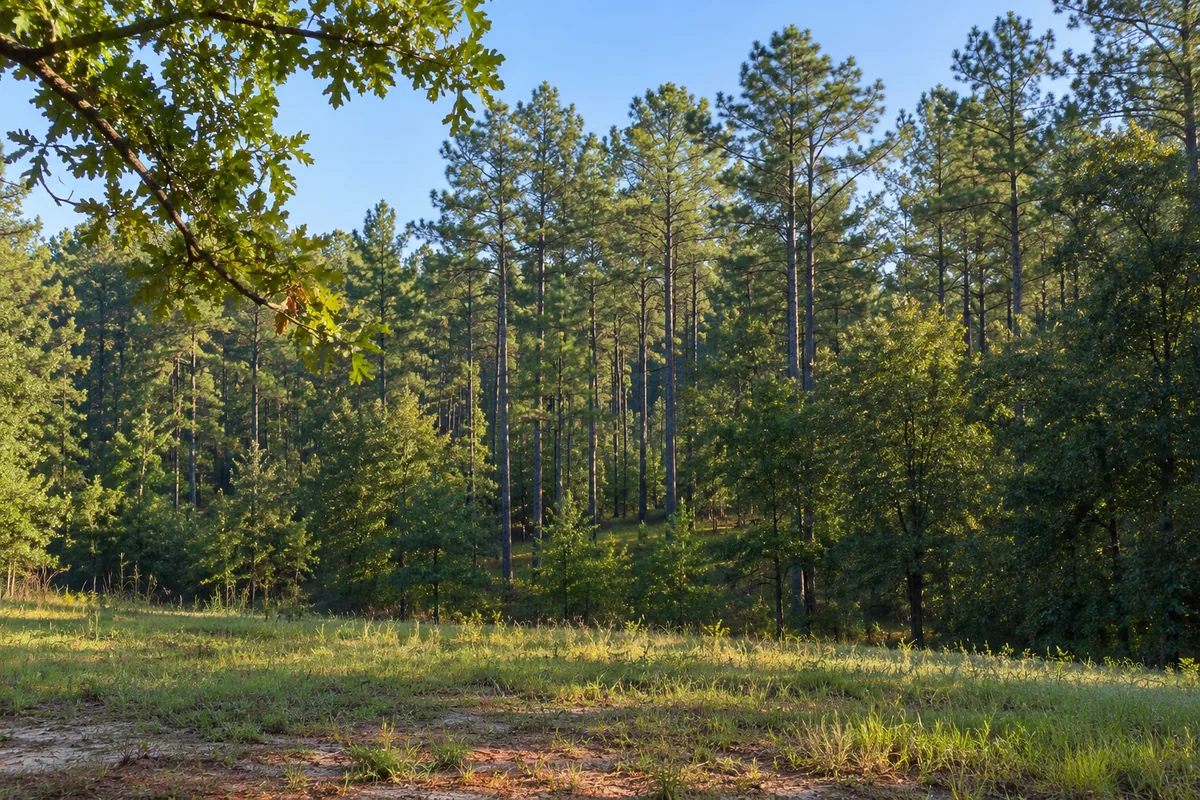
Get Your Land Details Together
Start with a tax bill, deed or old survey. Write down the acres, owner’s name and parcel number. A parcel number is the county’s number for a piece of land. If you want to sell several pieces together, list them all.
For help finding a missing deed, use the Stewart County Clerk of Superior Court page. The clerk handles recorded land papers and subdivision maps. You can call the county at 229-838-6769 and ask for the Clerk of Superior Court. Have the owner’s name and any deed book and page numbers ready. Ask about copies and any fees before ordering.
The county site also links to its Tax Assessors office. Use that route if you need help matching a tax record to your land. A county map helps you find the right piece; a survey shows measured boundaries. Keep the two separate.
Choose a Few Sales That Really Fit
Ask a local land agent or appraiser for recent completed sales. Request the date, price, acres, parcel number and deed reference for each one. Asking prices can show what else is for sale. They don’t show what buyers actually paid.
For a wooded or rural tract, compare these details:
- Size and location: Look for a similar number of acres and similar nearby roads and uses.
- The entrance: Compare a tract reached from a public road with one that has similar access. A trail across a neighbor’s land may need a written right to use it.
- Trees and open ground: Check how much of each tract is wooded, cleared or wet. Look at the condition of the land, not just the acre count.
- What the price bought: A house, equipment or several pieces sold together can make a sale a poor match for bare land.
If you find only a few good matches, widen the dates or nearby area. Write down the differences instead of filling the list with unrelated sales. Two clear matches can be more useful than ten confusing ones.
What About the Value of the Trees?
Timber means trees grown or sold for wood. A wooded tract isn’t priced just by counting trees. The Georgia Forestry Commission explains that the ground, access and ease of harvesting can affect timber prices.
If the trees may be a large part of the value, ask a forester for help before selling or cutting them. A forester is a specialist who can assess the woods. The commission has private timber-sale guidance, including help on working with a consulting forester.
Check whether each sale you compare included the trees. A recently cut tract may not be a close match for yours. Gather any current timber-sale agreement too. Share it with the person helping with the land sale, so everyone knows what rights have already been sold.
Check That You’re Counting One Sale Once
A single sale can include several parcels. It may also appear under more than one address. Check the deed reference and sale date before treating two entries as two separate deals.
If one price bought several pieces together, use their combined acres. Don’t divide the full price by the acres of just one piece. If you can’t tell what a price included, leave that sale out for now.
If you’re handling inherited land or helping settle a loved one’s estate, keep any estate papers with the deed. The attorney handling the closing can help you work out who needs to sign. You don’t have to sort out every paper before asking about your options.
Make a Simple Price Note
For each useful sale, write down the price, acres, date and where you found it. Add the parcel number, deed reference and a short note about what differs from your land.
- Sale price and acres
- Divide the full sale price by the acres included. A made-up $120,000 sale of 20 acres equals $6,000 per acre. This is a math example, not a Stewart County price estimate.
- Trees and ground
- Was it wooded, recently cut or mostly open? Did it include buildings or equipment?
- Access
- Was there a clear way in? Was a written right needed to cross another owner’s land?
- Why it fits
- Write one sentence about why a buyer might compare that land with yours.
Use the best matches to form a range, not a single promise. Our land value guide and comparison tool can help with the math. If the range is wide, ask a local land agent or appraiser which differences matter most.
Keep the county’s value for taxes separate from your asking price. It isn’t an offer from a buyer.
Weigh Your Selling Choices
You can list with a land agent, find a buyer yourself or compare direct offers. Ask each buyer for the price, costs, payment steps and dates in writing. Check what they still need to review and whether they can cancel.
The amount you keep matters too. For example, a made-up $80,000 price with $5,000 in selling costs leaves $75,000 before loans or unpaid taxes. Use the actual costs for your sale. Our offer worksheet can help you compare.
If you’d like to include a Reelvest offer, tell us about your land. There’s no obligation to accept. For the full selling steps, see our Stewart County seller guide.
Local source links reviewed October 3, 2026.
Questions About Stewart County Land Value
How do I choose a price for wooded Stewart County land?
Compare recent completed sales with similar size, access, trees and ground. Check what each price included. Ask a land agent, appraiser or forester for help when the differences are hard to judge.
What if there are few sales like mine?
Widen the dates or nearby area and note the differences. Use the closest clear matches. You don’t need a long list of sales that don’t fit your land.
Who can help me find a missing Stewart County deed?
Call the county at 229-838-6769 and ask for the Clerk of Superior Court. Have the owner’s name and any old deed reference ready. Ask how to get a copy and what it costs.
Should I cut the trees before selling my land?
Talk with a forester before making that choice. Cutting changes what a buyer will get. Keep any timber-sale agreement and compare wooded land with sales that included similar trees.