
Start with recent sales of land that is like yours. A small homesite, a farm and a wooded tract can sell at very different prices per acre. Compare the size, access and usable ground before applying a nearby price to your land.
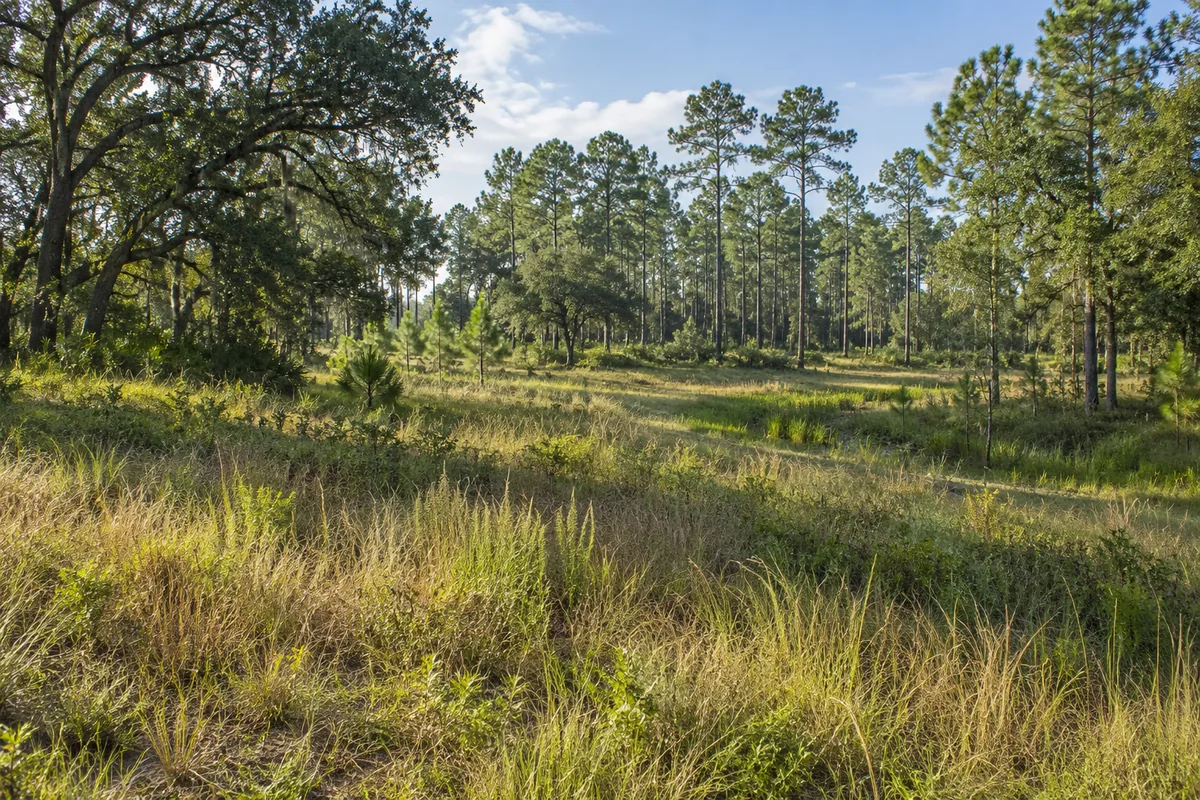
Find Your Lafayette County Property Record
Look for the parcel number on a tax bill. Use it to identify the exact piece of land, especially if it has no street address. Write down each parcel you plan to sell and the acres you believe are included.
The Lafayette County Property Appraiser website links to its current property-record search and map. Start there so you use the county’s current route. The appraiser values property for taxes; the record is a useful place to check details, not proof of what a buyer will pay.
For a deed copy or other recorded papers, use the Lafayette County Clerk’s Records Search page. Choose Official Records for documents such as deeds, mortgages and liens. A lien is a claim against property for money owed. Court Records is a separate search.
Save any deed and survey you already have. If the deed and tax record disagree, ask the title company or attorney helping with the sale to check. You don’t need to buy a new survey just to ask about an offer.
Compare the Land, Not Just the Acres
A one-acre homesite with an entrance and services may have a higher price per acre than a large wooded property. That does not mean you should multiply the small-lot price by all your acres.
- Size and use: Look for land close to your property’s size and type. Check whether the sale included a home, farm buildings or more than one parcel.
- Road access: Compare public-road frontage with shared-lane access. Share any written right to use a route across other land.
- Usable ground: Note wet areas and places that flood after rain. An acre count alone does not explain which parts a buyer can use.
- Water and power: Compare what is already on the land. A nearby line does not mean a connection is included or ready.
If a buyer wants to build, they may need to check whether the land fits that plan. Tell them about any well, septic system or past approval you know of. Don’t promise a new use is allowed when you have not checked it.
Use photos and your own experience to explain the property honestly. You don’t have to turn into a land expert before selling. Unknown details can be checked during the buyer’s review.
Check What Sold Before Using the Price
Choose completed sales when you can. An online asking price is a seller’s goal, not the final price paid. Ask a land agent for recent sales that match your land and for an explanation of any big differences.
For each match, keep the parcel number, sale date, price and acres sold. Use the deed reference to check what the deal included. One purchase can cover several parcels. The same transaction can also appear on several websites; count it only once.
Simple example: Suppose a ten-acre piece sold for $70,000. That is $7,000 per acre. This is a made-up example, not a Lafayette County sale. If it had better road access or included a building, it might not be a good match for your empty land.
If you cannot find close matches, use a range and ask what supports it. A single county average may hide the differences between small lots and larger acreage. This page does not publish a verified countywide average.
Compare the Money You Keep From Offers
Ask who pays each selling fee and closing cost. Check whether a loan, unpaid bill or other claim needs to be handled at closing. Get a written cost breakdown rather than guessing what will come out of the price.
Also ask how the buyer will pay, when they expect to close and what could let them cancel. A higher price with uncertain funding or large costs may work out differently than it first appears.
You can list with a land agent, sell it yourself or compare direct offers. An agent helps market the land for a fee. Selling it yourself means handling calls and showings. A direct buyer gives you another option to consider. If you’d like one from Reelvest, tell us about your land.
For preparation, see the Lafayette County seller guide and land seller document checklist.
Questions About Lafayette County Land Value
Is the appraiser’s value my asking price?
Not necessarily. It is a value used for taxes. Check what the record includes, then compare suitable completed sales and written offers for the land you plan to sell.
Should I use small-lot prices for a large tract?
Be careful. Small lots and larger tracts can attract different buyers and have different costs. Start with land close to your property’s size, access and use.
Do I need to clear the land to find out its value?
No. Share the location and describe what is there. Before paying for clearing, ask whether it is likely to improve the selling price enough to cover the cost.
Can I request an offer before choosing a price?
Yes. Start with the location, parcel number if known and a few details about the land. You can compare an offer with your other selling options.
Local source links reviewed October 4, 2026.