
Start with the location, a few land papers and what you know about access and water. Then compare similar sales and choose how you want to sell. You can work with an agent, find a buyer yourself or compare direct offers. You don’t need every answer before you get started.
Tell us about your land. There’s no obligation to accept an offer.
Start with what you know. These steps will help you get ready and choose the way to sell that fits you.
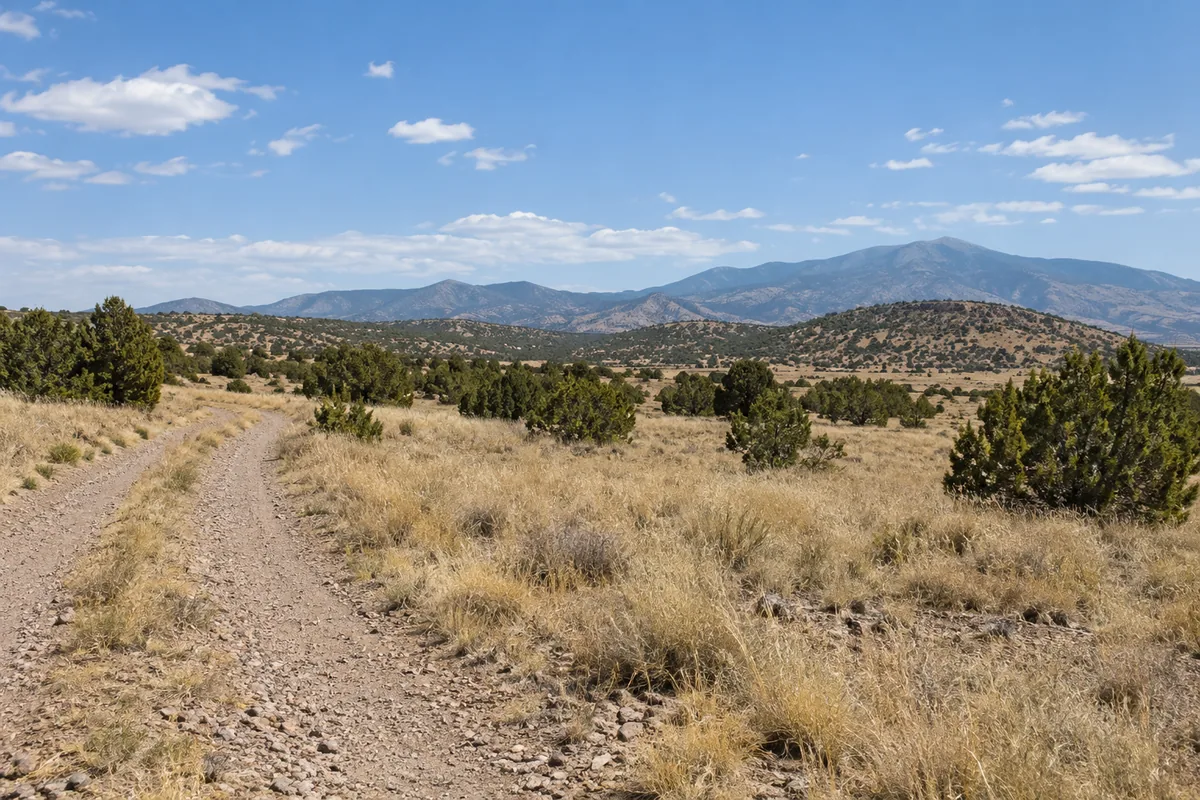
Put what you already have in one place. A tax bill, deed, survey or old closing papers can save time. Missing papers don’t mean you can’t ask about selling.
A parcel is one piece of land in county records. If you own several pieces, list each one. Say whether you want to sell all of them or only part. Before promising a split, ask the county what creating that separate piece would require.
The Huerfano County Assessor page links to an Interactive Parcel Map and Assessor Record Search. Call 719-738-3000, extension 504, for help. Match the acres, location and owner details to your papers. County maps give a general picture of shape and size; they don’t settle the exact boundary.
If the land has no address, use its parcel number and nearest road. Our guide to finding land without an address can help. Keep any old address as a clue rather than guessing a new one.
Write down the route from the nearest public road. Note the entrance, gates and any part that crosses another owner’s land. Keep any written access agreement with your papers.
An easement is a recorded right to use part of someone else’s land for a stated purpose. Ask your closing team to check what it allows. A visible track or a neighbor’s past permission doesn’t answer whether a buyer has a lasting right to use it.
Tell buyers what you know about road upkeep and reaching the land in bad weather. Say if you haven’t visited recently. Ask who maintains the road rather than calling it county-maintained because it has a name.
If an entrance needs work, ask the county Land Use and Building office which office handles the access question. Its page lists access permits among Road and Bridge/Public Works permits. Keep entrance approval separate from the right to cross another property.
For visits, give clear directions and say where buyers may park or walk. Don’t send them through a neighbor’s gate without permission.
Tell buyers whether water is on the land and how it is supplied. Keep a service bill, well permit, well report or shared-water agreement if you have one. If you don’t know, say that it still needs checking.
The Colorado Division of Water Resources Well Permitting page links to a permit search and map viewer. It says a well file includes allowed uses, the original application and any available construction and pump records. Start with a permit number if you have it, and make sure the record fits your land.
Ask what the well may supply and whether it is working. A permit and a working water system are different things. Don’t describe the land as having a working well just because you found a permit.
The same state page explains how to update the owner’s contact information for a valid permit. Ask your closing team who will handle that step. Updating that contact record doesn’t transfer the land.
For land without a well, the state’s water-supply guidance says it can’t guarantee a new well permit before a full review. Don’t promise a future well because nearby land has one. Ask about the proposed use before spending money.
If you have a building approval, septic record or other permit, keep the full document and date. Tell buyers what it covers and what still needs checking.
The Land Use and Building page says a building permit needs proof of approved sanitation and adequate water. Call 719-738-3000, extension 103, about the land and planned use. Ask which office applies if it is inside a town.
Zoning means the rules for how land may be used. Ask whether the buyer’s plan fits those rules. A nearby home doesn’t prove your land has the same approvals. A permit for one project may not answer a different plan.
You don’t have to get every possible approval to put land up for sale. First ask which missing answers would matter to likely buyers. Before paying for a survey, clearing or tests, ask what the work will answer, what it costs and who will pay.
Take clear photos of the entrance, ground, trees and any existing features. Explain the land as it is. Use “needs checking” where you don’t have an answer.
Ask a local land agent for recent completed sales a buyer would compare with yours. Match acres, access, ground, services and what came with the sale. A small ready-to-build lot and a larger dry tract may be poor matches.
A listing price is what a seller wants. A completed sale price is what a buyer paid. A tax value is used for taxes. Keep those numbers separate when discussing a range for your whole property.
Check that a comparison sale included only the land you think it did. A house, several parcels or other items can change the full price. Count a deal once, even if it appears on several sites. Our land-value guide has more help.
If you’d like a direct offer from Reelvest, tell us about your land. We’ll review it and let you know if we can make an offer. You decide whether it works for you.
The Huerfano Clerk & Recorder page links to online records and search help. It says official copies are available for purchase. Call 719-738-3000, extension 503, about the deed copy you need and current cost. Have owner names and any recording reference ready.
A deed describes a recorded land transfer. A copy isn’t a full check for loans or other claims against the land. Ask your title company or closing attorney who handles that check and what they need from you.
If you’re helping with a loved one’s estate, gather the deed and any estate papers at your own pace. Ask who can sign and which papers are needed before agreeing to a sale date. If several people own the land, include them in the plan early.
Share loan papers, tax bills, leases and any owners’ association notices. Ask for current balances and how they will be handled at closing. If a notice has a deadline, ask about it right away. A future sale doesn’t take care of it by itself.
Compare the money you keep after costs and amounts owed. For example math, a $40,000 offer minus $2,000 in agreed costs and $3,000 in unpaid balances leaves $35,000. These numbers are examples, not an estimate for Huerfano land.
Ask who pays agent fees, survey work and closing costs. Check what the buyer still wants to review, when either side can cancel and what happens to the deposit. Our offer worksheet helps put the terms side by side.
Closing is the final step when sale papers are signed, payment is handled and the transfer is recorded. Ask who will handle it and how you’ll receive the money.
Keep a list of open items: ownership checks, missing signatures, buyer reviews, balances or agreed survey work. Ask who handles each one and when it is due. A target date is more useful when you know what still needs to happen.
Read the price, costs, land description and cancellation terms before signing. Ask for plain explanations of anything unclear. Keep the agreement and final closing papers. Our seller paper checklist can help you get ready.
For more state-level selling help, read the Colorado land seller guide.
Start with the location, owner names and acres if known. Gather a deed, tax bill, survey and any access, well or permit papers you have. You can ask about selling while missing details are checked.
The Huerfano Assessor page links to an Interactive Parcel Map and Assessor Record Search. Call 719-738-3000, extension 504, for help matching the right record. Use a parcel number or nearest road for land without an address.
No. Check the permit’s allowed uses and any construction or pump records. Also ask about the well’s current condition. The state Well Permitting page links to a search and map viewer.
Ask the Colorado Division of Water Resources about the planned use. The state says it can’t guarantee a permit before a full review. A nearby well doesn’t settle that question for your land.
First ask which missing answers matter to likely buyers. Share approvals you already have and explain what still needs checking. Ask the county about the buyer’s proposed use before paying for new tests or work.
Gather the deed and any estate papers at your own pace. Ask the closing team who can sign and which papers are needed. Let them know about other owners before choosing a sale date.
Compare the money you keep after costs and amounts owed. Also compare buyer checks, cancellation terms, the deposit and timing. Ask for the details in writing.
It depends on finding a buyer, the agreed buyer checks, land records and signatures. Ask for a target date and a list of open items. Avoid relying on a date that doesn’t account for those steps.
Local source links reviewed October 4, 2026.