
Start selling your Sierra County land with its parcel number, deed and a location map. Check zoning with the planning office before promising a future use. The county’s parcel map is useful, but it is not a current official countywide digital zoning map.
Tell us about your land. There’s no obligation to accept an offer.
Start with what you know. These steps will help you get ready and choose the way to sell that fits you.
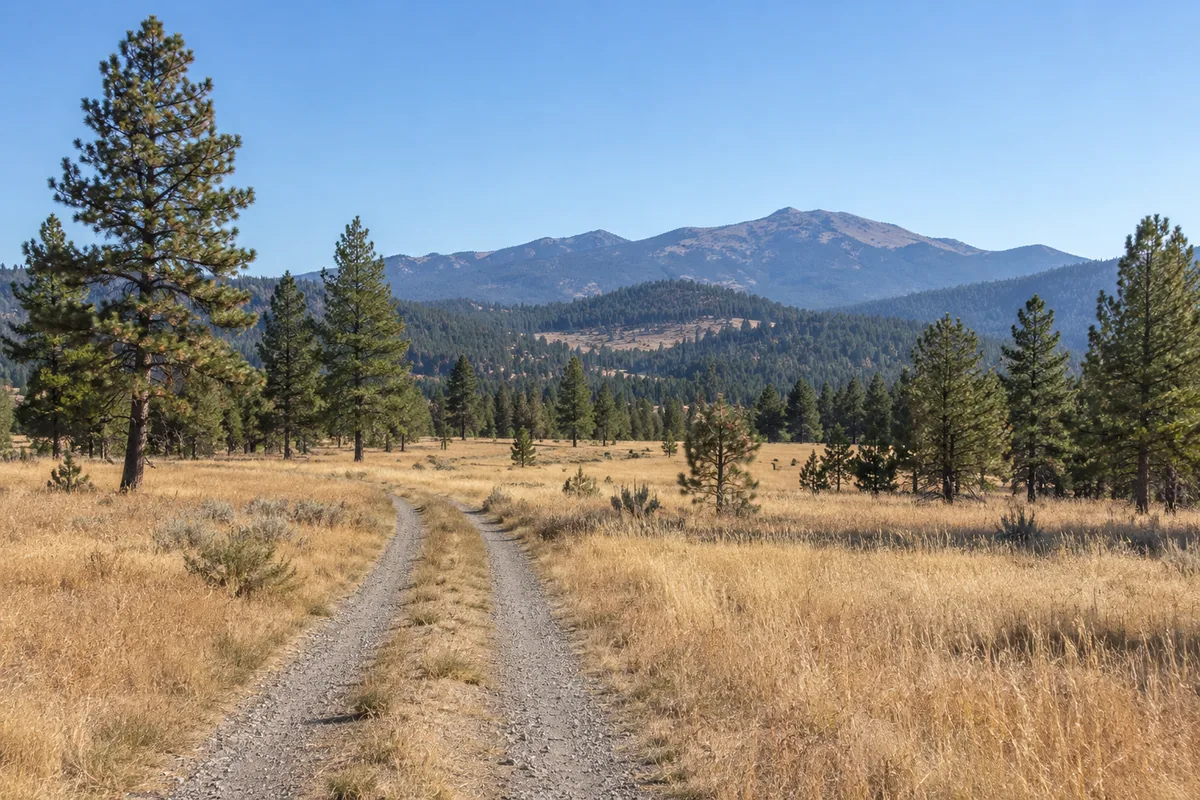
Find the assessor parcel number, or APN, on your tax bill. Keep it with the deed, owner names and a location map. Add directions from the nearest road if the land has no address. Make one row for each parcel you want to sell.
The county’s Parcel Search page explains that you can search by APN or street address. Vacant land may have no street address, so the APN is the better starting point. The county links to an outside service and directs data-verification questions to the Assessor.
Save the parcel map with your file. If a result seems wrong, note what does not match your records and ask the county to check it. Do not silently replace a deed detail with a map label.
The county’s zoning page says it does not have a current official countywide digital zoning map. It also warns that the old countywide paper maps do not show every later zone change.
The page links to marked-up assessor maps and recommends contacting Planning to confirm a property’s zoning and other land-use limits. Give staff the APN and the use a buyer has in mind. Keep their answer, its date and any open questions with your sale file.
The county zoning code covers land outside the city of Loyalton. Loyalton has its own code. Check which office handles your land before using a county zoning answer in a listing.
A confirmed zoning label still leaves questions about a specific project. Ask what other checks or approvals would be needed. Share the answer as given rather than calling the land ready to build.
The county’s GIS map page describes online parcel views and reports with acreage and assessed values. GIS means an online map with layers of information. Use these tools to organize the land details you will share with buyers.
The Parcel Search page explains that the secured roll value is an assessed value used for taxes in the current fiscal year. It is not a completed sale price. Keep that figure in its own column when you compare the land with recent sales.
For a useful comparison, write down where each number came from. Label a tax value, an asking price and a confirmed sale differently. If an acreage or parcel detail conflicts with your records, ask the appropriate office before relying on it.
Keep copies of the reports you used and note the date. A buyer can then see the same starting information while checking the features that matter to their plans.
Write directions from a public road. Note gates, shared drives and who should approve a visit. If reaching the land means crossing another tract, share any written access agreement with the closing team.
List what you know about water, power and septic. Save well reports, service letters and permit records you have. Say what is unknown. Equipment on the land does not by itself answer whether it works or whether a new use can be served.
For land in use by someone else, share leases or other written agreements. Explain what the buyer needs to check about that use before choosing a closing date.
Start with land that might appeal to the same buyer. Compare access, slope, usable space and services before comparing acres. A small lot with utilities is a weak match for a large tract without services, even if both are nearby.
Keep confirmed sale prices separate from active asking prices. Save each useful sale’s date, parcel identity and main differences. Do not turn an unverified listing into a completed sale or use a tax value as your only price guide.
If useful sales are scarce, ask a local land agent or appraiser to explain a reasonable range. Our California land seller guide has more ways to prepare.
A land agent can help market the property and handle buyer questions. Ask about fees, the listing term and how visits will work. Selling it yourself gives you more of that work, including calls and offer review.
A direct offer gives you another option to compare. Ask what the buyer still needs to check, which costs you pay and when either side can cancel. Do not choose from the headline price alone.
Reelvest buys land directly from owners. Tell us about your Sierra County land if you want us to review it for an offer. You can compare any offer with your other choices before deciding.
Ask the closing team to list the price, your costs, loan payoffs and any taxes to be paid. That estimate helps show the money you would keep. Ask which figures are still subject to change.
Mention shared owners, an estate, a name change or an old loan early. Keep a list of needed papers and who will provide them. A target date is more useful when you know what must happen first.
Use our document checklist to organize what you have. If you want to sell several tracts together, our land portfolio page explains how to start with a parcel list.
No. The county says it does not have a current official countywide digital zoning map. Contact Planning to confirm zoning and other land-use limits for the parcel.
The county zoning page says Loyalton has its own zoning code. Check which office handles the land before relying on a zoning answer.
No. The county describes it as an assessed value used for taxes. Keep it separate from asking prices and confirmed sales when you compare values.
Yes. Share the location and the records you have. List open questions so we can review the land and discuss the next step.
Local source links reviewed October 21, 2026.