
Start selling your San Joaquin County land by matching the parcel number to the land you plan to offer. Gather maps and ownership papers, check questions about land use, and explain access and services. Then compare buyers, costs and closing terms before you decide.
Tell us about your land. There’s no obligation to accept an offer.
Start with what you know. These steps will help you get ready and choose the way to sell that fits you.
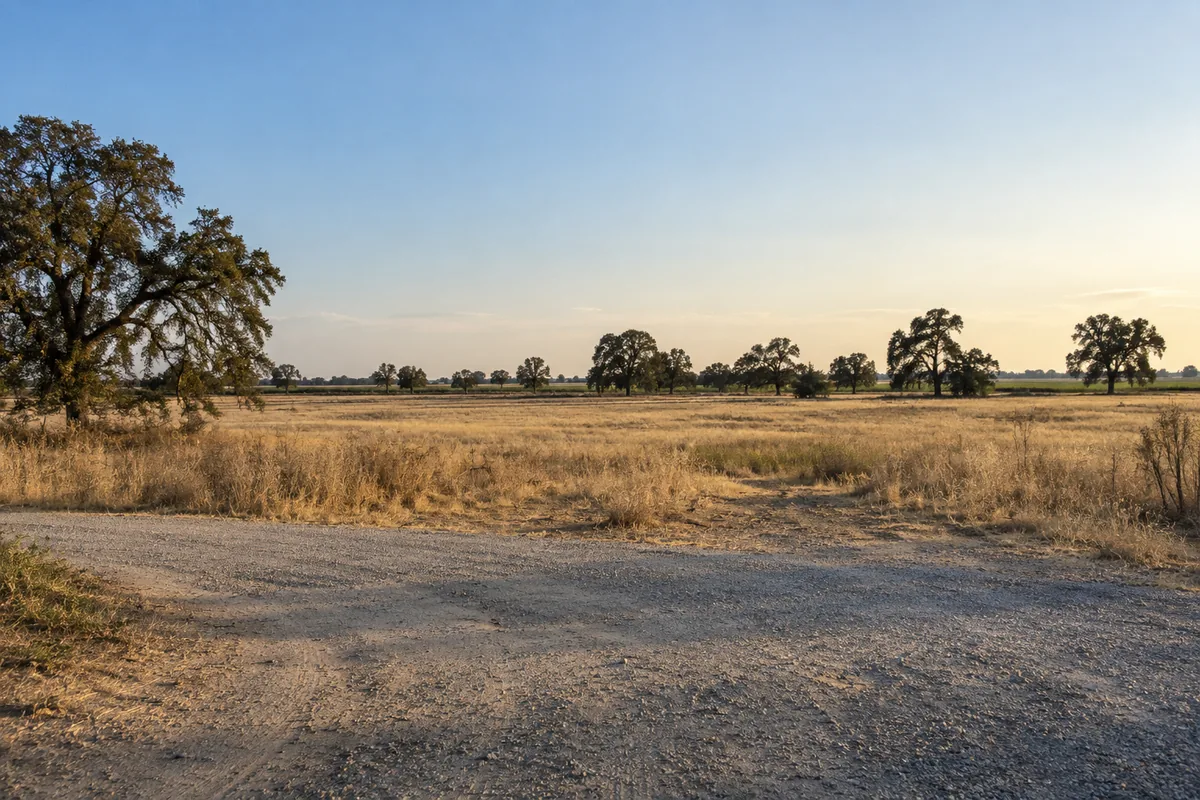
Find the assessor parcel number, or APN, on your tax bill. Keep it with your deed and the owners’ names. If you have more than one parcel, list each APN and make clear which pieces you want to sell.
The county’s Parcel Maps page links to its online assessment maps. The Mapping Department also provides copies in person or by mail, fax or email. Ask about the current charge before ordering a copy.
Use the map to help explain where the land is. Keep any survey you already have with it. If the map and your papers seem to show different land, ask for help before advertising a size or drawing sale boundaries.
The county’s Planning FAQs give a clear way to start: open sjmap.org, choose District Viewer, and search by APN or address. Look in Parcel Query Details for zoning. You can also choose Layers, then Planning, then Zoning.
Zoning means the local rules for how land may be used. Save the label you find and ask the office that handles your land about the buyer’s intended use. The county says setbacks—the space kept between a building and a property line—depend on zoning, and exceptions may apply.
A map label is a starting point, not a building permit. Keep written answers and permit records in your file. Describe a future use as unconfirmed until the needed checks are done.
The Recorder’s document and map page links to a Grantor/Grantee Index. That is an index of names on recorded transfers. The online index covers January 1, 1968, to the present.
If you need an older deed, do not assume a missing online result means no record exists. The county says older official documents are available digitally and on film. Ask the Recorder how to locate the record and obtain a copy.
The office also has recorded subdivision, survey and parcel maps dating back to 1851. Keep the document or map number when you find a useful record. Share copies with the closing team so they can review ownership and any questions that affect the sale.
Before a visit, give buyers directions from a public road. Note gates, shared lanes and who should approve access. A road on a map does not show every right or limit on using it.
For land used to grow crops or graze animals, gather any lease and explain who is using the land now. List wells, irrigation equipment and service accounts you know about. Keep records behind those answers; do not promise water service just because a ditch runs nearby.
Write down unknowns too. If you do not have a well record or a written road agreement, say so. That gives the buyer a clear list to check rather than a surprise near closing.
Start with land that might appeal to the same buyer. Compare access, slope, usable space and services before comparing acres. A small lot with utilities is a weak match for a large tract without services, even if both are nearby.
Keep confirmed sale prices separate from active asking prices. Save each useful sale’s date, parcel identity and main differences. Do not turn an unverified listing into a completed sale or use a tax value as your only price guide.
If useful sales are scarce, ask a local land agent or appraiser to explain a reasonable range. Our California land seller guide has more ways to prepare.
A land agent can help market the property and handle buyer questions. Ask about fees, the listing term and how visits will work. Selling it yourself gives you more of that work, including calls and offer review.
A direct offer gives you another option to compare. Ask what the buyer still needs to check, which costs you pay and when either side can cancel. Do not choose from the headline price alone.
Reelvest buys land directly from owners. Tell us about your San Joaquin County land if you want us to review it for an offer. You can compare any offer with your other choices before deciding.
Ask the closing team to list the price, your costs, loan payoffs and any taxes to be paid. That estimate helps show the money you would keep. Ask which figures are still subject to change.
Mention shared owners, an estate, a name change or an old loan early. Keep a list of needed papers and who will provide them. A target date is more useful when you know what must happen first.
Use our document checklist to organize what you have. If you want to sell several tracts together, our land portfolio page explains how to start with a parcel list.
The county directs owners to District Viewer at sjmap.org. Search by APN or address, then check Parcel Query Details or the Planning and Zoning map layers. Ask Planning about your intended use.
Yes. The county Mapping Department provides copies in person or by mail, fax or email. Ask about the current charge and what parcel details they need.
The online Grantor/Grantee Index starts in 1968. The county says older official documents are available digitally and on film. Ask the Recorder for help locating a copy.
Yes. Share a parcel list with locations and APNs if known. Tell us which pieces you want to sell and what you know about shared roads, leases or missing records.
Local source links reviewed October 20, 2026.