
Start selling your Napa County land by finding the parcel number and gathering the papers you have. Then compare similar sales, choose how to reach buyers and review the costs and terms. You can begin even if some records are missing.
Tell us about your land. There’s no obligation to accept an offer.
Start with what you know. These steps will help you get ready and choose the way to sell that fits you.
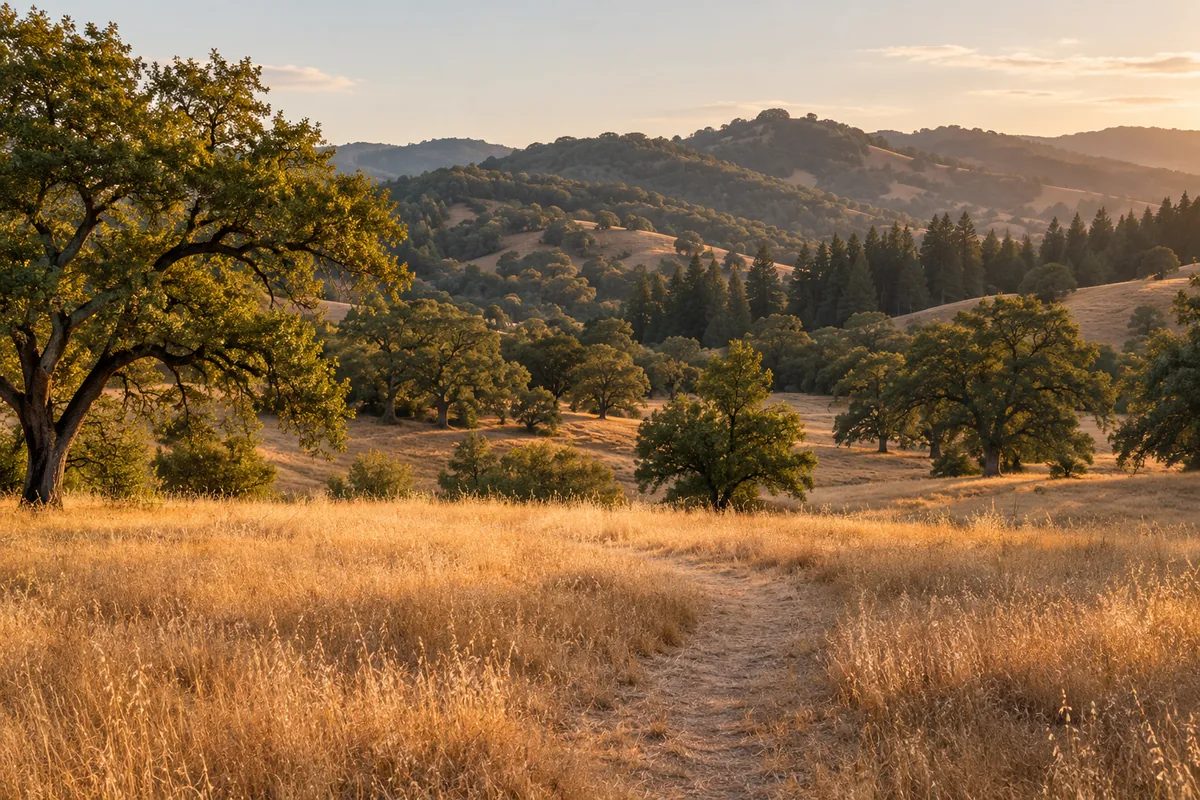
Start with your tax bill or deed. Look for the assessor parcel number, often called the APN. It helps you and a buyer point to the same piece of land. Keep the full number, even if the land has no street address.
Napa County’s property and map guide explains how to get a parcel report. It says to enter all 12 APN digits without dashes. You can also search by address. Save the report and check that the map matches the land you mean to sell.
The report brings together aerial views, permit data and other property details. The county warns that its database may not hold every document. A missing result is a reason to ask for help, not a reason to assume no record exists.
A map can help a buyer understand the land. But different maps serve different tasks. An assessor map helps identify land for tax records. An older survey may show measurements and marked corners. Keep both if you have them.
The county’s filed map search covers parcel maps, records of survey and subdivision maps. You can search by title, filing date, book and page, map number or location. Its separate Assessor Map tab uses a map book and page.
Here’s an easy detail to miss: the “Assessment Maps” category means assessment district maps. It does not mean assessor map book pages. Use the right tab so you don’t mistake an empty search for a missing map.
Corner records are not available online through that service. Ask the County Surveyor for them. If the location of a boundary is unclear, discuss the need for a survey before promising a buyer where the line runs.
Write down the road name, the last turn and any gate along the route. Add current photos of the entry and the path across the land. Tell a buyer if you need to arrange permission for a visit.
Check the Napa County Roads page before a showing. It provides road closure information, road project links and Roads Division contacts. Ask about the exact stretch of road if maintenance is unclear.
Keep any papers about shared roads or access rights with your sale file. A route on a map does not answer every access question. Let the title company review recorded rights, and explain what you know about day-to-day use.
A buyer may ask about water, power, septic, slopes and future uses. Start with the facts you can show. A well report, permit or utility letter is more useful than a guess. If you do not have a record, say so.
For example, “power lines run along the road” is different from “power is connected.” “There was once a building here” is different from “you can build a new home.” Give buyers the records you have and let the right office answer questions about their plans.
Before paying for clearing, testing or other work, ask what it would solve. You may be able to sell the land with open questions clearly explained. You do not need a perfect file to start a conversation.
Look for recent sales with similar size, road access, terrain and services. A small lot with a driveway and utilities may not help you price a large hillside tract. Nearby land can still be very different.
Keep asking prices separate from completed sales. For each useful sale, note the date, price, acres and main differences. If you cannot confirm a detail, leave it unknown. Do not build your price around a listing that only looks similar in a photo.
Consider a local land agent or appraiser when the price range is hard to judge. You can also compare a direct offer with the likely costs and time of a public listing. See our California land seller guide for more ways to prepare.
Reelvest buys land directly from owners. Tell us about your Napa County property if you want an offer to compare. We will review the details and let you know if we can make an offer. You decide whether it fits your plans.
Put each offer on a short list: price, fees you pay, loan payoff, taxes, buyer checks and target closing date. Ask the closing company for an estimate of the money you would keep. The highest price may come with different costs or more conditions.
Bring up shared ownership, an estate, an old loan or a name change early. The closing team can explain what papers it needs for your sale. Get answers before you count on a date.
Start with your APN, deed, tax bill and any maps or reports you already have. Our land seller document checklist can help you gather the rest. If you own several tracts, our land portfolio page explains how to start with a parcel list.
Yes. Start with your APN from the tax bill or deed. Napa County’s parcel-report instructions call for all 12 digits without dashes. Check the map before sharing the result.
No. The county has a filed map search, but its corner records must be requested from the County Surveyor. Ask the county which record fits your question.
Start by explaining what you know and sharing the papers you have. Ask what any proposed work would solve before paying for it. Buyers may differ in what they are willing to take on.
Use the form on this page to share the location and what you know. We will review it and let you know if we can make an offer. There is no charge to ask.
Local source links reviewed October 19, 2026.