
To sell land in Merced County, gather the location and papers you have, choose how to find a buyer and compare offers. You can start with a tax bill or map pin. The county tools below can help you find missing records before you agree to a sale.
Tell us about your land. There’s no obligation to accept an offer.
Start with what you know. These steps will help you get ready and choose the way to sell that fits you.
Start with the owner names, location and acres if known. Add the closest road and a map pin if the land has no street address. List each parcel you want to sell. A parcel is a piece of land the county tracks with its own number.
Gather any tax bill, deed, survey, loan statement or lease you have. A deed records a transfer of land. A survey shows measured boundaries. You can ask about selling while you work on missing papers.
If you have several pieces, note which belong together and which you might sell on their own. Our land portfolio guide helps you compare a group sale with separate sales. Keep each parcel number on the list so no piece is left out.
An APN is an Assessor’s Parcel Number. Look for it on your tax bill. Merced’s online assessment service uses parcel or assessment numbers. It does not offer online searches by owner name or street address. The records include assessed values, land details and maps, but they are not updated all the time.
If you do not have the number, the Assessor’s public counter has records indexed by owner, parcel number and address. The counter is on the second floor at 2222 M Street in Merced. Call 209-385-7631 to ask what to bring before making a trip.
The parcel map download page says you can use the first five digits of the APN from your tax bill to find the map book and page. Follow the example on that page. Keep the full APN on your sale notes.
The county says these maps are for tax assessment. They do not establish legal ownership or show that land can be split or used in a certain way. Use a map to help locate the land. Ask the closing team to check it against the deed.
Merced’s legal records search page links to an online name index for documents recorded since 1963. It is called a grantor/grantee index. Those terms refer to the parties giving and receiving an interest in land.
The online result shows index details, not the full document. Save the document number and recording year when you find a likely match. Check the names and record type before ordering anything.
The county says indexes for records before 1963 must be searched in person at the Clerk-Recorder’s office. You can also view documents at its public kiosks without a viewing charge. The office is on the main floor at 2222 M Street in Merced. Call 209-385-7627 if you need help finding an older record.
The county’s copy instructions list what you need: the document type, document number or book and page, recording year, and at least one name on the record. You also need the name and address where the copy should go.
The office offers copies by mail and in person. Check its current fees and ordering steps before paying. Ask your closing team whether an ordinary copy will work or whether they need a certified copy. A certified copy is one the office confirms as official.
If an owner has died or the land has several owners, share the papers you have with the closing team. Ask which records and signatures are still needed. Our seller document checklist helps you track those gaps. Keep private family papers out of public ads.
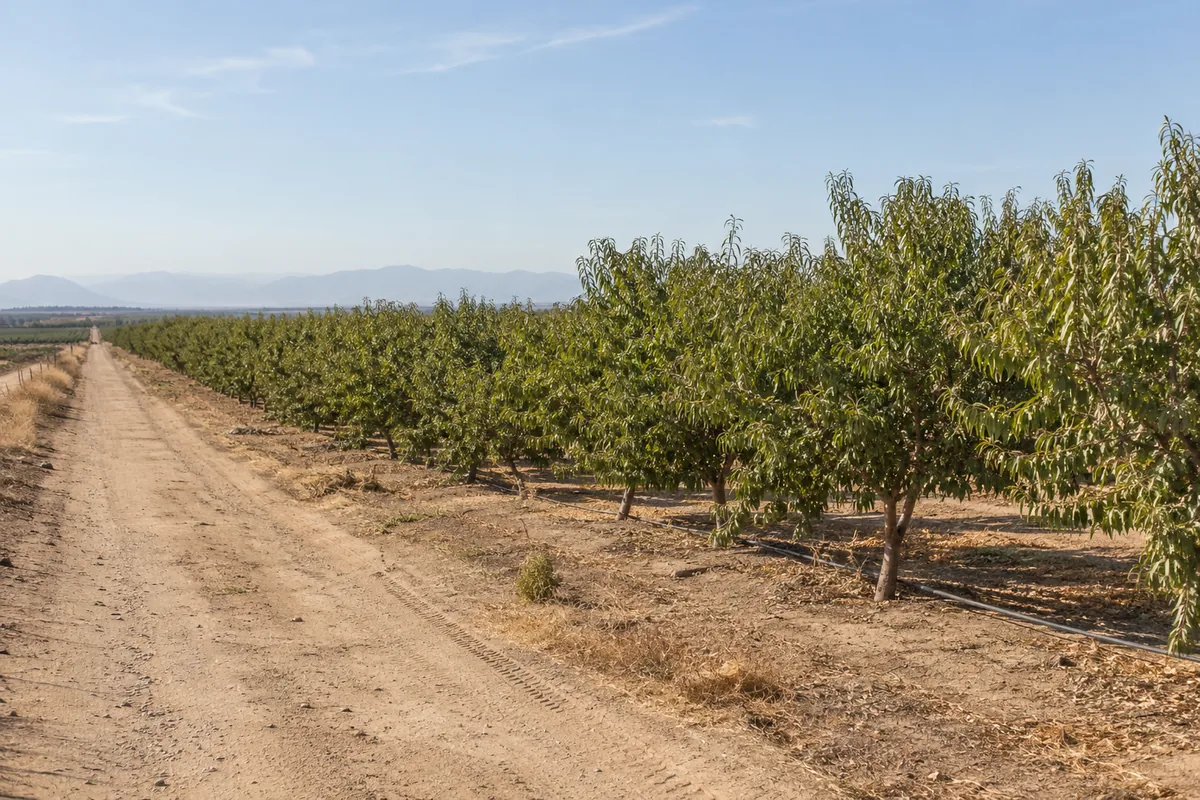
Take clear photos of the entrance, roads, open ground, trees and any buildings. For farm ground, show the lanes that reach the fields or orchard. Note gates and shared roads. A road on a map is not the same as a written right to use it.
Explain any current crop, tenant or lease. List what you plan to include in the sale, such as equipment, fencing or stored materials. Share the lease with the closing team so the agreement can address it. Do not promise that land will be empty by a date you have not checked.
Describe water and power that work on the property now. Share well records, service bills or other papers you already have. Tell buyers what you know about the source and what still needs checking. A nearby canal, line or well does not by itself answer whether a buyer can use that service.
For a vacant lot, gather any permits or written answers about its use. Zoning means local rules for land use. Ask whether the city or county handles your parcel. Let buyers check their plans rather than promising a house or split based on nearby land.
Ask a local land agent or appraiser for recent completed sales. Compare the actual land: road access, size, services, buildings and current use. A working orchard and an empty lot may appeal to different buyers even if their acreage is close.
Check which parcels were included in each sale. Count a deal that sold several pieces together once. Ask how the price and date were confirmed. An asking price is what a seller hopes to get; it is not proof of a completed sale.
We do not have a verified current Merced County price per acre to quote here. A tax assessment also is not a sale price. Our land value guide helps you organize useful comparisons without treating every acre as the same.
A land agent can help price the land, make an ad, handle visits and review offers. Ask about similar land they have sold, their fee and how long the listing lasts.
Selling it yourself means you handle photos, calls, visits and follow-up. Think about the time you can give it. You can still get help with the agreement and closing.
A direct buyer gives you an offer to compare. Look at the price, costs, buyer checks and timing. You can decline an offer that does not fit.
If you want to compare a Reelvest offer, tell us about your land. For several parcels, you can also read about selling a land portfolio to Reelvest. Start with what you know; you do not need every paper to ask.
Ask for a written breakdown of the money you keep. For example, a $60,000 offer minus $5,000 in seller costs leaves $55,000 before loan or tax balances. These are made-up numbers to show the math, not Merced land prices.
Share your recent tax bills and loan statements. Ask the closing team to check the amounts owed for the planned sale date. A loan payoff is the amount needed to clear a loan, and it may differ from an old statement balance.
Use our offer comparison worksheet to compare known costs. Leave unknown amounts blank until checked. Ask who pays each cost, when the deposit is due and when a buyer can cancel.
Closing is the final paperwork and payment step. Check the parcel list, included items, deadlines and signatures. Ask who handles the closing and how payment reaches you. Our land sale agreement guide explains common terms. Keep the signed agreement and final closing statement.
The county’s online service uses parcel or assessment numbers, not names or street addresses. Its in-person public counter has records indexed by name, parcel number and address. Call the Assessor if you need help finding your number.
Start with the APN on your tax bill. The county’s map page explains how to use its first five digits to find the map book and page. Keep your full parcel number for the sale.
No. It shows index details for documents recorded since 1963. The county says earlier indexes must be searched in person. Use the document details to find the right copy.
Gather the document type, number or book and page, recording year, one party’s name, and the return name and address. Check the county’s current copy instructions before paying.
You can ask buyers to consider a group sale. List each parcel, its owner and any loan or lease. Compare a whole-group offer with separate offers, including costs and timing.
No. Start with the location and papers you have. Explain what is missing. Ask what must be checked before signing or setting a closing date.
Local source links reviewed October 19, 2026.