
Start with your tax bill or deed, the land’s location and what you know about it. Check the details buyers will ask about, choose a price and decide how to sell. You can use an agent, find a buyer yourself or compare direct offers. Missing papers don’t have to stop the first conversation.
Tell us about your land. There’s no obligation to accept an offer.
Start with what you know. These steps will help you get ready and choose the way to sell that fits you.
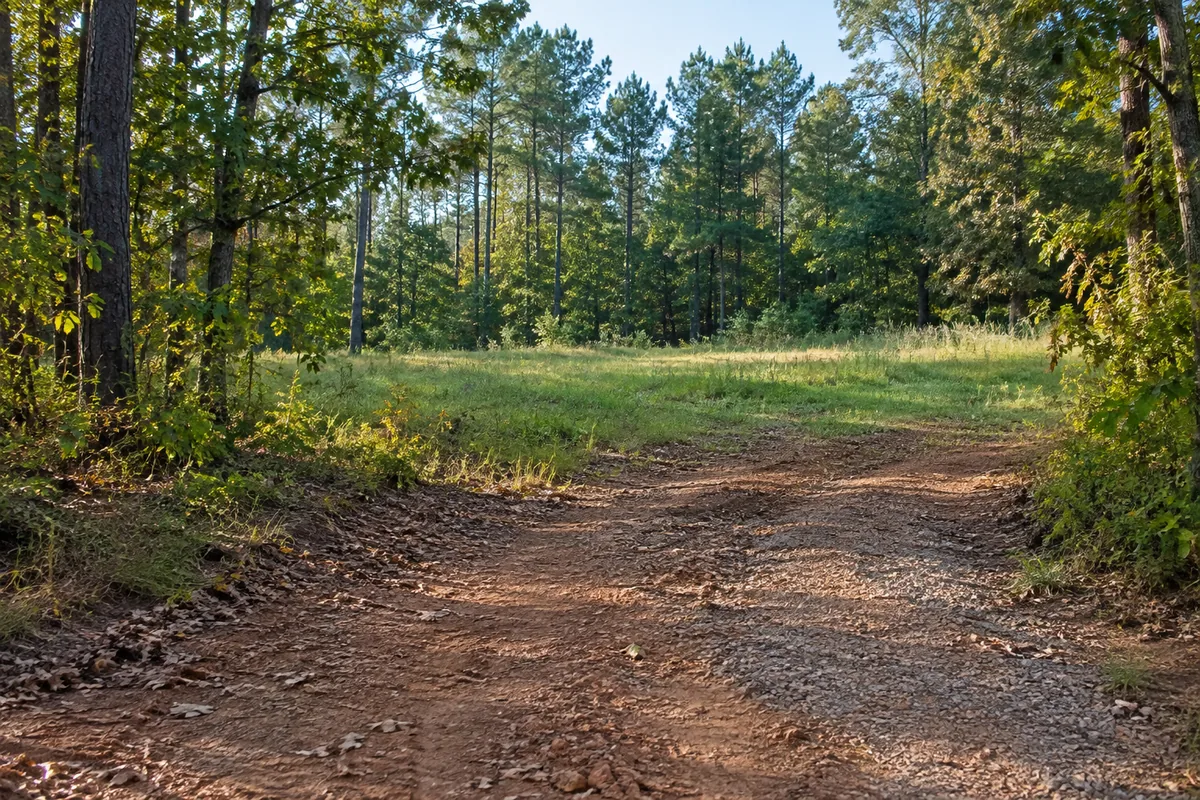
Gather a tax bill, deed, old survey or closing papers. Write down the owner names, acres, land ID number and nearest road. A parcel is one piece of land in county records. List each one if you plan to sell several together.
The county’s Mapping Department page links to Tuscaloosa GIS, its online tax maps. Start there to match the location and land record to your papers. For mapping help, call 205-464-8393.
The county says its maps are for tax purposes. They aren’t the papers used to transfer ownership. A map can help you find the land, but it doesn’t settle the exact boundary. Ask about any mismatch in acres, location or names before sharing the details with a buyer.
If the land has no street address, keep its land ID number and nearest road. Don’t use a neighbor’s address as your own. If you want to sell only part of a larger tract, say so early. A buyer needs to know whether that piece already exists as a separate lot or still needs to be created.
You don’t need to find every old paper on day one. Put what you have in one folder and make a short list of missing items. Our seller paperwork checklist can help you decide what to look for first.
For a recorded deed, start with the county’s Records and Recordings page. It links to the county’s Search Records service. If you can’t use the service or aren’t sure which copy you need, call 205-464-8206. Have owner names and any deed book, page or recording number ready.
The page also lists separate contacts for recording requests and historical copies. Ask which option fits the record you need and what a copy costs. You don’t need to create an online account just to ask the office for directions.
If you share the land, talk with the other owners about the plan before choosing a sale date. If you’re helping settle a loved one’s estate, gather the deed and estate papers at your own pace. The county’s Probate page recommends speaking with an attorney about whether an estate needs to be opened. A closing professional or attorney can explain which papers and signatures your sale needs.
Share what you know about a trust, company ownership or any name changes too. Don’t guess who can sign for someone else. Ask the person handling closing to check that question early.
Take current photos of the entrance and different parts of the land. Share a map pin and clear visit directions. Tell buyers about a locked gate, rough road, steep place, wet area or stored items you know about. Say if you haven’t visited recently.
If reaching the land means crossing someone else’s property, share any written agreement. An easement is a right to use part of another person’s land for a stated purpose. Ask the closing team to check the papers. A road drawn on a map doesn’t settle that right.
List wells, septic systems, power connections, fences and buildings if there are any. Keep old permits, service bills or survey papers you already have. A line on the road doesn’t tell a buyer whether a connection is approved or what it costs.
Before calling land ready for a home, ask the office that handles planning for its location. Explain the land ID and the buyer’s intended use. Ask where to check building, septic and entrance questions. Mark unknown items clearly instead of turning a guess into a selling point.
If a renter, farmer, hunter or someone cutting timber uses the land, keep the agreement. Discuss visits, remaining work and when the buyer could take over. Explain whether equipment or other items are part of the sale.
You don’t need to solve a buyer’s whole building plan before asking about selling. Start with the questions that could change how they use the land. Written answers and existing records can help you explain it accurately.
The county’s Flood Plain Management page says to call 205-345-6600 to ask whether a property falls in a flood zone. Have the land location and map ready. The page links to flood maps, permit information and other resources.
Tell the office about the specific place or use you’re asking about. Ask which office handles the land if it is in a city or town. A creek nearby doesn’t by itself answer the flood question. Keep any written response with your sale papers.
If you plan to split land, read the county’s Subdivision Regulation page. A subdivision means dividing land into separate pieces. The page lists the Subdivision Coordinator at 205-345-6600 and links to a map of planning areas and city or town limits. It says to contact nearby cities and towns too.
Ask who reviews your proposed split and what would be needed before selling that piece. Don’t promise approval or pay for a large plan before understanding the steps. A Tuscaloosa mailing address alone doesn’t settle which office applies.
Ask a local land agent for a few recent completed sales that buyers would compare with your land. Ask why each is a useful match. Keep active asking prices in a separate group; they show what a seller wants, rather than what a buyer paid.
Match the acres, location, road access, ground and likely use. A small lot near homes may be a poor match for a larger wooded tract. Check whether a sale included a house, several parcels or other items. Keep the parcel or deed reference so you don’t count the same deal twice.
A tax assessment is a value used for taxes. It isn’t a buyer’s offer. Use it to check the land record, then discuss similar completed sales for pricing. Our land value guide explains more.
You can list with a land agent, sell it yourself or compare direct offers. An agent can help with pricing, ads and visits. Selling yourself means handling those jobs and finding help with the papers. A direct offer gives you one buyer’s terms to weigh. Think about the work you want to do, your timing and the money left after costs.
Before accepting an offer, ask for a written estimate of the money you would receive. The offer price can be reduced by costs, a loan balance or unpaid bills. Ask who pays agent fees, survey work, recording charges and closing costs.
For tax balances, the county’s Tax Collector Payment Options page links to online payments and payment status. For the Collector’s office, call 205-464-8230. Have the tax bill or land ID ready. Ask for the balance that would apply at the planned closing date.
Share any tax-sale notice or loan papers with the closing team early. Ask how each amount would be handled. If a notice has a deadline, ask about it right away; planning to sell doesn’t deal with the notice by itself.
For example math, a $60,000 offer minus $3,000 in seller costs and $2,000 in amounts owed leaves $55,000. These figures are made up, not a price estimate for Tuscaloosa County land. Compare your own costs before deciding.
Check what the buyer still wants to inspect, how long they have, when they can cancel and what happens to the deposit. Our offer worksheet helps put the answers side by side. A higher offer may leave less money or involve more waiting.
Once you choose a buyer, make sure the written agreement describes every piece of land and anything else included. Ask who will handle closing and how they will keep you updated.
The closing team checks ownership records and prepares the sale papers. Ask which documents they need, who must sign, and which buyer checks are still open. Get a target date and a short list of unfinished items rather than assuming every sale takes the same time.
Before signing, review the final money figures and ask about anything you don’t understand. Follow the closing team’s signing and payment steps. Keep copies of the agreement and closing papers.
If you’d like a direct offer to compare, tell Reelvest about your land. We’ll review it and let you know if we can make an offer. You decide whether it fits. You can also start with our Alabama land seller guide.
Start with a tax bill or deed, the location, owner names and acres if known. Write down the land ID number and any open questions about access or ownership. Missing papers can be found as you work through the sale.
Start with the county Mapping Department page and its Tuscaloosa GIS link. For mapping help, call 205-464-8393. County tax maps help locate land; they don’t settle the exact boundary or transfer ownership.
Use the county Records and Recordings page or call 205-464-8206. Have owner names and any book, page or recording number ready. Ask which copy you need and the current fee.
The county Flood Plain Management page lists 205-345-6600. Have the land location and map ready, and ask which office applies if the land is in a city or town.
Say which piece you want to sell and ask what it takes to create it. Start with the county Subdivision Regulation page and Coordinator at 205-345-6600. Ask whether nearby city or town rules also apply.
Gather the deed and estate papers at your own pace. An attorney or closing professional can help explain who can sign and what is missing. Include other owners in the plan before choosing a sale date.
Compare money left after costs and amounts owed, along with buyer checks, cancellation terms and timing. Get the details in writing before choosing.
It depends on finding a buyer, their agreed checks, ownership records and signatures. Ask for a target date and a list of open items. No single timetable fits every piece of land.
Local source links reviewed October 5, 2026.