
To sell land in Rhode Island, start with the city or town where it sits. Find the deed and tax record, check what makes the land useful, then choose how to find a buyer. You can list with an agent, sell it yourself or ask a land buyer for an offer. You don't need to have every answer before you start.
1. Find your land in city or town records
Rhode Island keeps land ownership records at the city or town level. Start there, even if you only know the county name. A county guide can help you learn about an area, but the local clerk is the place to ask for the deed.
- Find the town name. Look at a tax bill, old deed or papers from when the land was bought.
- Look up the tax record. Use the town's tax assessor link on the Rhode Island land and tax records directory. Try the owner name or address. Save the lot number and acres shown.
- Get a copy of the deed. Use the land records link for that town, or ask its clerk for help. The deed shows who owns the land and describes what was transferred.
You may see a plat and lot number. That's how the town labels the land on its tax map. Copy it exactly. The deed may also have a book and page number, which helps the clerk find it.
If an online link isn't available or doesn't work, call the city or town clerk. Say, “I'm getting ready to sell land. How can I get a copy of the deed?” You don't have to learn the whole records system first.
2. Put the papers you have in one folder
Start with these items. A photo or scan is fine for early talks with an agent or buyer.
- Your deed and latest tax bill.
- An old survey or lot map, if you have one.
- Any papers about shared driveways, road access or use of the land.
- Loan information and any tax balance you know about.
- Existing building or septic plans, if they apply.
You don't need to order a new survey just to ask about selling. First find out whether a buyer or the person handling closing needs one. A tax map can help locate the lot, but it doesn't replace a survey of the boundaries.
If the land came to you after a loss in the family, it's okay to take this one step at a time. Bring the deed and any estate papers you already have. A closing professional can help you find out who can sign and what else may be needed. You can also use our inherited land guide.
3. Describe what a buyer needs to know
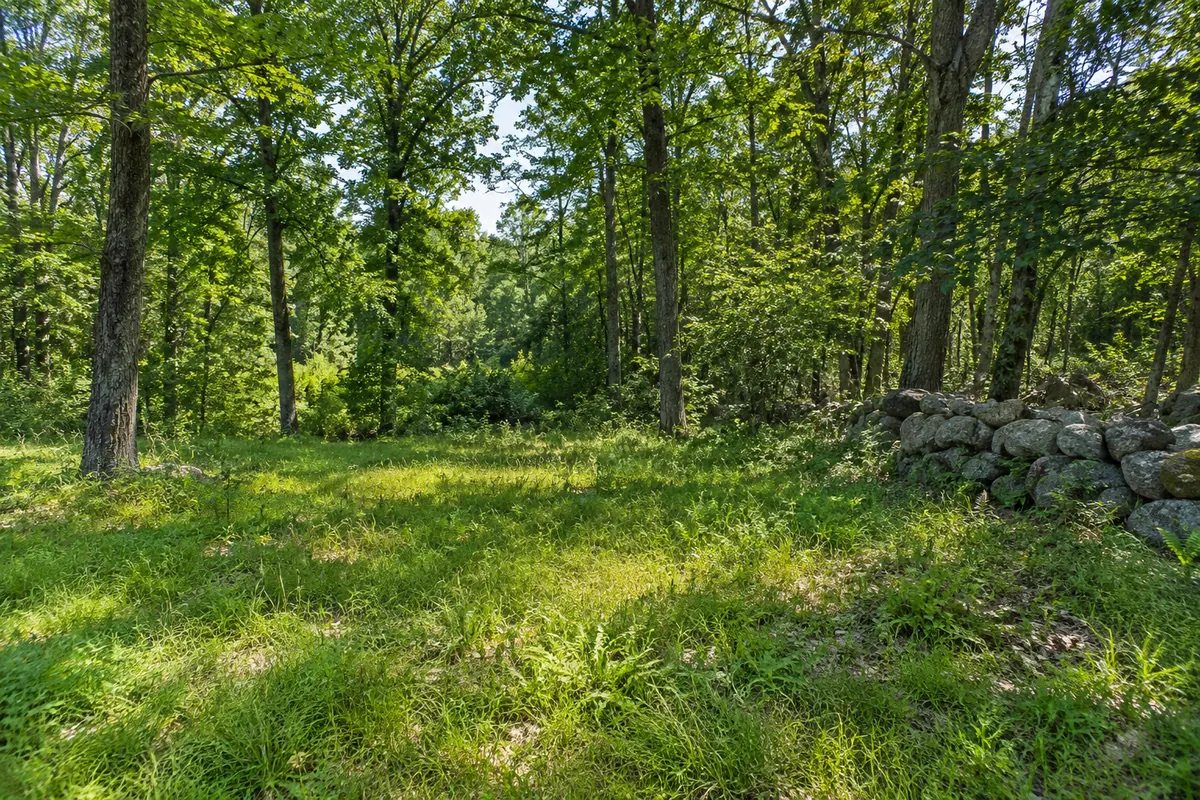
Write a short, honest description. Start with the location, size and current use. Add a few clear photos. For a wooded lot, show the road edge, a path or opening, and the slope. You don't need to clear the woods for pictures.
Then note what you know about these questions:
- How do you reach it? Does it touch a public road? If you use a shared drive, do you have a written right to use it?
- What's on it? Mention buildings, old foundations, fences or someone else's belongings.
- What services are there? Say whether you know about water, sewer or power. A line nearby doesn't mean a connection is ready.
- Is anyone using it? Tell a buyer about renters or other agreements that may continue after a sale.
If you're unsure, say so. “I haven't checked whether it can be built on” is more useful than a promise you can't back up. For building questions, ask the town's planning or building office about the exact lot.
If you have an existing septic plan or system, check the Rhode Island DEM septic records page. It links to historic and active permit searches. Older records may use an earlier plat and lot number; the town assessor can help with that. Save what you find. A record doesn't tell you that a system works today.
4. Set a price using similar land
Start with recent sales of lots like yours in the same town or nearby. A small lot served by sewer can have a different value from a large wooded tract. Size alone won't tell you what your land is worth.
For each sale, write down the date, price, size, road access and any buildings. Check that the price is for that one lot, rather than several lots sold together. Use sales with similar features where you can.
Online asking prices can show your competition. They don't show what a buyer actually paid. The value on your tax record also isn't a promise of a sale price. If good matches are hard to find, ask an agent who sells vacant land how they would price yours.
Choose an asking price and a lower amount you'd be comfortable keeping after costs. Our land value guide can help you make a simple comparison.
5. Choose how you want to sell
- List with a land agent. An agent can help with pricing, ads and offers. Ask about their experience with vacant land, the fee and what work they expect from you.
- Sell it yourself. You handle the listing, calls and buyer questions. This can save an agent fee, but takes your time. You'll still need help with the contract and closing.
- Ask a direct buyer for an offer. This gives you another option to compare. Look at the amount you'll keep, any costs you pay and the terms in writing.
You can talk with more than one kind of buyer before deciding. If you'd like to include Reelvest in that comparison, tell us about your land. You decide whether an offer fits your needs.
6. Compare offers and get ready for closing
Don't judge an offer by the price alone. Ask what costs come out of your share, what checks the buyer plans to do and when they want to close. A higher offer may leave you with less money if you pay more of the costs.
Ask the person handling closing for a written estimate of the money you'll keep. It should account for any loan payoff, unpaid taxes and agreed fees. Don't guess from the sale price.
Before you sign a contract, make sure it names the right land and owners. Read the price, deadlines and reasons either side can end the deal. Ask for help with anything you don't understand.
Closing is the final step: the agreed papers are signed, payment is handled and ownership changes. Keep copies of your signed papers and final cost statement. If there are items to remove or a handover plan, agree on that in writing beforehand.
For a quick starting point today, find the town name, save your tax bill and write down your biggest question. That's enough to begin a useful conversation about selling.
More help for Rhode Island land sellers
Browse our Rhode Island selling page for area guides. These are a starting point for seller questions; use your city or town for the official records for your lot.
Need a shorter checklist? See papers to gather before selling land.
Questions About Selling Land in Rhode Island
Do I need all my papers before I talk to a buyer?
No. Start with the town name, location and any tax bill or deed you have. Missing papers can often be found through the local clerk or assessor. Ask what's needed before paying for new work.
Should I use county records to find my Rhode Island deed?
Start with the city or town where the land sits. Rhode Island records land ownership documents through local city and town offices. The local clerk can help you find a deed.
Do I have to prove the land can be built on before selling?
Don't promise a building site unless you have support for that claim. You can start by sharing what you know and any existing plans. Ask your town about the lot, and agree with the buyer on any further checks.
Can I compare an agent's plan with a direct offer?
Yes. Compare the price, costs you pay, work involved and sale terms. Ask questions before signing. An offer from Reelvest is one option you can consider alongside other ways to sell.
Local source links reviewed October 4, 2026.