
To sell hunting land, show buyers how they can reach it, what’s on it, and who has the right to use it. Gather the deed, access papers, any hunting lease, and recent photos. Then compare offers for the same land and rights, including the money you’ll keep and the work left before closing.
Start With the Questions a Buyer Will Ask
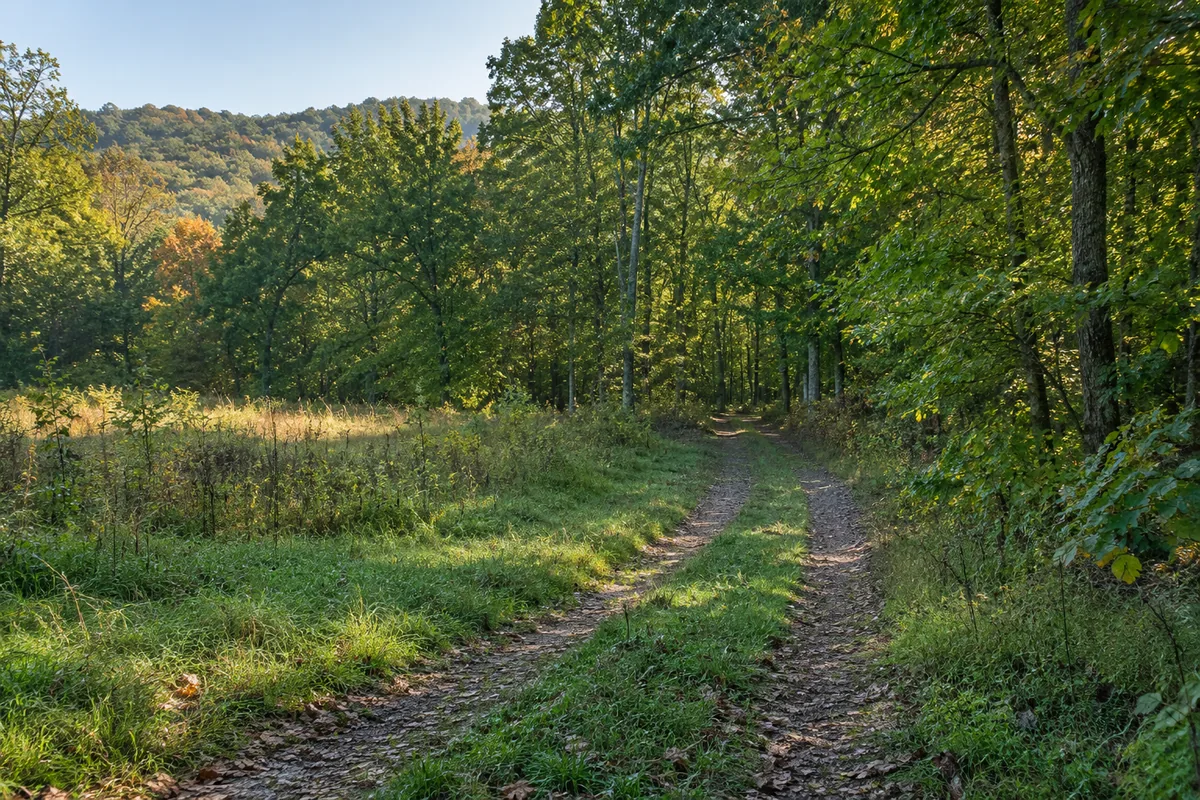
You may know every trail on your land. A buyer won’t. Help them picture a visit: where they’ll park, how they’ll get in, and what they can walk or drive to. Clear answers are more useful than calling the tract a “hunter’s paradise.”
Make one folder for the sale. Start with the county, parcel number, acres, and owner names. Add a map that shows the tract and entrance. If you’re missing a paper, note the gap. Our land seller document checklist can help you find the basics.
Show the Entrance and Check the Right to Use It
A track on an aerial photo shows a possible route. It doesn’t explain who owns the road or who may use it. Look for the deed and any easement, which is a written right to use someone else’s land for a stated purpose.
- Mark the route from the public road to your boundary.
- Save any recorded road-use paper and maintenance agreement.
- Note gates, keys, creek crossings, steep spots, and places that get muddy.
- Tell buyers whether you’ve used the route with a car, truck, or only on foot.
- Ask the closing office to check the recorded access rights. Ask a surveyor about unclear boundaries.
Don’t describe a neighbor’s permission as permanent access. Say what you know and share the papers. If access is the main issue, see our guide to selling land without clear road access.
If Hunters Use the Land, Bring the Lease
A hunting lease is an agreement that lets someone hunt on the land for a set time. If a club, friend, or neighbor uses your tract, tell the buyer early. Gather the written lease, payment records, and any later changes.
Mississippi State Extension’s hunting-lease guide covers items such as dates, allowed uses, gates, roads, and cancellation terms. Use those as questions to review in your own agreement. Its sample is for Mississippi; it isn’t a sale rule for every state.
- When does the lease end, and how does renewal work?
- Who has paid, and is any rent or deposit held?
- What does it say about a sale, notice, transfer, or early ending?
- Who owns the stands, cameras, feeders, or other gear?
- Who will tell the hunters about visits and the change of owner?
Ask a local attorney to explain unclear terms before promising the land will be empty at closing. Don’t assume the sale ends the lease. Put the agreed plan for users and gear in writing.
Show the Land as It Is Today
Take photos of the entrance, trails, open areas, woods, water, and any structures. Include parts a buyer would want to check, such as a worn crossing or standing water. A useful photo set helps them decide whether to visit.
Add a date and place to each photo. For a trail-camera image, share only images from your tract that you have the right to use. A past deer photo shows one sighting at one time. It doesn’t promise what a buyer will see next season.
If you’ve kept a food plot, note its size, where it is, what you planted, and when. A food plot is a small planted area meant to provide food for wildlife. Share receipts or a simple upkeep log if you have one.
For example, “The west trail was passable by pickup on my June visit, but the low crossing was muddy after rain” tells a buyer more than “great year-round access.” Use your own observations and dates.
Check Timber and Land-Use Questions Before Spending
If you’re thinking about cutting trees before selling, get advice first. University of Minnesota Extension explains how a forester can measure trees, estimate timber value, and plan a harvest. Cutting can change the land as well as bring in money. Our timberland sale guide covers that separate decision.
Share any forest plan, timber estimate, harvest agreement, or deed limit you have. Ask the closing office which rights you own and what would pass to the buyer. Don’t add a guessed timber value to your asking price.
If a buyer wants a cabin, check with the local planning office about that plan. Ask about road access, waste disposal, water, and limits on building. Hunting use alone doesn’t show that a home or cabin can be built.
USDA’s Web Soil Survey provides soil information for land-use decisions. To use it, find the tract, draw your area on the map, and open the soil map and reports. The USDA starter guide walks through those steps. Ask the local office what site tests or approvals the buyer’s plan needs.
Price the Tract, Not Just the Acres
Look for completed sales of nearby land with similar access, size, woods, water, and use limits. Ask a land agent or appraiser to explain which sales are useful comparisons. Asking prices show what owners hope to get; they don’t show what a buyer paid.
Ask what explains each difference. A tract reached by a public road may serve a different buyer than one reached through a shared gate. A cabin, active lease, or recent tree harvest can also change what’s being compared.
You don’t need to build a cabin, plant new plots, or cut new roads just to list the land. Start by gathering records and showing its current condition. Before paying for work, ask who it would help, what it costs, and whether it needs approval.
Compare How You’ll Sell and What You’ll Keep
- List with a land agent
- Ask how they’ll reach hunting-land buyers, arrange visits, choose a price, and charge for their work.
- Sell it yourself
- You handle the listing, buyer questions, and visits. Arrange local help with the agreement and closing.
- Consider a direct offer
- A buyer such as Reelvest can review the tract for a direct purchase. Compare the written price, costs, conditions, and target date with your other options.
Each offer should name the parcels and say what happens to leases, timber rights, and gear. Check which costs you pay, any balances paid at closing, and what the buyer must still approve. Use our offer comparison worksheet to compare the money you’d keep.
Here’s a made-up example: one offer includes your stands, while another lets you keep them. Even at the same price, those are different deals. Write down what stays and what goes before choosing.
Your Hunting-Land Sale Checklist
Use this list as you gather your folder. The checks stay on this page while it’s open; they aren’t sent to Reelvest.
Start with what you have. If you want to discuss a direct offer, tell us about your land. Share the county, acres, access details, and any lease. You can compare an offer before deciding.
Questions About Selling Hunting Land
Can I sell hunting land that’s leased to a club?
Share the lease with the buyer and your closing team. Have a local attorney review what it says about a sale, notice, and transfer. Agree in writing on the users, payments, and gear before closing.
Should I cut the timber before selling?
Ask a forester about the trees and a land agent about likely buyers. Compare the income from a harvest with its cost and effect on the land. Don’t assume cutting first will leave you with more money.
Do I need deer photos to sell the land?
You can start with clear photos of access and current land features. If you share wildlife photos, label where and when they were taken. Avoid promises about future sightings or hunting results.
What if the entrance crosses a neighbor’s land?
Find any written road-use agreement or easement and have it reviewed. Explain how you’ve reached the tract. Don’t treat permission from a neighbor as proof that a buyer has the same right.
Does a food plot add a set amount to the price?
There’s no fixed increase for every tract. Show its location, size, condition, and upkeep. Compare useful nearby sales and ask which features matter to the buyers for your land.
How long will my hunting land take to sell?
That depends on demand, price, the land, and the steps in the agreement. Ask how buyers will be reached and what remains before closing. Set a target date around those actual steps.
Do hunting stands and cameras go with the land?
Make a list of what you own, what belongs to someone else, and what the buyer wants. State what stays and what goes in the agreement. Resolve leased or borrowed gear before promising to include it.