
To sell your Jefferson County land, gather the details you have, set a price and choose how to find a buyer. Compare the offers, then work with the closing team on the papers and payment. You can start even if a few answers are missing.
Tell us about your land. There’s no obligation to accept an offer.
Start with what you know. These steps will help you get ready and choose the way to sell that fits you.
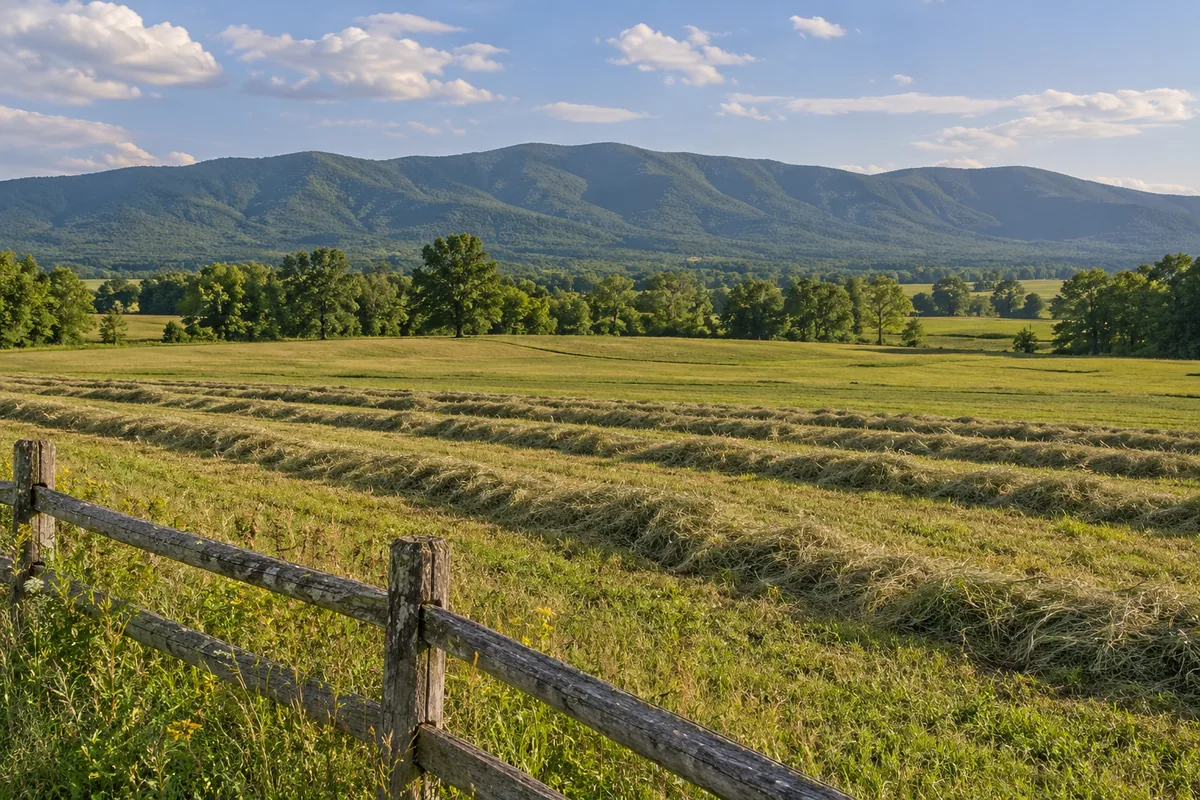
Find a recent tax bill, your deed and any survey you have. A deed records a transfer of land. A survey is a measured drawing of the boundaries. Keep road or shared-driveway papers with them.
Write down the acres, the closest road and the owners named on the deed. Say whether you want to sell one piece or several. For land with no street address, use a map pin and the land number from your tax bill.
Missing papers don’t have to stop the first conversation. Make a short list of what you don’t know. Ask a land agent, buyer or closing team what they need next.
If you’re handling inherited land or helping settle a loved one’s estate, start with the papers you have. Ask a title company or real estate attorney to check who needs to sign before you promise a sale date.
The Jefferson County Clerk records deeds. The clerk lists its new office at 393 North Lawrence Street, Suite 135, Charles Town. Call 304-728-3215 to ask how to get the copy you need.
The county says access to historical records at the courthouse needs an appointment while records are being moved. Check the current location and access before traveling. Have the owner’s name and any deed book and page number handy.
The county’s online document guide can help you start looking from home. It says some older deed images are not searchable by name. If you can’t find your deed, ask the clerk for help rather than assuming the record is missing.
Ask the closing team whether an ordinary copy is enough or they need an official copy. Then check the copy cost with the clerk. You don’t need to order extra copies just to start asking about a sale.
The county’s property ownership help page directs owners to the assessor at 304-728-3224. The assessor keeps property details for taxes.
You may be asked for the district, map and parcel numbers. These are parts of the county’s land ID. Start with your tax bill. If you only have a street address, the county says its mapping office can help find those numbers.
Use the details to find the right land. Ask the closing team to check ownership and signing needs from the sale records. A name on a tax record alone is not the whole answer.
Take clear photos of the entrance, open ground and woods. Note how you reach the land. If the drive crosses someone else’s property, share any written road agreement you have. Don’t guess that an old path gives a buyer the right to use it.
List the features you know: fencing, a well, buildings, power nearby or a creek. Tell buyers which details are checked and which are still questions. A power line near the land does not tell you what a hookup will cost.
Share any lease, unpaid tax bill, loan or use limit you know about. You don’t have to solve every buyer’s building plan before selling. Give honest facts and let them ask what matters to their plans.
Start with similar land that has sold recently. An agent who sells land can help find useful matches. Compare the location, size, entrance, usable ground and what came with each sale.
An open field with an easy entrance may appeal to different buyers than a steep wooded lot. A nearby sale with a house is not a clean comparison for bare land. Ask how each difference affects your price range.
An asking price is what a seller hopes to get. A tax value is used for taxes. Neither tells you exactly what your land will sell for. Pick a starting price and decide how much time you can give the sale.
Think about the money you might keep, the work involved and your timing. There is no single best choice for every owner.
Get the offer in writing. Check the land ID, acres and owners. Ask who pays the sale costs and how a loan or unpaid taxes will be handled.
Here’s a made-up example: a $60,000 offer with $4,000 in seller costs leaves $56,000 before any loan balance or taxes. These numbers are not a price estimate for Jefferson County land.
Compare the deposit, the buyer’s time to check the land and any right to cancel. Ask what has to happen before the buyer is ready to close. A higher offer with loose terms may not fit you as well as a clear offer.
Use the land offer worksheet to compare the details. If a term is unclear, ask for a plain explanation before signing.
The closing team checks the ownership records and prepares the sale papers. Ask for a list of what they still need from you and who must sign.
Before closing, review a written breakdown of the price, costs and money you will receive. Check how payment will reach you. If something changes, ask why before signing the final papers.
Keep copies of the signed agreement and closing papers. For a list of papers you may need, see our land seller document checklist. Our West Virginia land seller guide can help with broader questions.
Reelvest buys land directly from owners. Tell us about your land, or call 888-850-5755. We’ll review the details and let you know if we can make an offer.
You can ask questions and compare other ways to sell. You decide whether an offer works for you.
Start with a tax bill, deed, survey if you have one, the acres and the closest road. Write down other owners and any loan, lease or unpaid taxes. Make a list of missing answers so the next conversation is easier.
Ask the County Clerk at 304-728-3215 about the right copy and current record location. Have the owner’s name and any deed book and page number ready. Check before traveling because some older records require an appointment.
Yes. Use your tax bill’s land ID, a map pin and the nearest road. Ask for help finding the county numbers if needed. Don’t make up a street address for empty land.
Start with the deed and any estate papers you have. Ask the closing team who needs to sign and what else is needed. Have that checked before agreeing to a closing date.
Compare both if you want. Ask an agent about price, fees and the work they handle. For a direct offer, check the price, costs, deadlines and buyer’s checks. Choose the route that fits your timing and the money you expect to keep.
No. If we can make an offer, you can ask questions, compare it with other options and decide whether it works for you.
Local source links reviewed October 6, 2026.