
Your Skagit County land’s value depends on what the property offers a buyer, not just its acres. Start with a few similar properties that have sold. Compare the setting, road access, ground, and anything included in the deal. Use the best matches to discuss a price range with a local land agent or appraiser.
Find the Right Parcel Before Comparing Prices
Gather a recent tax bill, deed, and any survey you have. Write down the parcel number, location, size if known, and road entrance. List each lot separately if you own several.
The county’s Property Search lets you choose Address, Parcel #, Owner Name, Road, or XrefID. XrefID is another number used in the county record. Use the parcel number from a tax bill if you have it.
For land with no street address, try the parcel number or owner name. The owner-name option shows the order as last name, then first name. You can also choose Road when that is the location detail you know.
Check the location before assuming a result is your land. Keep the record date with your notes and check whether a value includes buildings. A county value is background information, not a buyer’s offer.
Compare the Kind of Land, Not Just the Acres
Ask a local agent who sells land for a few completed sales. Match the kind of land before comparing price:
- Setting. Open farm ground, a wooded hillside, and a small lot near town can appeal to different buyers.
- Water. Shoreline and a water view are different features. Check what the sale actually included.
- Access. Compare the road entrance and any shared route. Keep written access papers handy.
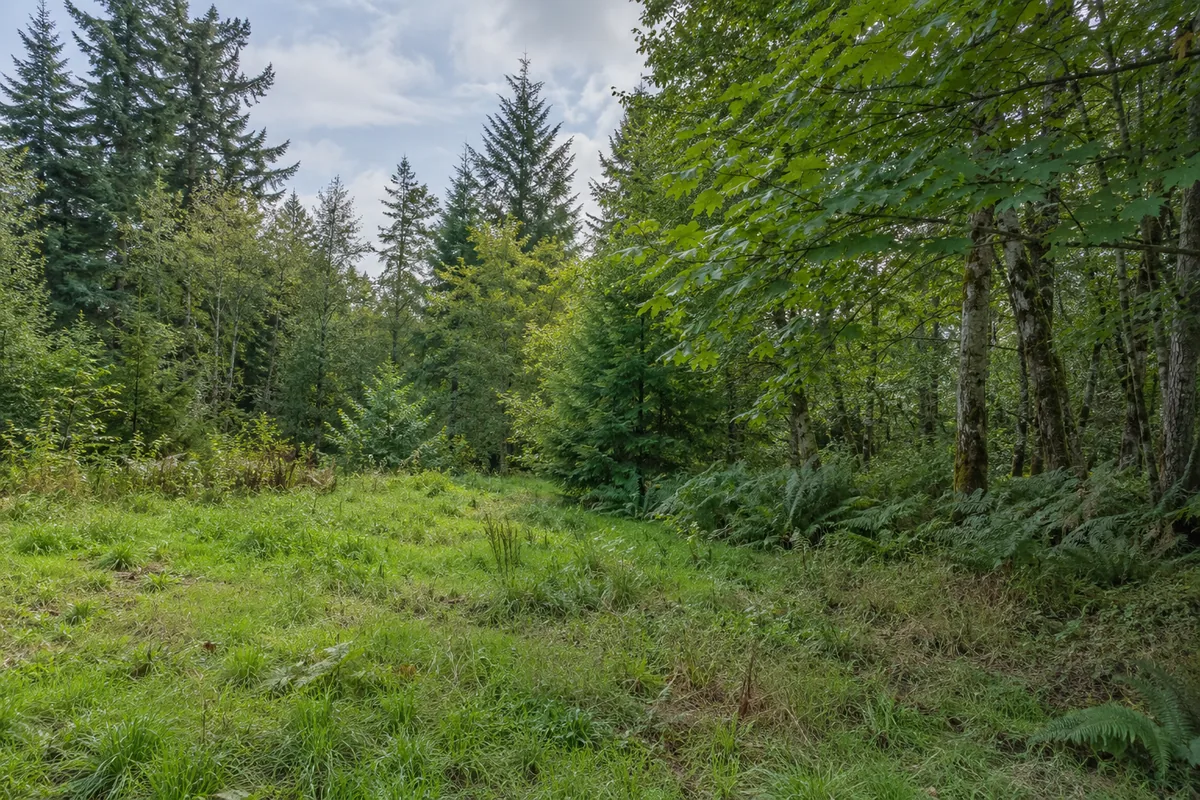
- Ground. Note slopes, wet areas, open space, and trees. Equal acres can give a buyer very different spaces to use.
- Included property. Check for a house, barn, connected services, or several lots sold together.
- Size and date. Use similar sizes and note when each sale closed. A small lot may have a different price per acre from a large tract.
If your land is farmed or grazed, keep any lease handy. Note who uses it and what is included in the sale. Don’t assume a wooded tract and working farm are good matches just because they have the same acres.
Write down major differences. Ask an agent or appraiser how much they matter instead of adding a guessed dollar adjustment.
If a Parcel Search Doesn’t Find the Deed
The county’s Advanced Recording Search gives an important warning: some land documents are not searchable by parcel number. An empty result doesn’t prove a deed is missing.
For documents recorded since 1973, the county says the record may only be searchable by its file number, party name, document type, and date. A party name is a name listed on the document. For older records, it may only be searchable by file number and date.
Keep any old deed number or recording date from your papers. The name field shows last name, first name, then middle name, with spaces rather than commas. If you can’t find the document, ask the recording office which details will help.
The page lists the Auditor’s recording contact at 360-416-1704. It also says online images aren’t certified copies. A certified copy is one the office officially confirms. Ask whether you need one for your sale before ordering it.
You don’t need to check every document yourself. Ask the closing team or an attorney which records matter and who can help with a fuller ownership check.
Make a Short Comparison Sheet
You can keep this on paper or in a simple spreadsheet. Leave a blank when you don’t have a fact, then ask about it.
| Write down | Why it helps |
|---|---|
| Sale record and parcel IDs | Find the land again and avoid counting one deal twice. |
| Sale date and completed price | Keep an asking price apart from an actual sale. |
| Acres and included lots | Check how much land the price covered. |
| Buildings, services, and included lots | See whether the price bought more than empty land. |
| Access and ground | Explain a major difference from your property. |
| Source and missing facts | Know what still needs checking. |
For example, a made-up 20-acre land sale at $80,000 works out to $4,000 per acre. A made-up $160,000 sale of 40 acres also works out to $4,000 per acre. That shared number doesn’t prove either one is a good match. A house, connected services, or different access could change the comparison.
These are math examples, not Skagit County sales or a price estimate. Divide a checked land-only price by its checked acres only when that calculation makes sense. Keep the full price and included property beside the result.
Check Each Deal Before Building a Price Range
Keep the completed price, date, parcel numbers, and source together. Make sure the price covered the property you think it did.
If several parcels sold in one deal, count the deal once. Don’t copy the full price onto each parcel and treat them as separate sales. A house or other buildings can also make a land-only price-per-acre calculation misleading.
Set aside unexplained high or low prices until someone checks them. Ask an agent or appraiser which match is strongest and why. If there are no close matches, say so and ask what more evidence would help.
Keep any land-use, lease, access, or special tax papers with your notes. Ask how they affect this sale and what the buyer needs to know. You don’t need to promise future building rights to talk about value.
A land appraiser can give a written value opinion if you need one. Ask what they would inspect, which sales they would use, and what the work costs.
The old tables on this page came from a March 2026 listing collection. Their prices and counts weren’t checked against separate parcel or sale records, so they’ve been replaced with this guide. Read our land value guide for more help with the basics.
When You Have an Offer, Check the Money You Keep
An offer is a buyer’s proposed deal. It may differ from an asking price or a written appraisal. Read what the buyer wants to check and when they can cancel.
Ask who pays the agent fee and closing costs. Check what loan, tax, or other balance may come out of your payment. Compare the money you keep, the conditions, and the target date, not just the price at the top.
You can list with an agent, sell the land yourself, or compare a direct offer. If you’d like one more option, tell Reelvest about your land. We’ll review the details and let you know if we can make an offer. You decide whether it fits.
For the broader selling process, see the Skagit County seller guide.
Questions About Skagit County Land Value
Can I price my land from a county average?
Use similar completed sales instead. An average can mix farm ground, wooded tracts, water features, small lots, and buildings. Start with the properties that best match your land.
How do I find land without a street address?
Skagit Property Search offers parcel number, owner name, and road options as well as address. Use a parcel number from a tax bill if available. Check the location before assuming a result is your lot.
Does no deed result mean the document is missing?
No. The county says some recorded documents are not indexed by parcel number. Try the document details you have or ask the recording office which information helps.
Are online document images certified copies?
No. The county recording page says they are not. Ask the Auditor’s recording office at 360-416-1704 whether a certified copy is needed for your sale and how to get one.
What if one sale covered several lots or a house?
Keep the whole deal in your notes. Don’t count it several times or divide the price as though it bought only empty land. Ask whether it is a useful match.
Does this guide give a current Skagit County price per acre?
No. It helps you build a useful range from checked comparisons. The old unverified listing figures are no longer used as a county price estimate.
Local source links reviewed October 4, 2026.