
To sell your land, start with its location, the papers you have and a price you can explain. Then choose how to find a buyer and compare offers. You can use an agent, sell it yourself or ask a direct buyer for an offer. You don't need every answer before you start.
Tell us about your land. There’s no obligation to accept an offer.
Start with what you know. These steps will help you get ready and choose the way to sell that fits you.
Find your latest tax bill. Write down the parcel number, acres and nearest road. A parcel number is the label used for land in county records. List each number if you plan to sell several lots.
The Mason County Assessor page links to TaxSifter under Property / Parcel Information. Use the county page as your starting point. Keep the record with your deed and any old survey, then check that they describe the same land.
If you have no street address or need help finding the record, call the assessor at 360-427-9670, extension 491. Have the owner name, nearest road and any number from your papers ready. You can ask, “I’m getting ready to sell this land. Can you help me find the right parcel?”
If you want to sell only part of a larger tract, say that early. Ask what would be needed before paying for a survey or promising a buyer a separate lot.
Start with what you have. Photos or scans can help with early talks.
The county Recording page has the current link to search recorded documents. It says copies are available online or in the office, and certified copies can be requested through the office or by email.
If you can’t find the deed, ask recording staff at 360-427-9670, extension 467. Have the owner name, parcel location and any recording number ready. Ask which copy you need and what it will cost before ordering.
The assessor helps with property records and assessment. The auditor’s recording office keeps deeds and other recorded land papers. You don’t need a new survey or building plan just to begin asking about a sale.
Look at the owners named on the deed. If you share the land, talk about what each person wants before you agree to a sale. Make sure everyone means the same land and the same acres.
If you're handling inherited land or helping settle a loved one's estate, start with the deed and any estate papers you have. The person handling closing can help work out who needs to sign and what else may be needed. You don't have to sort everything out alone.
Share what you know about loans, unpaid taxes and agreements for someone else to use the land. These details can affect the next step or the money you keep.
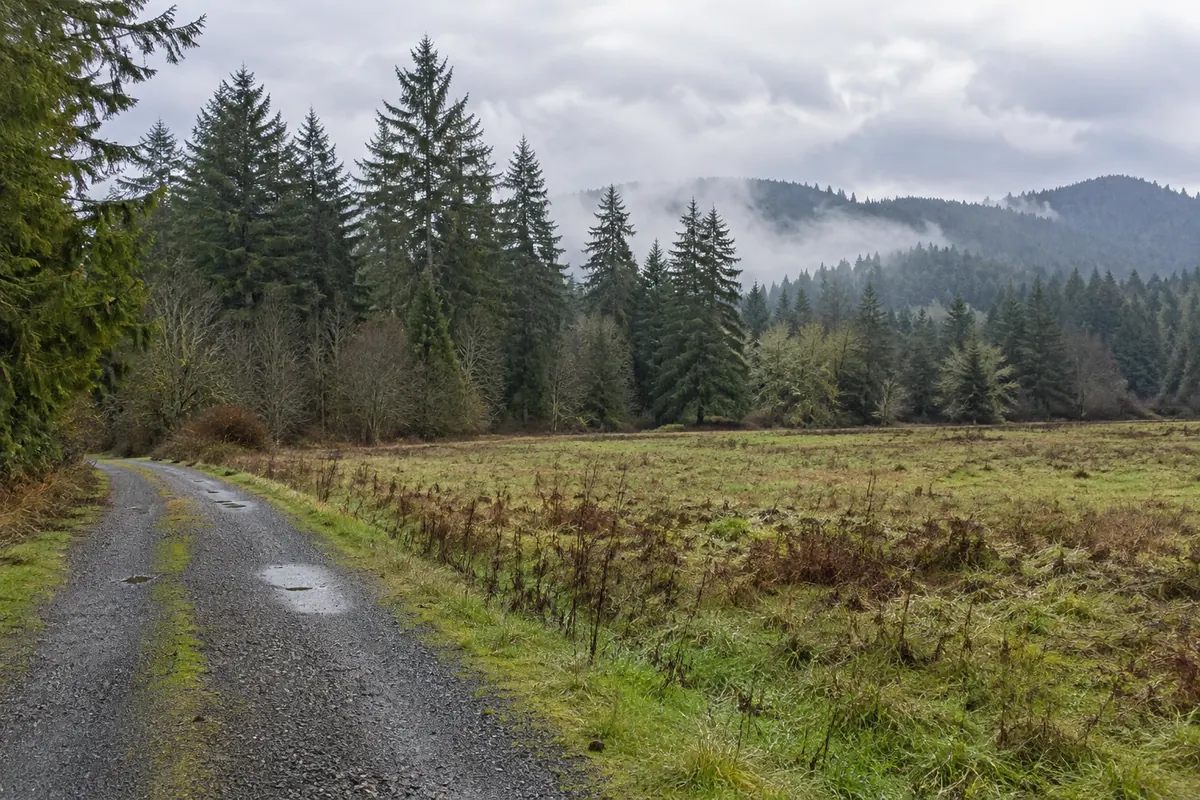
A wooded tract, a lot near a lake and a lot in Shelton can raise different buyer questions. Give a clear picture of what you have.
A water view and a right to use a beach are different things. If you have papers about access to water or a shared road, put them in your folder. Don’t promise a right you haven’t checked.
Take photos from safe places where you have permission to go. Show the entrance and the ground, not just a distant view. An old photo can help, but tell a buyer if the land has changed since it was taken.
If a buyer wants to build, share existing approvals and what you know. If you don’t know, say so and agree on who will check. Nearby homes or a power line do not prove a new home or connection is ready.
If your papers mention forest land or another special tax program, keep them with the deed. Ask the assessor and the person handling closing what needs to be checked for your sale before promising a change in use.
The county’s Sales Data page groups information by area and neighborhood. Its groups include Shelton and Arcadia; Union and Hoodsport; Belfair and Tahuya; and Mason Lake, Grapeview and Allyn. Start with the area that fits your land rather than using one price for the whole county.
The county says its sales information is for general use and may be incomplete. Check the file’s dates and what each deal included. A list is a starting point, not a price for your property.
Look for land with a similar size, access, ground and use. A lakefront lot may be a poor match for a wooded inland tract. A house sale includes more than bare land. Ask a local land agent which completed sales they would use and why.
Keep the parcel number and deed reference beside each price. Check whether one deal includes several lots or buildings. Count the same deal once, even if it appears in more than one record.
Check the date beside a tax value too. The assessor’s current notice says 2027 values reflect conditions as of January 1, 2026. A future tax-year label does not make it a fresh sale estimate. Asking prices show what sellers hope to get, not what buyers paid.
Use our land value guide to make a short comparison sheet. If useful matches are scarce, keep that uncertainty in your price discussion.
You can explore more than one way before deciding. If you'd like a Reelvest offer to compare, tell us about your land. You decide whether it fits your needs.
Ask for the price, costs you pay and target closing date in writing. Find out what the buyer plans to check, when they can end the deal and what happens to the deposit. Ask for any unclear term to be explained.
Compare the money you'll keep after fees, loan payoff and unpaid taxes. A higher offer can leave less if you pay more costs. Ask the person handling closing for a written estimate.
Check that the contract names the right land and owners. Agree on any items to remove and any use of the land that will continue after the sale.
Closing is the final step: the agreed papers are signed, payment is handled and ownership changes. Keep your signed papers and final cost statement.
For a useful start today, find your tax bill, write down the land and acres, and list your biggest question. Bring that short list to your first conversation.
Start with the county Recording page and its current document-search link. If you need help or a certified copy, ask recording staff about copy options and cost. Have the owner name, land location and any recording number ready.
Yes. Start with the parcel number from your tax bill, land description from your deed and nearest road. Ask the assessor for help finding the record if you need it.
Describe what you know clearly. Touching the water, having a view and having a separate right to use a beach are different features. Share the papers for any access agreement rather than promising an unchecked right.
You can begin by describing the land as it is and sharing useful photos. Ask what work would help before spending money on clearing, a survey or building plans.
They help you start a comparison. Check dates, location, size, access and what each sale included. The county says its information may be incomplete. Ask a land agent which sales fit your property.
Local source links reviewed October 4, 2026.