
First check what you own and what the buyer would receive. Match the tract, access, usable ground, and any land or mineral rights included. Two wooded properties with the same acres can be poor matches if the rights or the route in are different.
Match the Land Record With the Rights Being Sold
The Buchanan County Commissioner of Revenue page explains that the office keeps real estate and mineral records for tax purposes. It links to real estate cards. It also says ownership updates come from deeds and other records filed with the Circuit Court Clerk.
Start with the tax record to identify the tract. Then gather the deed and any papers about rights kept by another owner. Mineral rights concern resources below the ground, such as coal or gas. Don't assume the record for the surface land answers every mineral-rights question.
- Match the parcel number, owner entry, acres, and land location.
- Save the deed reference and get the deed that describes your interest in the land.
- Look for references to earlier documents, leases, or rights kept out of the transfer.
- For a possible sale match, check what rights and parcels were included in that deal.
- If the wording is unclear, ask a title professional to review it before using the sale as a match.
You don't need to sort out every old document on your own. Bring the parcel number, deed reference, and a clear question: “Which rights would go with this sale?” That helps the reviewer focus on the deal you're considering.
Look at the Ground a Buyer Can Actually Use
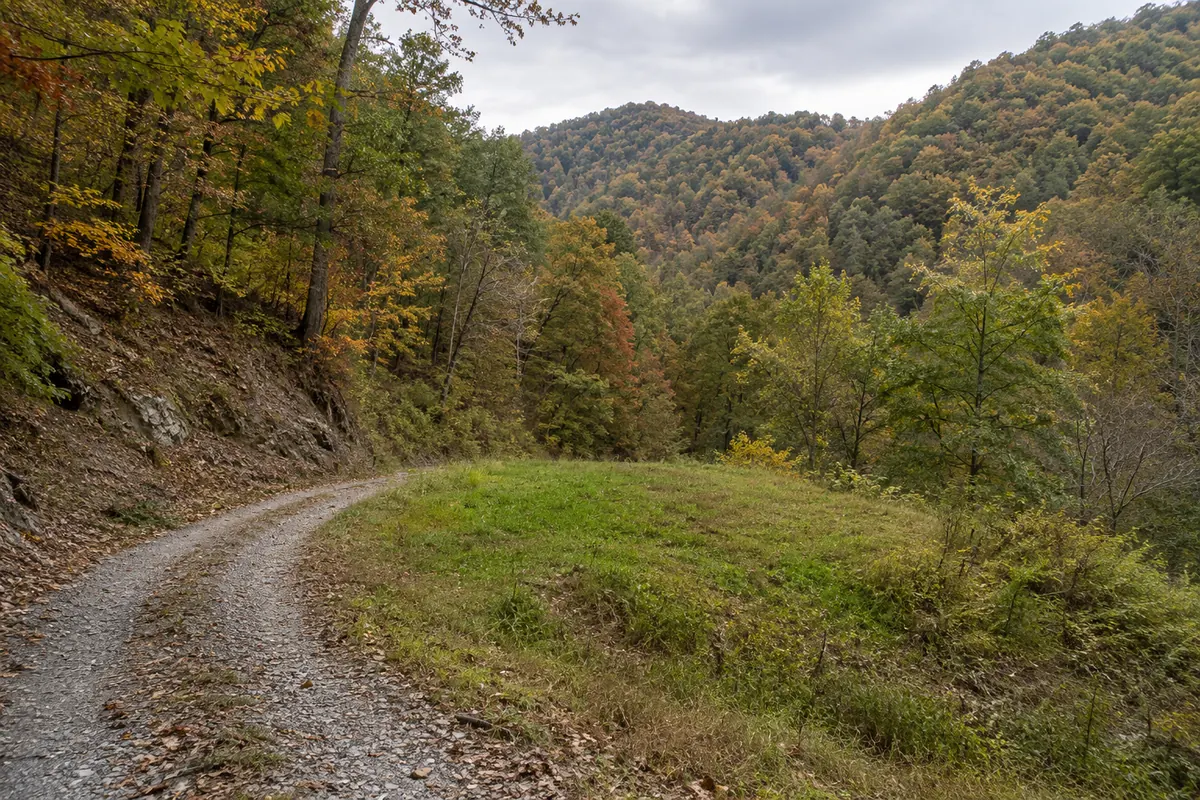
For a wooded hillside, total acres are only part of the picture. A buyer planning a home may need a workable site and a route to it. Someone who wants woods for walking may value different features.
- Level space: Note the open or gently sloped areas, rather than counting every acre as the same kind of ground.
- Route in: Check road frontage or a written right to cross another property.
- Road condition: A track in a photo may still need work for the buyer's planned use.
- Rights included: Compare the same ownership interests. Keep timber, mineral, or access questions with the sale notes.
- Added features: Separate buildings and installed services from bare wooded land.
Ask What an Offer Includes
Imagine two twenty-acre tracts. One has a clear road entrance and a small level home site. The other is steep, with an old track across neighboring land. Even without buildings, the acres don't make them equal matches.
For your own tract, make a short list of confirmed facts and open questions. “Deed found; access agreement not yet found” is useful. Let a buyer know what you have checked instead of filling the gaps with guesses.
If one offer is much higher than another, compare the written terms as well as the price. Are both for the same parcels and rights? Does either depend on a future check or leave a right with you? Ask for a plain explanation of anything you don't understand.
Use the best matches to build a price range only after those differences are clear. A headline price per acre from a different kind of deal may lead you in the wrong direction.
A Simple Sheet for Comparing Sales
Make one row for each deal you can check. Keep asking prices in a separate list; they show what a seller wants, not what a buyer paid.
- Land ID and deed number
- Check that you're counting the same parcel and transfer only once.
- Sale date and full price
- Write down where you found them. Leave a blank if you can't confirm them.
- Total acres and what was included
- Note buildings, other parcels, and any separate rights.
- Access, use, and site work
- List the biggest differences from your land.
- Keep or leave out?
- Write a short reason. Choose close matches over a longer list.
How to Work Out Price Per Acre
Divide the checked sale price by the acres included. For example, a made-up sale of 20 acres for $120,000 works out to $6,000 per acre. This shows the math; it isn't a local sale or an estimate for your land.
Use that number only after checking the match. It doesn't show the cost of a new road, the value of a house, or whether your land can serve the same use.
Use Your Research to Compare Your Options
You can use close sales to discuss an asking price with an agent or appraiser. You can also ask a buyer for a direct offer. Compare the price, costs, terms, and work involved. A higher headline price may leave you with less money after those costs.
Tell us about your land if you'd like Reelvest to review it. Start with what you know. You don't need to pick a price before reaching out.
Questions Sellers Ask
Does Buchanan County keep mineral records?
The Commissioner of Revenue describes keeping real estate and mineral records for tax purposes. Use that page as a starting point, then check the deed and related documents for the rights in your sale.
Do the land acres tell me everything I need to price a wooded tract?
No. Access, slope, useful open ground, buildings, and rights included can all change whether a sale is a good match.
Who can help explain unclear rights in my deed?
A title professional can review the deed and the earlier documents it refers to. Bring the parcel number and explain the sale you are considering.
What should I compare when I get two offers?
Check price, the exact parcels and rights, costs, conditions, and timing. Make sure the offers describe the same deal before choosing by price alone.