
Compare completed sales with similar access, ground, and use. Start with the right parcel and deed. A wooded slope, a level home site, and land with a house offer different uses for a buyer, even when the total acres match.
Start With the Virginia Parcel and Deed
The Alleghany County, Virginia website links to its GIS map. GIS is an online map with property information. Make sure you are using Virginia records: similarly named counties in other states are different places.
The linked county map explains that its lines are a guide and do not replace a land survey. Use the map to place the tract, then check the location and acres against your tax bill, deed, and survey.
The Commissioner of Revenue maintains real-estate ownership information for the county and handles its land-use tax program. The office is a useful starting point for a missing or unclear tax-property record. A tax value is not a promise of what a buyer will pay.
- Save the parcel ID and a map of the land you mean.
- List the acres and buildings shown in your papers.
- Write down the deed reference and names listed on it.
- For each possible sale match, check the full land and rights included.
- Ask about a missing record instead of filling the gap with a nearby asking price.
The county links to the Alleghany Circuit Court Clerk. Use that official contact page to ask how to obtain the particular land document you need. Have the deed reference ready; don't assume every document can be downloaded without a fee or account.
Compare the Useful Ground, Not Only the Acres
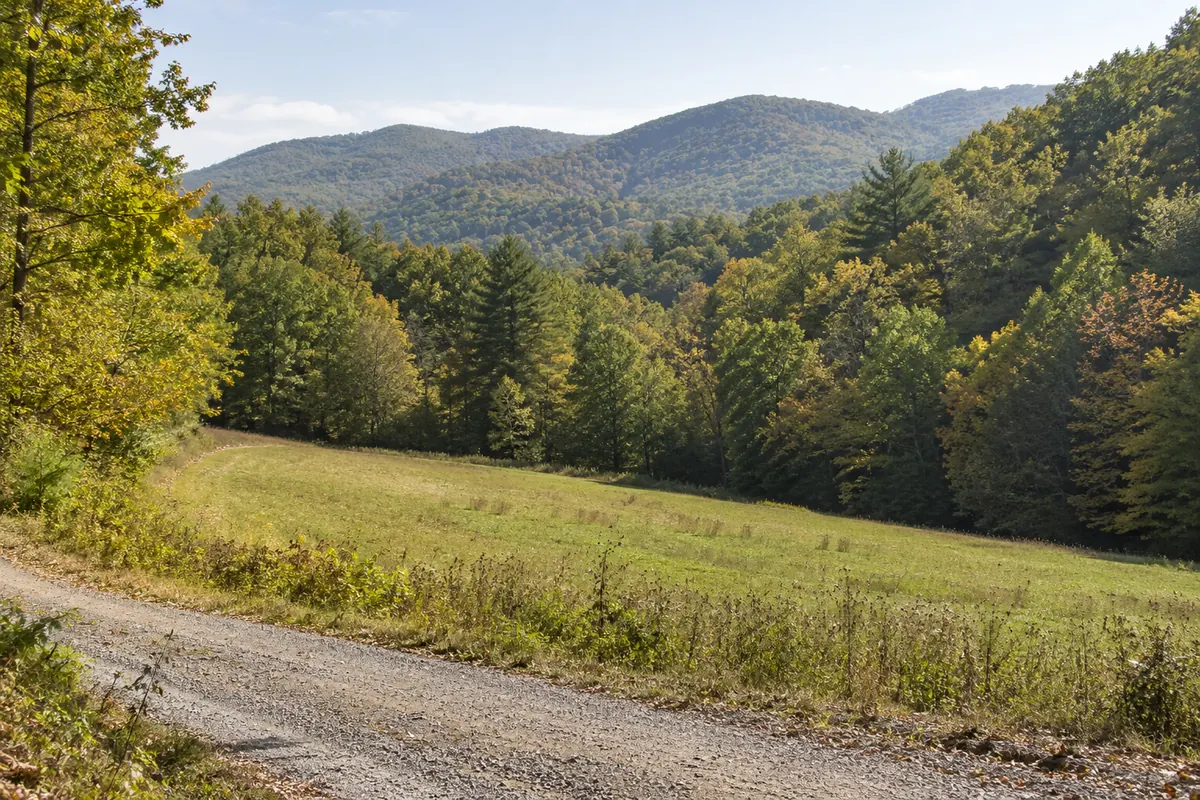
For land with a clearing and wooded slope, total acres do not tell the whole story. A buyer planning a home may value the usable site and road entry. A buyer who wants woods may have a different reason to buy.
- Ground: Note the level area, slope, and places that may need site work.
- Entry: Check public-road frontage or the written right to use a lane across someone else's tract.
- Buildings: Keep a house, cabin, or barn with the full sale price; don't call that price bare-land value.
- Services: Separate confirmed water, waste, or power service from a line shown nearby.
- Use: Ask the office that handles the parcel about the actual plan. A map's label alone is not a home approval.
Explain Why a Sale Is a Good Match
Imagine two ten-acre tracts. One has a level clearing beside a public road. The other sits above a steep lane crossing a neighbor's land. Dividing both prices by ten acres does not account for the cost and rights needed to reach and use them.
For each match, write one sentence about the biggest difference: “Similar wooded ground, but this sale has direct road entry.” If you can't explain the difference, leave that sale out of your strongest matches.
Keep water-related claims specific. A nearby river or public trail does not establish owned frontage or a right to enter from your tract. Match the deed and map, and note what access is confirmed. A cabin or waterfront sale may be a weak comparison for inland empty land.
If your tax papers show special land-use treatment, ask the Commissioner what a sale or changed use could mean for that account. Keep the answer with the offer costs. Don't use a lower tax figure as a shortcut to a current selling price.
A Simple Sheet for Comparing Sales
Make one row for each deal you can check. Keep asking prices in a separate list; they show what a seller wants, not what a buyer paid.
- Land ID and deed number
- Check that you're counting the same parcel and transfer only once.
- Sale date and full price
- Write down where you found them. Leave a blank if you can't confirm them.
- Total acres and what was included
- Note buildings, other parcels, and any separate rights.
- Access, use, and site work
- List the biggest differences from your land.
- Keep or leave out?
- Write a short reason. Choose close matches over a longer list.
How to Work Out Price Per Acre
Divide the checked sale price by the acres included. For example, a made-up sale of 20 acres for $120,000 works out to $6,000 per acre. This shows the math; it isn't a local sale or an estimate for your land.
Use that number only after checking the match. It doesn't show the cost of a new road, the value of a house, or whether your land can serve the same use.
Use Your Research to Compare Your Options
You can use close sales to discuss an asking price with an agent or appraiser. You can also ask a buyer for a direct offer. Compare the price, costs, terms, and work involved. A higher headline price may leave you with less money after those costs.
Tell us about your land if you'd like Reelvest to review it. Start with what you know. You don't need to pick a price before reaching out.
Questions Sellers Ask
Where do I start an Alleghany County Virginia land-value search?
Use the county website and its linked GIS map, then match the parcel with your deed and tax bill. Check the state carefully so you do not use a similarly named county elsewhere.
Does the county map settle the boundary?
No. The map explains that it does not replace an accurate land survey. Ask about conflicting acres or lines before treating them as settled sale details.
Should I compare steep land with a level home site?
Keep them separate unless you can explain the useful differences. Road entry, usable ground, services, and site work can matter as much as total acres.
Who can help with a land-use tax record?
The Commissioner of Revenue handles the county land-use program. Ask what your record means for a sale or change in use; keep that cost question separate from market value.