
Gather your deed, tax bill and any old survey. Describe the entrance, open ground, woods and current use. Compare similar sales and decide how you want to find a buyer. These steps help you get ready without clearing the land or collecting every paper first.
Tell us about your land. There’s no obligation to accept an offer.
Start with what you know. These steps will help you get ready and choose the way to sell that fits you.
Note the property number, road, acres and owners on the deed. List all pieces you want to sell. A map pin helps when empty land has no address. Keep the papers together so you can answer questions without searching each time.
The Wood County Clerk’s official page links to its Self-Service platform for public record searches. Start there for a missing recorded deed. Ask the Clerk about copies and fees if you can’t find what you need.
The Texas Comptroller’s Wood County directory identifies the local appraisal district and tax office. Use those routes for property-record and tax-bill questions. Don’t treat a tax value as a promise of your selling price.
Missing papers are something to work through. Start with what you have and ask an agent or closing professional which others your sale needs.
Show where a buyer should enter and mention locked gates or rough parts of the route. If the entrance crosses someone else’s land, share any written right to use it. A visible trail alone doesn’t answer that question.
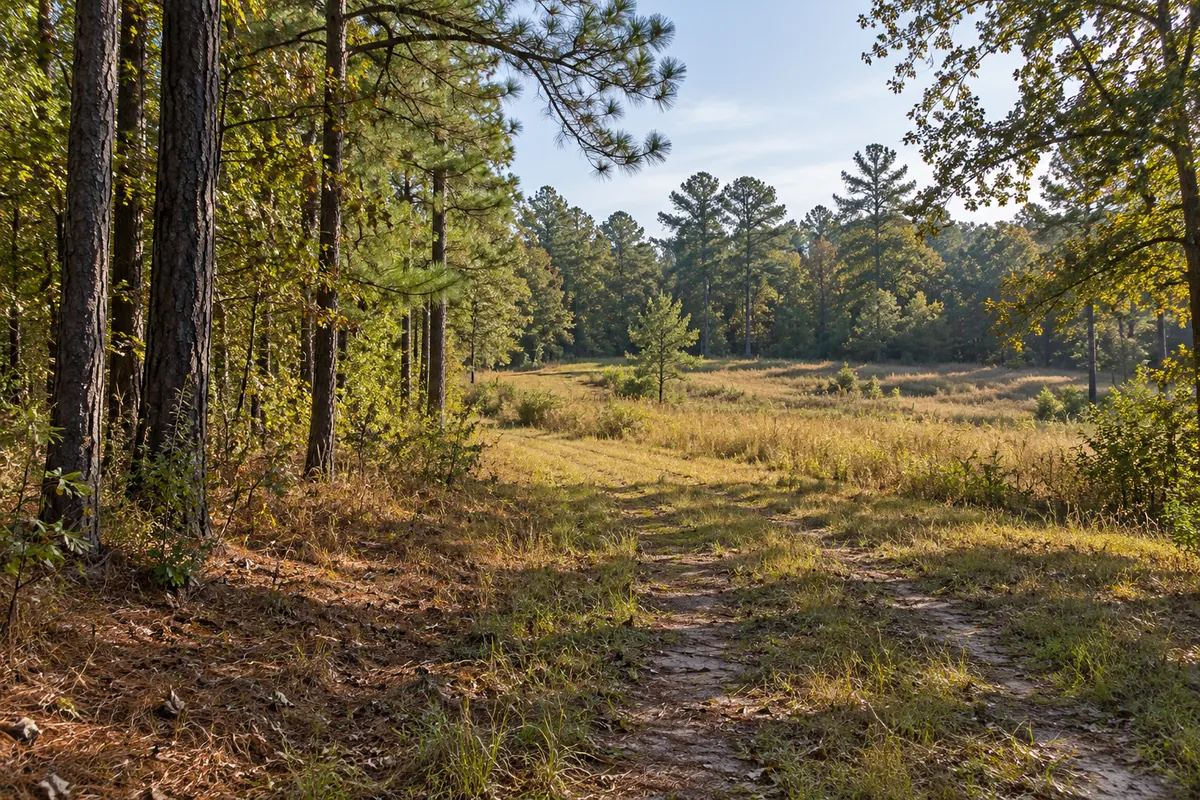
For wooded land, explain the clearings and paths you know. Share any tree-cutting agreement. Don’t promise a timber value from a photo or assume a buyer wants the trees removed.
For a field or pasture, explain who uses it and share any grazing or farming agreement. Mention hunting arrangements too. Ask how each agreement would fit the sale before choosing a closing date.
Take photos of the entrance and different parts of the property. Point out ponds, creeks and low wet areas. Share any well, septic or power papers you have. Be clear about buildings, equipment and stored items that stay or go.
You don’t need to cut trees or pay for a new survey just to begin. Ask what work would help your sale before spending money.
Ask a local land agent for recent completed sales a buyer would compare with yours. Match acreage, entrance, open ground, woods, water features and included buildings. Keep house sales separate from vacant land.
A lakeside listing may not be a good match for a wooded piece without that feature. Ask why each comparison fits. An asking price shows what a seller hopes to get; a completed sale shows what someone paid.
Make sure the offer names the right pieces and included items. Read the price, deposit, buyer’s inspection time and closing date. Ask what permits cancellation or a change in price.
Ask who pays each cost and how unpaid taxes or a loan balance affect your payment. For a made-up example, $80,000 less $7,000 in seller costs leaves $73,000 before other debts. A $77,000 offer with $2,000 in costs leaves $75,000.
The figures explain offer comparisons, not Wood County prices. Use our offer worksheet and have unclear terms explained before signing.
Ask who handles closing, what papers they need and how payment will arrive. Closing is when the final papers are signed and the money is paid. Review the final cost breakdown before the appointment.
Tell the closing professional about other owners, missing records or a loan early. If you’re handling inherited land or helping settle a loved one’s estate, bring the deed and estate papers you already have. An attorney or closing professional can help work out who needs to sign.
Our document checklist and Texas seller guide can help. If you want a direct offer to compare, tell Reelvest what you know. There’s no obligation to accept.
The County Clerk’s official page links to its Self-Service public record search. Ask about copies and fees if you need help finding a recorded deed.
Start with photos, the current condition and any tree-cutting agreement. Ask whether clearing would help your sale before paying for it.
Share the agreement and explain the current use. Ask the buyer and closing professional how it would fit the sale.
Local source links reviewed October 4, 2026.