
Start with your deed, a tax bill and what you know about the land. Then choose how to find a buyer, compare offers and plan the final papers and payment. You can ask for help before every detail is settled. This guide shows what to gather and what to ask.
Tell us about your land. There’s no obligation to accept an offer.
Start with what you know. These steps will help you get ready and choose the way to sell that fits you.
Write down the property number, acres, road and names on the deed. List every piece you want to sell. If empty land has no address, a map pin and entrance directions can help you explain where it is.
The Waller County Clerk’s Real Property page links to online records from 1994 to the present. It also explains how to request copies in the office. If your deed is older or you can’t find it online, ask the Clerk how to get a copy. Have any owner name, book or page reference ready.
The Clerk says the office does not do lien searches. A lien is a claim against property, often tied to money owed. Ask the professional handling your closing to help check ownership and any claims that affect the sale.
The Waller County Tax Office page links to property and tax searches. It directs questions about assessed value to the Appraisal District. Use your tax papers to identify the land; a tax value is not an offer from a buyer.
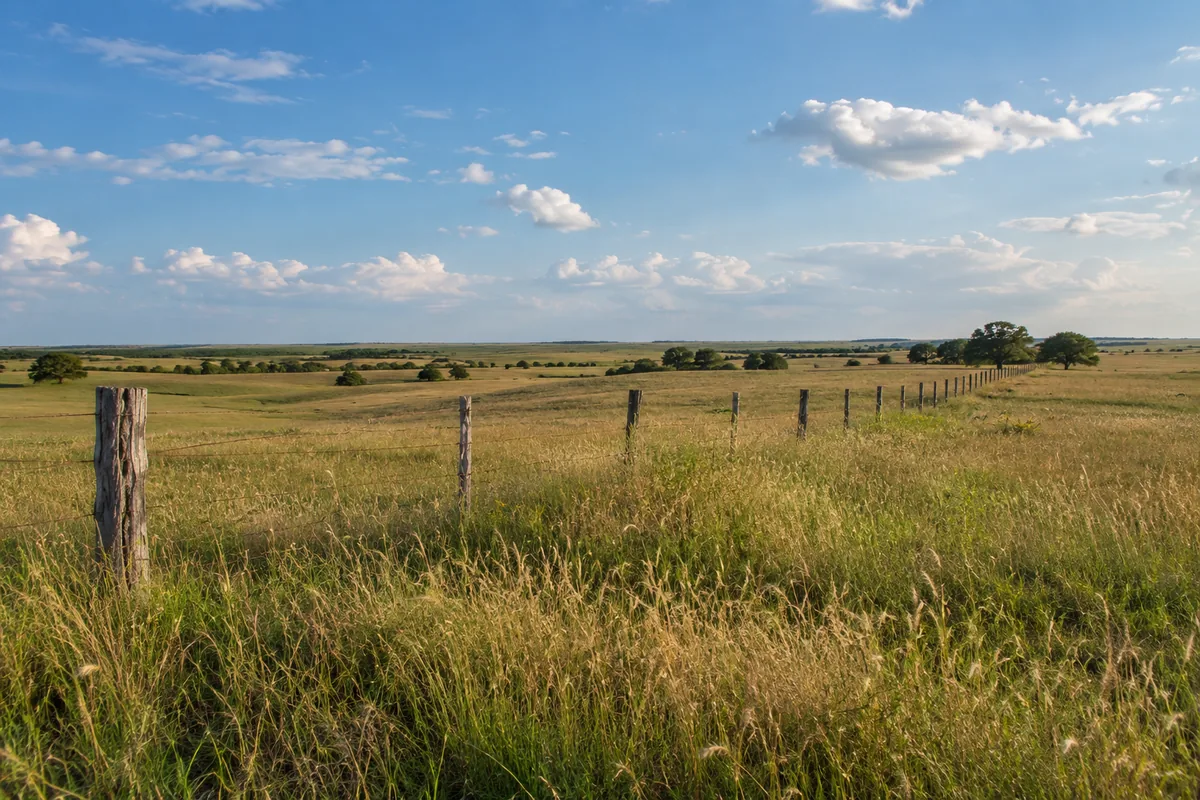
Take photos of the entrance, open ground, trees and any buildings. Describe the current condition. If a gate is locked, explain how a planned visit would work. Don’t send someone onto another owner’s land without permission.
Point out rough parts of the entrance, low spots that stay wet and known damage. Share any written right to cross a neighbor’s land. A road visible on a map doesn’t answer every question about using it.
If someone grazes animals, farms or stores equipment there, share the agreement. Say which fences, sheds and other items stay and which you plan to remove. Buyers need to understand what they are being offered.
Bring any well, septic or power papers you already have. A nearby power line doesn’t prove a connection is ready. Let buyers explain what checks their plans need. You don’t need to clear the field, rebuild fences or pay for a new survey just to begin asking about selling.
Ask a local land agent for recent completed sales with similar acres, entrance, ground and included items. Keep a small lot with services separate from a larger field. An asking price shows what an owner wants, not what a buyer paid.
Ask why each comparison fits. Check that several online ads aren’t repeating one property. A sale with a house or several pieces may be a poor match for your land.
Check the exact pieces included, price, deposit and closing date. Closing finishes the sale with signed papers and payment. Ask how long the buyer has to inspect the land and what allows cancellation or a price change.
Ask for a written cost breakdown. Find out who pays each fee and how a loan or unpaid taxes affect your payment. The highest offer price may not leave you the most money.
For a made-up example, $100,000 less $8,000 in seller costs leaves $92,000 before debts. A $97,000 offer with $2,000 in costs leaves $95,000. These figures explain the math, not Waller County land prices.
Use our offer worksheet to compare costs, buyer checks and timing side by side. Have unclear terms explained before signing.
Ask who handles closing, what they need from you and how you’ll receive the money. Review the final cost sheet before the appointment. If you live elsewhere, ask about signing options before booking travel.
Share missing papers, other owners and any loan early. If you’re handling inherited land or helping settle a loved one’s estate, bring the papers you have. A closing professional or attorney can help work out who needs to sign.
Our document checklist and Texas seller guide can help. If you’d like a direct offer to compare, tell Reelvest what you know about your land. You decide whether it fits.
The Clerk’s page lists online records from 1994 to the present. Ask the office how to find an older document and get a copy.
The Clerk says the office does not do lien searches. Ask the professional handling your closing about the ownership and claims review.
You can begin with its current condition. Share photos and known issues, then ask whether work would help the sale before spending money.
Local source links reviewed October 4, 2026.