
Start with the land’s location and any papers you have. Make a list of the pieces you want to sell, then compare prices and ways to find a buyer. You can use an agent, sell yourself or ask for a direct offer. You don’t need every paper to begin.
Tell us about your land. There’s no obligation to accept an offer.
Start with what you know. These steps will help you get ready and choose the way to sell that fits you.
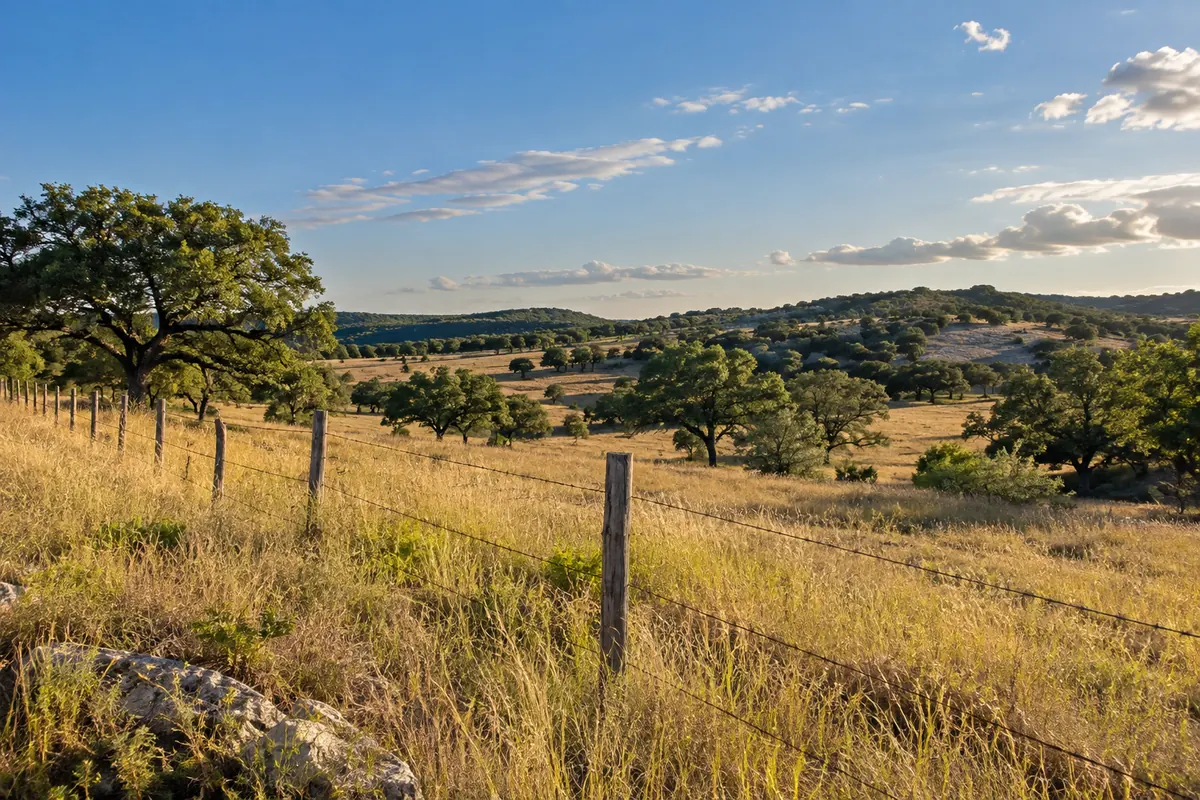
Find a recent tax bill, deed or old survey. Write down the acres if known, nearest road and parcel number. A parcel number is the county’s number for a piece of land. Empty land may not have a street address.
List each piece you want to sell. If you own two lots but want to keep one, say that from the start. Keep an old map with your notes and mark any boundary you are unsure about. You can begin without knowing every answer.
If you live out of state, start with papers you have at home. Note the road used, any buildings and who is using the land. The mailing address on a tax bill may be where an owner lives rather than where the land is.
Find a tax bill, deed or old survey. Keep the property ID, acres if known and nearest road together. The property ID is the number used in appraisal records. List every piece if you want to sell several lots or tracts.
Start with Kerr Central Appraisal District and its Property Search. The search offers Owner, Address, ID and Advanced tabs. Its tips suggest using just a street name for a difficult address, or a first or last name when a name search fails.
The search currently says 2026 values have been certified, meaning finalized for that tax record. That does not make the tax value a current buyer’s offer. Keep the record date and value year with your notes.
Check that the acres, buildings and location fit the land you own. A mailing address may be where the owner lives rather than where the property is. Call 830-895-5223 if an appraisal-record detail is missing or does not match.
The search says acreage and descriptions need checking before use in legal papers. A map helps explain the location, but it does not settle an uncertain boundary. Keep a survey if you have one and ask what needs checking if a line affects the sale.
Put your deed, latest tax bill, survey and loan details in one folder. Add a lease, road agreement or other papers about shared use. List the owners and which pieces you want to sell.
The Kerr County Clerk keeps land and other official public records. Its page links to AVA Official Public Records Search and a request form for copies of land records. Laredo is a separate subscription option; you can ask the office for help without starting a subscription.
The page has search tips for older deed volumes, deed index books and road-use papers. An index is a list that helps find a recorded paper. If you have a book and page, keep it ready. Ask the office how to search that record rather than assuming a missing online result means there is no deed.
Call 830-792-2255 about a missing copy. Have the names, approximate year and any deed number or book and page ready. Ask which copy you need, how to request it and what it costs before ordering or visiting.
The Clerk currently says the office has moved back to Suite 122 at 700 Main Street in Kerrville. Check the current page and call before a visit, since access to other parts of the courthouse remains limited.
A deed copy helps with research; it is not a full ownership or loan check. Ask the title company or attorney helping with closing to check loans, signatures and missing papers.
If you’re handling inherited land or helping settle a loved one’s estate, gather any estate papers you have. Ask who needs to sign and what is missing. You can work on prices and ways to sell while those questions are answered.
Use our land seller document checklist to mark what you have. Keep private family and loan papers out of a public listing.
A buyer needs to know where the land is, what comes with it and what still needs checking. A simple, honest description works better than big promises.
For Hill Country acreage, show more than the hilltop view. Explain the entrance and ground farther in. An easy gate does not mean every acre is level or easy to reach. Mark rocky slopes and areas you have not visited.
For a lot near Kerrville, Ingram or another community, keep the lot and block from your papers if listed. Say which utility connections are on the lot and which are only nearby. A nearby home does not prove the same water or building setup will work for your lot.
For river or creek land, distinguish shore you own, shared water access and a view. Keep any written access papers. If flooding or other damage has affected the land, gather current photos and any repair or inspection papers. Say what is known and what is still being checked.
Do not use an old photo to describe today’s road or entrance if conditions have changed. Arrange a safe visit with anyone who rents or uses the land. You can say “I haven’t checked that yet” instead of promising all-weather access.
You do not need to plan a buyer’s home before asking about a sale. Keep any survey, soil test, permit or utility paper you already have. Ask which local office or professional should check a buyer’s plan if it matters to an offer.
Look for recent completed sales of similar land. Compare the location, acres, way in and what each price included. A small home lot is a poor match for a large wooded tract even if both are in Kerr County.
For a neighborhood lot, compare similar lot sizes and street settings. Keep a sale with a house separate from vacant land. For a larger tract, compare similar woods, ground and access rather than only using the closest sale on a map.
If one deal included three parcels, keep it as one deal until you know what was sold. Do not divide the whole price by just one parcel’s acres. Ask a land agent or appraiser for help when the details are unclear.
An asking price is what someone hopes to get. A completed sale shows what a buyer paid. A tax value is a separate figure used for taxes. Keep those numbers apart. None of them is a promise about your sale price.
Our land value guide explains how to choose useful sales and avoid counting the same deal twice. Ask a local land agent or appraiser for help if good matches are hard to find.
Before spending money on clearing or a new drive, ask what buyers need for your kind of land. Some work may help, but spending more does not guarantee a higher price. Compare selling as it is with the time and cost of doing more work.
You have a few ways to sell:
Choose the approach that fits your time and goals. If you want a direct offer to compare, tell Reelvest about your land. Start with what you know. You decide whether an offer works for you.
For more statewide selling steps, see our Texas land seller guide.
Ask for the price and terms in writing. Check who pays closing costs, any agent fee, the planned date and what lets a buyer cancel or ask for a lower price. Ask how a loan or unpaid taxes would be handled.
A tax value is not the amount you owe. Have the closing professional confirm balances and explain what would come out of your payment. Keep the account and tax year with a bill or notice so the right balance gets checked.
If your papers show a special tax appraisal for agricultural or timber use, flag it before signing. Ask CAD and the closing professional whether your situation could affect taxes or costs. Do not assume the tax value tells you what a buyer will pay.
Here’s a made-up example: a $45,000 offer minus $3,000 in seller costs leaves $42,000 before a loan or unpaid tax balance. Those numbers are not an estimate for your land. They show why the highest offer is not always the most money kept.
Use our offer comparison worksheet to keep terms side by side. Ask about anything unclear before signing.
Ask who will handle closing and what they still need. The closing professional checks records, prepares the papers and explains payment. Missing documents or signatures can affect the date.
Make sure the agreement covers the land and included items you mean to sell. Ask about a term you do not understand before signing. Request a written estimate of what you will receive and how payment will reach you.
Keep copies of the signed papers. Confirm the next steps for keys, access or other items being handed over. You do not need every answer at the start, but important questions should be settled before you finish the sale.
No. Start with the location, nearest road, acres if known and papers you have. List what is missing. You can research prices and ways to sell while getting help with records.
Start with Kerr Central Appraisal District and its Property Search link. Use the property ID from your papers if empty land has no street address.
No. Tax value is different from a current offer, completed sale price or unpaid balance. Keep the record date and value year with your notes.
Call the Kerr County Clerk at 830-792-2255. Have the names, approximate year and any deed number or book and page ready. Ask about the copy, cost and request method.
The Kerr Clerk posts AVA tips for older volumes and deed index books. Keep your record numbers ready and ask the office which search fits the paper you need.
No. Keep a survey or written road agreement if you have one. A map helps explain location but does not settle an uncertain line or a right to cross another property.
Gather the deed and any estate or ownership papers you have. Ask the closing professional who needs to sign and what is missing. You can work on prices while those questions are answered.
No. These steps can help you use an agent, find your own buyer or compare a direct offer. If you want a Reelvest offer to compare, tell us about your land. You decide whether it fits your plans.
Local source links reviewed October 7, 2026.