
Start with the pieces you want to sell, the owners on the deed and how the land is reached. Gather the papers you have, compare similar sales and choose how to find a buyer. You can ask about selling while missing records or other questions are being worked out.
Tell us about your land. There’s no obligation to accept an offer.
Start with what you know. These steps will help you get ready and choose the way to sell that fits you.
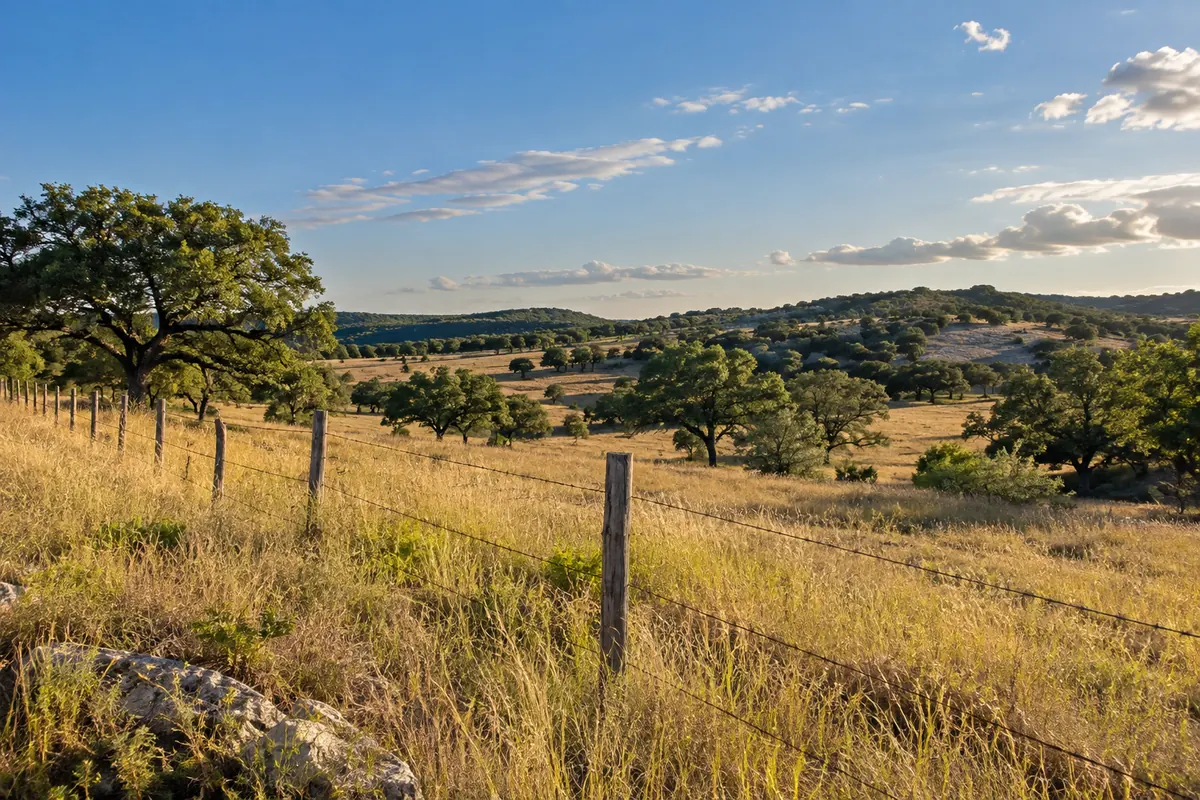
Look for a recent tax bill, deed and any old survey. Write down the property number, acres and road name. If several pieces are involved, make a list. A map pin and directions can help when empty land has no street address.
The Texas Comptroller’s Colorado County directory identifies the local appraisal district and its website. Start with that district for questions about your property tax record. The tax value isn’t a guaranteed selling price.
The Colorado County Clerk’s page links to Records Public Access for searches and record requests. Ask about a copy of your recorded deed if it’s missing. Have the owner’s name and any old document reference handy.
The Clerk says staff don’t conduct searches unless authorized by law. For help checking the ownership history, ask an attorney or closing professional. You can begin with the papers you have.
Describe the road entrance and gates. If you reach the land across another owner’s property, share any written right to use that route. Don’t assume a visible track proves that right.
Tell buyers about pasture, crops, woods and low wet areas. Share any grazing, farming, hunting or tree-cutting agreement you have. If someone else uses the land, discuss how that use would fit the sale before setting a closing date.
Write down which buildings, fences, equipment or stored items are included. If something will be removed, say so. For several pieces sold together, be clear about the full package.
Share any papers you have about a well, services, water use or mineral interests. Don’t guess what rights you own or promise what passes with the land. Let the buyer and closing professional explain the checks needed.
Take a few photos of the entrance and ground. You don’t have to clear trees, drill a well or replace every fence before asking about selling. Ask whether the work would help your sale before paying for it.
Ask a local land agent for recent completed sales a buyer would compare with yours. Match acres, entrance, open ground, current use and included buildings. Keep small lots separate from larger tracts and house sales separate from vacant land.
An ad shows what a seller wants; a completed sale shows what a buyer paid. Ask why each comparison is useful rather than relying on one countywide price per acre.
Choose the path that fits your time and the work you want to do. Asking for an offer doesn’t mean you have to accept it.
Check that the offer includes the right land, buildings and agreed items. Read the price, deposit, buyer’s inspection time and proposed closing date. Ask what permits cancellation or a change in price.
Ask who pays each cost and what comes out of your payment. A loan balance, unpaid taxes or seller costs may reduce the money you keep. Get an estimate before deciding.
Here’s a made-up comparison: $120,000 less $9,000 in seller costs leaves $111,000 before other debts. A $116,000 offer with $2,000 in seller costs leaves $114,000. Compare the money you keep along with the terms.
Use our land offer worksheet. These figures explain the math, not a local land value. Have unclear terms explained before signing.
Closing is when the final papers are signed and the money is paid. Ask who will handle it, what they need and how you’ll receive payment. Read the final cost breakdown and check the property list.
Tell the closing professional about other owners, a loan or missing papers early. If you’re handling inherited land or helping settle a loved one’s estate, bring the deed and estate papers you already have. An attorney or closing professional can help work out who needs to sign.
See our seller document checklist and Texas seller guide. If you’d like a direct offer to compare, tell Reelvest what you know about your land. You stay in charge of the decision.
The County Clerk’s official page links to Records Public Access for searches and requests. Ask about the recorded deed you need and share any old document reference.
Use it as background. Ask a local land agent for recent completed sales that match the size, entrance, use and included buildings.
Share any agreement and explain the current use. Ask the buyer and closing professional how it would fit the sale before setting a closing date.
You can begin with what you know and share any papers you have. Don’t promise rights you haven’t confirmed; ask the buyer and closing professional what needs checking.
Local source links reviewed October 4, 2026.