
Start with the land’s location and any papers you have. Make a list of the pieces you want to sell, then compare prices and ways to find a buyer. You can use an agent, sell yourself or ask for a direct offer. You don’t need every paper to begin.
Tell us about your land. There’s no obligation to accept an offer.
Start with what you know. These steps will help you get ready and choose the way to sell that fits you.
Find a recent tax bill, deed or old survey. Write down the acres if known, nearest road and parcel number. A parcel number is the county’s number for a piece of land. Empty land may not have a street address.
List each piece you want to sell. If you own two lots but want to keep one, say that from the start. Keep an old map with your notes and mark any boundary you are unsure about. You can begin without knowing every answer.
If you live out of state, start with papers you have at home. Note the road used, any buildings and who is using the land. The mailing address on a tax bill may be where an owner lives rather than where the land is.
Find a recent tax bill or deed. Keep the land number, acres if known and nearest road together. If you have several pieces, make a separate note for each one you want to sell.
The Collin Central Appraisal District links to its property search. It offers Owner, Address, ID and Advanced search options. The site suggests trying just the street name if an address is hard to find.
Check the location and acres before using a result. Your mailing address may be where you live, rather than where the land is. Empty land may not have a street address.
For help with the appraisal record, call 469-742-9200. The district lists 250 Eldorado Parkway in McKinney. Explain which piece you mean and what does not match.
The search site says its acreage and legal descriptions need to be checked before use in legal papers. A legal description is the written description used to identify land. Keep your deed and survey with the search result, and ask the closing team about a mismatch.
A tax value is not an offer or a final sale price. Use the record to help find the right land. It does not by itself settle a boundary or prove a right to cross another property.
Put your deed, survey, recent tax bills and any loan details together. Add a lease or written road agreement. A survey is a measured drawing of the boundaries. You can start comparing selling choices even if a paper is missing.
For a deed copy, use the Collin County Clerk’s land records page. It links to deed search and an online records request. Ask which copy you need and what it costs before ordering.
The county’s deed-copy FAQ lists 2300 Bloomdale Road, Suite 2106, in McKinney. For questions about getting a copy or visiting, call 972-548-4185.
The Clerk says it does not search ownership or liens over the phone. A lien is a claim tied to an unpaid debt. Don’t expect a phone call alone to check whether the land is ready for sale.
The county also says some information is removed from online records and the database may not show the complete official document. If an online view is missing something you need, ask the Clerk about a complete copy.
A deed copy is not a full ownership or loan check. Let the title company or real estate attorney handling closing explain what else they need.
If you’re handling inherited land or helping settle a loved one’s estate, gather the papers you have. Ask who needs to sign and what is missing. There’s no need to share private family papers in a public ad.
Our land seller document checklist can help you mark what you have.
Think about what you would want to know before visiting the land. Make a short list of what is there today. Put a question beside anything you haven’t checked.
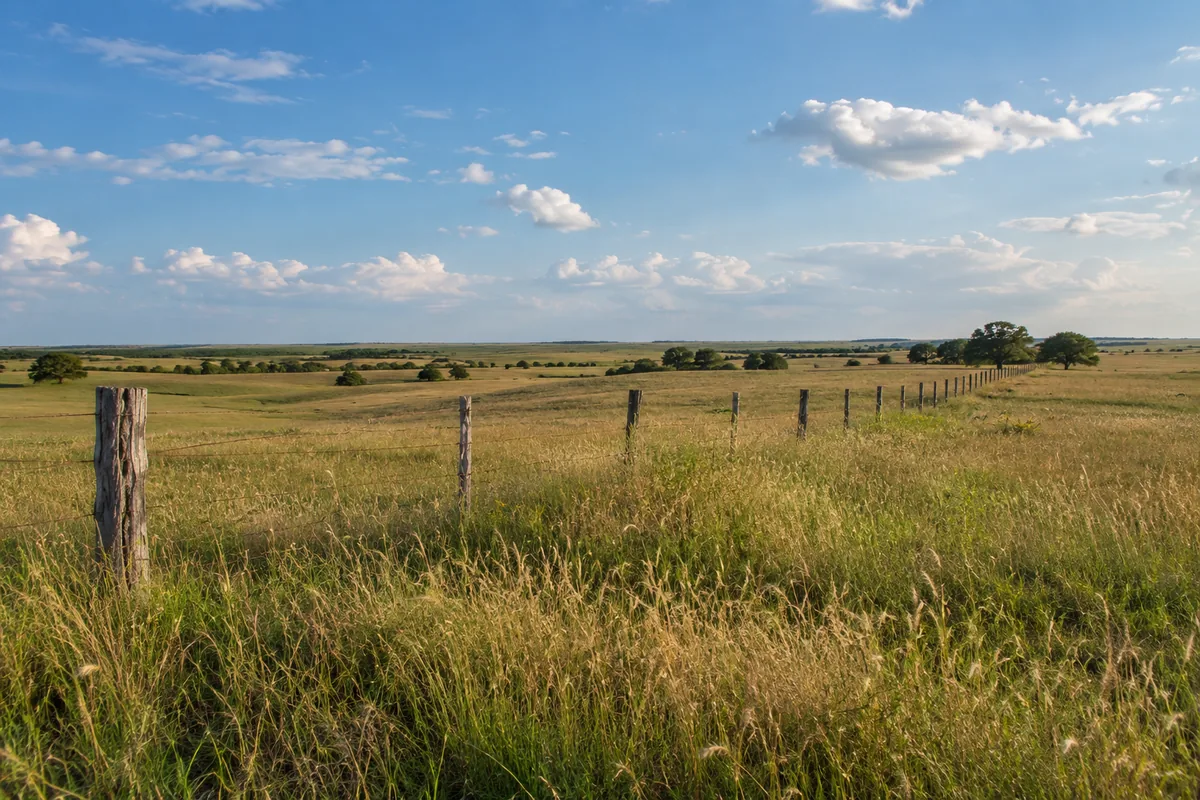
For open acreage, explain which fences are included and whether someone uses the ground. Keep any farm or grazing lease. Ask how it will be handled before promising when a buyer can take over.
For a small lot, keep the lot number and any subdivision papers you have. If you have written rules or utility papers, share them. Nearby houses are not proof that your lot has the same rights or connections.
If a barn or other building goes with the land, say what you know about its condition. Keep any repair notes you have. A sale that includes buildings needs different price matches from one for empty ground.
Show the entrance and the ground with current photos if you can visit safely. If you live far away, start with papers and older photos. Say when you last saw the land.
You don’t need to plan a buyer’s home before asking about selling. Share any survey or test papers you have. If an offer depends on building or dividing the land, ask what the buyer must check and when.
Ask a local land agent or appraiser for recent completed sales similar to yours. Ask how the final prices were checked and what the help costs. A listing’s asking price is not the price a buyer paid.
Compare a small lot with similar lots and larger acreage with similar acreage. Look at size, access, ground, connections and included buildings. A sale with a home may be a poor match for empty land.
Keep the full price, acres, date and land numbers together. Several lots sold in one deal do not prove separate prices for each lot. Don’t count the same land again because it appears under a different address.
If a price can’t be checked, leave it out of firm price math. A tax value or a listing that disappears is not proof of a completed sale.
You don’t need a perfect countywide price list. Ask for a range supported by useful matches and clear differences. That gives you a better starting point for offer talks.
Our land value guide explains a simple way to compare.
You have a few ways to sell:
Choose the approach that fits your time and goals. If you want a direct offer to compare, tell Reelvest about your land. Start with what you know. You decide whether an offer works for you.
For more statewide selling steps, see our Texas land seller guide.
Ask for the price and terms in writing. Check who pays closing costs, any agent fee, the planned date and what lets a buyer cancel or ask for a lower price. Ask how a loan or unpaid balance would be handled.
Have the closing professional confirm balances and explain what would come out of your payment. Keep any tax bill or notice with its account and year so the right amount gets checked. A tax value is different from the money you owe.
Here’s a made-up example: a $45,000 offer minus $3,000 in seller costs leaves $42,000 before a loan or unpaid balance. Those numbers are not an estimate for your land. They show why the highest offer is not always the most money kept.
Use our offer comparison worksheet to keep terms side by side. Ask about anything unclear before signing.
Ask who will handle closing and what they still need. The closing professional checks records, prepares the papers and explains payment. Missing documents or signatures can affect the date.
Make sure the agreement covers the land and included items you mean to sell. Ask about a term you do not understand before signing. Request a written estimate of what you will receive and how payment will reach you.
Keep copies of the signed papers. Confirm the next steps for keys, access or other items being handed over. You do not need every answer at the start, but important questions should be settled before you finish the sale.
No. Start with the location, acres if known and papers you have. You can compare selling choices while getting help with missing records.
Use the Collin Central Appraisal District property search. It has Owner, Address, ID and Advanced options. Check that the location and acres match the piece you mean.
Call the Appraisal District at 469-742-9200. Have your tax bill or deed ready and explain what does not match.
Start with the County Clerk’s land records page. It links to deed search and copy requests. Ask which copy you need and what it costs.
The county says it does not do those searches over the phone. Ask a title company or real estate attorney to help with unclear ownership or debt claims.
No. The county warns that some online information is removed and the database may not show the complete official record. Ask about a complete copy if something you need is missing.
Gather the papers you have. Ask the closing team who needs to sign and what is missing. You can compare selling choices while getting help.
No. Use the steps with an agent, your own buyer or a direct offer. If you want a Reelvest offer to compare, tell us about your land.
Local source links reviewed October 7, 2026.