
Start with the location, acres and papers you have. Describe the land as it is, compare prices and choose how to find a buyer. Then read the offer terms before signing. You can begin without every answer; these steps will help you get ready.
Tell us about your land. There’s no obligation to accept an offer.
Start with what you know. These steps will help you get ready and choose the way to sell that fits you.
Find a recent tax bill. Write down the property number, acres and closest road. Check whether you own one tract or several. If empty land has no street address, use a map pin and the nearest road rather than guessing an address.
The Chambers County Appraisal District search accepts an owner name, owner ID, property ID or address. Try the number on your tax bill first. Save the matching record and compare it with your deed.
A property record can help identify the tract. It is not a cash offer. A tax map helps show the location but does not settle a boundary question. Keep any old survey you have.
Keep the deed, tax bill and survey together. Add shared-road papers, loan notices and agreements about farm use or other rights. If a record is missing, begin with what you have.
The County Clerk Records page has a separate Deed Records link for searching, viewing and purchasing deed records. Use that route for land documents rather than the case-record search.
For help with a copy, contact the Chambers County Clerk at 409-267-2418. Have the owner name and any document reference ready. Ask which copy you need and what it costs before paying.
If you're handling inherited land or helping settle a loved one's estate, gather the papers you have. Ask the closing team who needs to sign before promising a firm date.
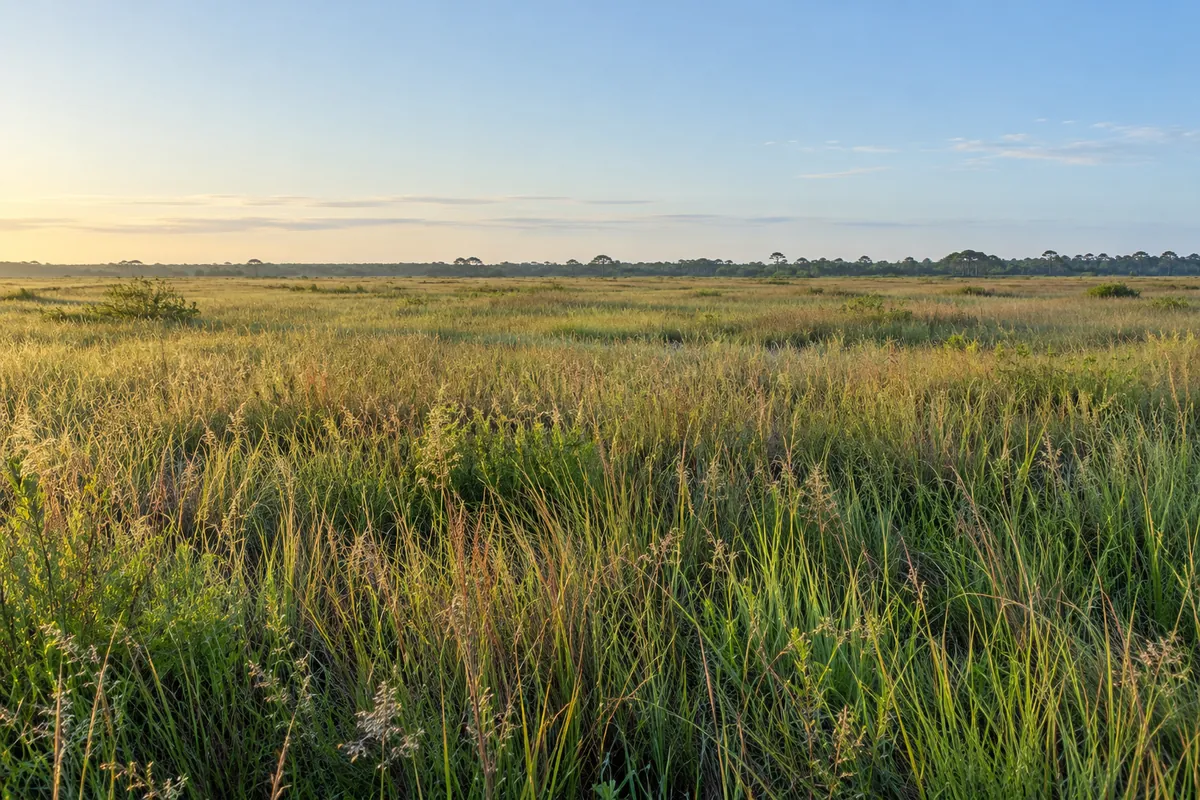
Take clear photos of the entrance and main features. Write a plain description, such as: “The front is open. There is a tree line at the back, and we reach it from a gravel lane.”
Do not promise a use or right you have not checked. You do not need to plan a buyer's house or divide the land to start a selling conversation. Let buyers explain their checks and the time they need.
Look for completed sales of land like yours. Compare acres, setting, access and ground. A small roadside lot and a large field can have different buyers. Separate land-only sales from prices that include a house.
Ask an agent why each sale fits. Save the date, property number and source. Count the same sale once even if several websites show it. If several parcels sold together, check the full land included.
An asking price tells you what an owner wants, not what a buyer paid. Your tax figure is not an offer. Our land value guide can help with useful comparisons.
An agent can advertise, arrange showings and help with offers. Ask about fees and experience with land like yours.
Selling yourself means handling the listing, calls and buyer questions. Our guide to selling land yourself explains the work involved.
A direct buyer is another choice. Ask for price and terms in writing. If you want a Reelvest offer to compare, tell us about the land. You choose whether it works for you.
Start with the land as it is. Before clearing or building an entrance, compare the cost with the likely benefit. You do not have to order a new survey just to ask about selling.
Check that the offer describes the right tract. Read the price, dates and who pays costs. Ask whether a loan is needed, which checks the buyer wants and what could change or stop the offer.
Ask for an estimate of the money you keep after agreed costs and amounts still owed. Share tax or loan notices early. Get unclear terms explained before signing and keep answers in writing.
The closing team checks the papers and prepares the sale. Ask who needs to sign, what to bring and how payment will work. If other people own the land with you, discuss the offer together.
The County Clerk records documents; its page explains that it cannot tell you their legal effect. Let the title company or attorney handling the closing explain questions about your sale papers.
Confirm the closing office's contact and payment steps directly with that office. Read the final statement and ask about costs you do not recognize before signing.
Yes. Begin with the location and papers you have. Use the Appraisal District search for the property record and ask the County Clerk about a deed copy.
Use the Deed Records link on the County Clerk Records page. The case-record search serves a different purpose.
You can start with it as it is. Compare the cost and likely benefit before paying for work.
The Clerk records documents and says it cannot explain their legal effect. Ask the title company or attorney handling your closing.
Local source links reviewed October 5, 2026.